Memorandum
- From
- Derek Weston via FOX News
- Date
- Filed
- News·5 min to read
- Re
Media Insider's Admission Highlights Reasons for Public Distrust in Journalism
ReMedia Insider's Admission Highlights Reasons for Public Distrust in Journalism
A sports-media columnist from The Athletic revealed he withheld news about ESPN parting ways with NFL analyst Ryan Clark for months, only publishing when competition forced his hand. The episode illustrates how access journalism can erode public trust in the press.
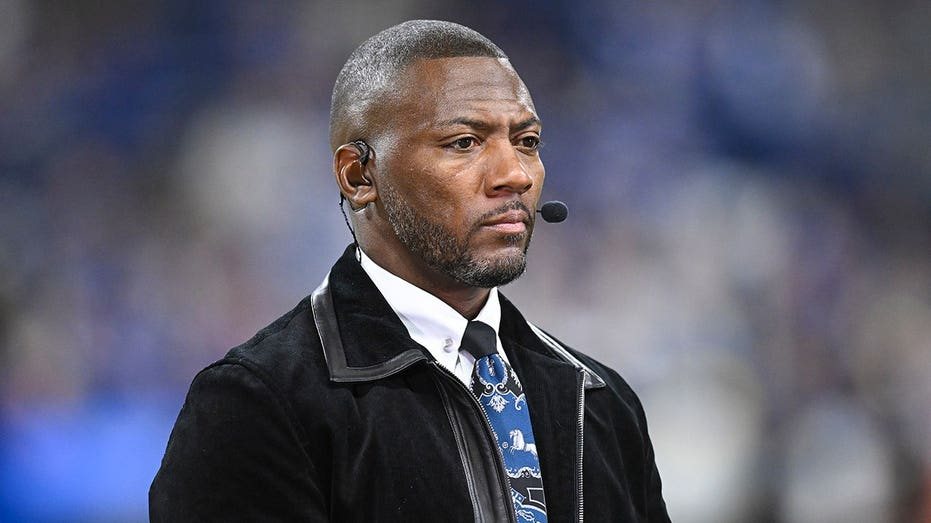
Andrew Marchand, a sports-media columnist for The Athletic, recently offered his colleagues a professional tip: «Write what you know, not what you think.» He was critiquing what he considered inaccurate online speculation about ESPN’s decision to part ways with NFL analyst Ryan Clark. But in explaining his own reporting process, Marchand inadvertently highlighted a practice that many Americans find troubling about the news industry.
Marchand revealed on his podcast that he had anticipated Clark’s departure since February and even had a story prepared at that time. He claimed to have received a strong indication roughly a week before ESPN let Clark go. Yet he did not publish the information. Why? «Like others, you want to allow ESPN to tell him first,» Marchand explained. He said he only reported the story when it became «competitive» — meaning when another outlet was about to break it.
This sequence of events, as Marchand described it, offers a clear example of what critics call access journalism. The practice involves reporters withholding information to maintain good relationships with powerful institutions, then publishing only when forced by competition. The result is that the public receives news on the timetable of the institution involved, not on the basis of public interest.
Legendary sports radio host Dan Patrick recently raised a similar concern regarding ESPN’s Adam Schefter. After the San Francisco 49ers disclosed that head coach Kyle Shanahan had been seriously injured in a car accident 11 days earlier, Schefter posted the news one minute later. Patrick wondered whether ESPN and Schefter already knew but waited for the 49ers to authorize release. «This isn’t journalism. Not really reporting,» Patrick said. «They’re giving you the information» and then effectively saying, «Okay, now you can tell everybody.»
In the Clark case, Marchand’s own account shows that his initial report was rushed and incomplete. He had claimed to have a story ready since February, yet his published article consisted of only two short paragraphs and contained a typo. According to Marchand, ESPN had been trying to keep the decision «close to the vest.» Another outlet called ESPN and informed the network of its intention to publish the news. That inquiry, Marchand said, forced ESPN to accelerate its timetable and inform Clark immediately.
Marchand did not identify the other outlet, but it was a competing sports news organization. Once Clark had been told, Marchand rushed out his two-paragraph report and later noted that he had «reported it first,» while the other outlet published «a little bit after.»
The episode raises a fundamental question about the modern insider economy in journalism: What value does privately knowing something provide to the public if the institution involved decides when the public may learn it? Critics argue that such practices blur the line between journalism and public relations. Reporters who sit on news to protect access to sources end up serving the interests of the powerful rather than the audience.
This dynamic is a significant factor in why trust in the media has declined in recent years. Surveys consistently show that many Americans believe journalists are more concerned with maintaining access to elites than with informing the public. The Marchand-Clark incident, with its clear timeline of withheld information and last-minute publication, serves as a concrete illustration of that concern.
There is nothing inherently wrong with giving a company a brief opportunity to notify an employee before he learns about his dismissal online. Reporters should consider the human consequences of publication. But when the decision to publish is driven by competition rather than public interest, and when information is held for months solely to accommodate an institution’s timetable, the public is left to wonder whom the journalist is really serving.
96