Memorandum
- From
- Caroline Mercer
- Date
- Filed
- News·6 min to read
- Re
Iran War Live: Fighting Intensifies With Strikes on Critical Infrastructure
ReIran War Live: Fighting Intensifies With Strikes on Critical Infrastructure
The conflict between the United States and Iran has escalated sharply, with a seventh consecutive night of strikes targeting critical infrastructure. Pro-government rallies in Tehran and rising casualties mark a deepening crisis.
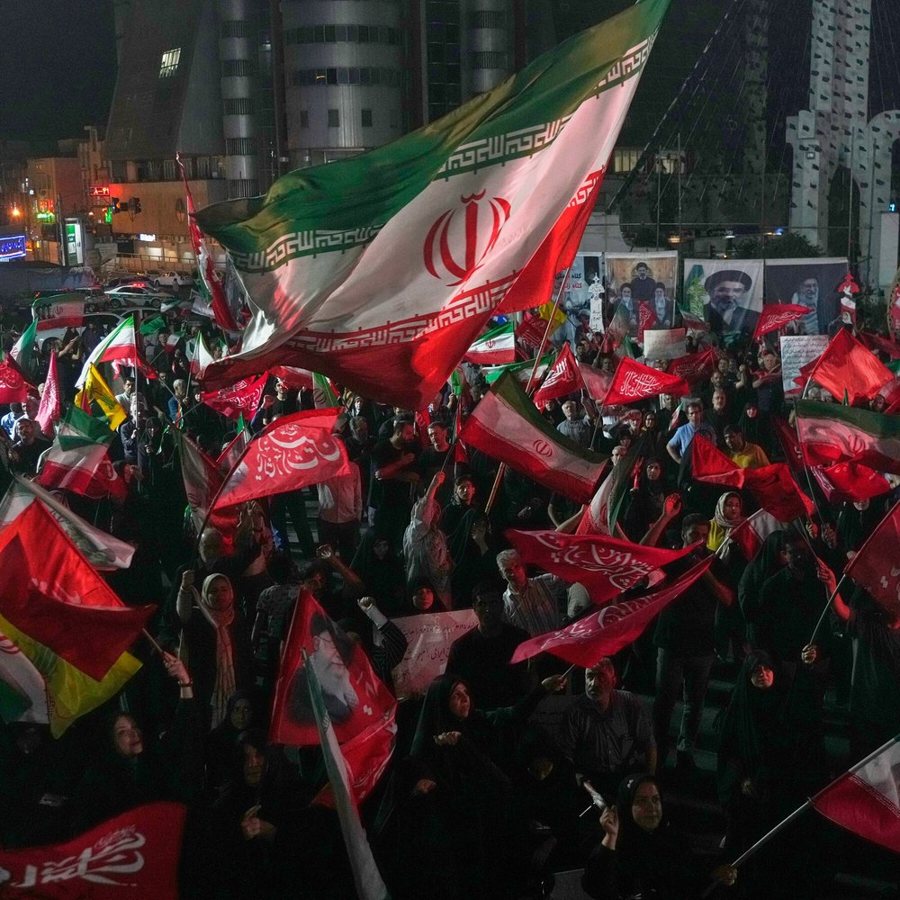
The conflict between the United States and Iran has entered a new and more dangerous phase, with a seventh consecutive night of American airstrikes targeting critical infrastructure across the Islamic Republic. The escalation, which began earlier this month, has drawn international concern as both sides show no signs of de-escalation. According to reports from Al Jazeera, at least 50 people have been killed and more than 500 wounded in U.S. attacks during July, with the latest wave of strikes focusing on military and economic assets.
On Friday, pro-government demonstrators gathered at a central square in Tehran, waving Iranian flags and chanting slogans in support of the regime. The rally, which appeared to be state-organized, was intended to project national unity amid the intensifying military campaign. State television broadcast live footage of the crowd, which included families and uniformed personnel, as speakers denounced American aggression and called for resistance. The demonstration underscored the regime's effort to maintain domestic morale even as the country faces mounting pressure from the ongoing strikes.
The U.S. military has described the operations as a response to Iranian provocations, including attacks on commercial shipping in the Strait of Hormuz and support for proxy forces in the region. Fox News reported that the latest strikes targeted air defense systems, missile batteries, and command-and-control centers, as well as oil infrastructure linked to the Iranian Revolutionary Guard Corps. The Pentagon has stated that the goal is to degrade Iran's ability to threaten its neighbors and disrupt global energy supplies, though critics warn that the campaign risks a broader regional war.
The human toll of the conflict has been severe. Medical sources in Iran have reported overwhelmed hospitals in several provinces, with casualties including both military personnel and civilians. The International Committee of the Red Cross has called for restraint and urged all parties to respect international humanitarian law. Meanwhile, the United Nations Security Council held an emergency session on Friday, but failed to reach consensus on a resolution calling for a ceasefire, as Russia and China blocked the measure, citing U.S. unilateralism.
The economic impact of the strikes has been immediate. Global oil prices surged past $120 per barrel on Friday, as traders priced in the risk of a prolonged disruption to shipments through the Strait of Hormuz, a chokepoint for about 20% of the world's petroleum. Several major shipping companies have suspended operations in the Persian Gulf, and insurance premiums for vessels transiting the region have skyrocketed. The Biden administration has announced it will release additional barrels from the Strategic Petroleum Reserve to stabilize markets, but analysts say the move may only provide temporary relief.
Diplomatic efforts to halt the fighting have so far failed. Oman and Qatar have offered to mediate, but both Washington and Tehran have set conditions that the other side rejects. Iran has demanded an immediate halt to all strikes and the lifting of economic sanctions before any negotiations, while the United States insists that Iran must first cease its nuclear enrichment activities and end support for armed groups in Yemen, Syria, and Iraq. The stalemate has raised fears of a protracted conflict that could draw in other regional powers.
On the ground, the situation remains fluid. Iranian air defenses have been active, and there are unconfirmed reports of retaliatory missile launches against U.S. bases in Iraq and the United Arab Emirates. The U.S. military has deployed additional Patriot missile batteries and fighter squadrons to the region, while the aircraft carrier USS Dwight D. Eisenhower remains on station in the Arabian Sea. The Pentagon has not ruled out further strikes, and President Trump has warned that the campaign will continue until Iran changes its behavior.
The crisis has also sparked debate within the United States. Some lawmakers have called for a formal authorization of military force, arguing that the current operations lack congressional approval. Others have defended the strikes as necessary to protect American interests and allies. The White House has maintained that the actions are justified under the president's constitutional authority as commander in chief, and has pointed to intelligence showing Iranian plans to attack U.S. forces in the region.
As the conflict enters its second week, the human and strategic stakes continue to rise. The demonstrations in Tehran, the mounting casualty figures, and the disruption to global energy markets all point to a crisis that shows no signs of abating. With diplomatic channels largely closed and both sides dug in, the immediate outlook is for more fighting, not less.
127