
Memorandum
- From
- Derek Weston via FOX News
- Date
- Filed
- News·6 min to read
- Re
Graham Platner Exits Maine Senate Race After Scrutiny of Media Coverage
ReGraham Platner Exits Maine Senate Race After Scrutiny of Media Coverage
Graham Platner, a Democratic candidate for U.S. Senate in Maine, withdrew from the race following multiple scandals, including a rape allegation, prompting renewed scrutiny of the favorable media coverage he had received from outlets like The Guardian, The New Yorker, and The Washington Post.
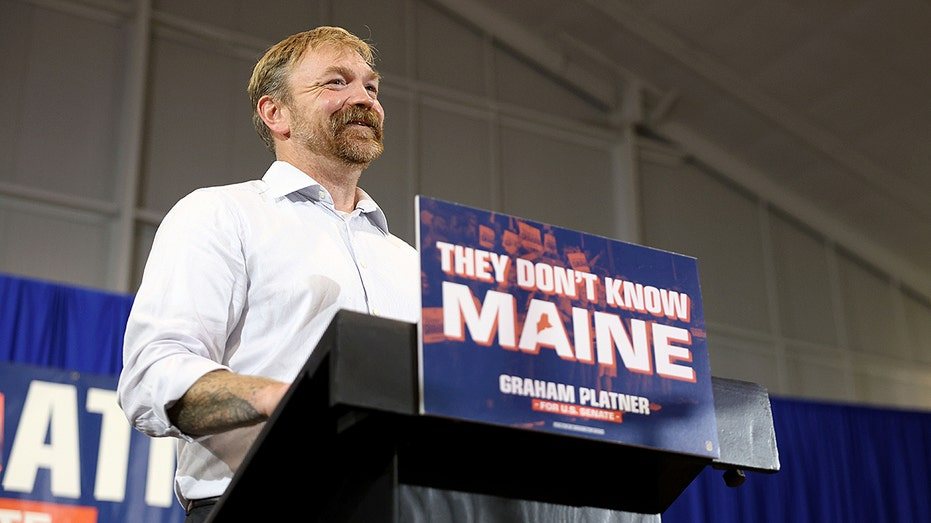
Graham Platner, the Democratic hopeful who sought to unseat longtime Republican Senator Susan Collins in Maine, has exited the race after a series of scandals, including a rape allegation from a former girlfriend that he has denied. His dramatic departure has prompted a closer look at the glowing media coverage he received from major outlets, which had portrayed him as a rugged, working-class candidate capable of winning back male voters and challenging the political establishment.
The Guardian was among the first to profile Platner, publishing a story last August headlined, «This Maine oysterman thinks Democrats are doing ‘jack’ about fascism. So he’s running for US Senate.» The article described him as a veteran, oysterman, and competitive shooter who spends weekends at the local gunnery, emphasizing his outsider appeal and his critique of the Democratic Party as more focused on fundraising than helping people. The profile framed Platner as a candidate who could appeal to working-class Americans and counter the rise of MAGA politics.
The New Yorker followed with a profile that praised Platner's campaign launch video, calling it a «rugged and likable working-class Democratic candidate» portrayal that could have been the opener for a reality-TV show titled «Oyster Man.» The piece highlighted his support from both sides of the aisle, including several Donald Trump supporters who said they would vote for him despite his left-wing platform. The author, Lisa Wood Shapiro, noted her personal familiarity with Platner, writing, «I’ve had Platner’s number for years, and have picked up oyster orders from his boat. I’ve seen him shuck oysters at parties, fund-raisers... Soon, my friends were discussing over gin-and-tonics how they always knew he would be famous.»
The Washington Post featured Platner in a September report titled «Meet the Rugged Guys of the 2026 Midterms,» which described him and other Democratic hopefuls as scruffy, solidly built, middle-aged White military veterans who work with their hands and look more comfortable in plaid flannel than pinstripe suits. The article suggested that these candidates were banking on antiestablishment populism to work in their favor, similar to the approach embraced by Republicans during the Trump era.
GQ published a profile in October titled «Marine Turned Oysterman Graham Platner Is Ready to Fight Trump. Will MAGA Men Join Him?» Journalist Ross Barkan described Platner as «the virile, earthy working man many male politicians wish they were, with the committed lefty beliefs many voters are now demanding.» Barkan highlighted Platner's «friendly growl» and his appeal to progressive Democrats seeking to win back male voters, noting that Trump voters could potentially return to the Democratic coalition.
Liberal New York Times columnist Michelle Goldberg wrote multiple pieces praising Platner's candidacy, even as controversies emerged, including a Nazi tattoo and offensive Reddit posts. In an October column, Goldberg said Platner was «nothing like the edgelord caricature I encountered online» after meeting him in Maine, and she described him as «largely convincing» about his claim that he did not know his skull and crossbones tattoo was the Totenkopf symbol. She wrote, «Onstage, Platner is magnetic. Like Obama, he seems to promise a politics that is fundamentally progressive while going beyond debased partisan sniping.» In a separate piece published in April, Goldberg recalled the energy at his events, comparing it to the excitement of Barack Obama's 2008 presidential bid.
However, the favorable coverage has come under scrutiny following Platner's exit. Critics argue that the media's focus on his persona and outsider narrative may have overshadowed warning signs, including his past controversies. The rape allegation, which Platner has denied, ultimately derailed his campaign, leading to his withdrawal. Goldberg later expressed regret for her earlier praise, stating she «deeply» regretted her columns after the allegation emerged.
Platner's case has reignited debates about media responsibility in vetting political candidates, particularly those who present themselves as antiestablishment figures. The coverage he received from outlets like The Guardian, The New Yorker, The Washington Post, GQ, and The New York Times painted a picture of a charismatic, working-class Democrat who could bridge political divides. Yet, as the scandals mounted, the same outlets that once championed him have faced questions about whether they adequately scrutinized his background.
The Maine Senate race continues without Platner, with Senator Susan Collins seeking reelection. The Democratic primary field has narrowed, and the party is now looking for a candidate who can mount a credible challenge to Collins, who has held the seat since 1997. Platner's rapid rise and fall serve as a cautionary tale about the power of media narratives and the risks of embracing candidates based on their appeal rather than their record.
121