Memorandum
- From
- Delaney Sawyer via RawStory - World News
- Date
- Filed
- News·5 min to read
- Re
FBI Ordered Not to Investigate Confrontations With ICE Agents, Report Says
ReFBI Ordered Not to Investigate Confrontations With ICE Agents, Report Says
A New York Times report reveals a new FBI directive instructing agents not to investigate confrontations with immigration officers, sparking criticism and concerns over accountability.
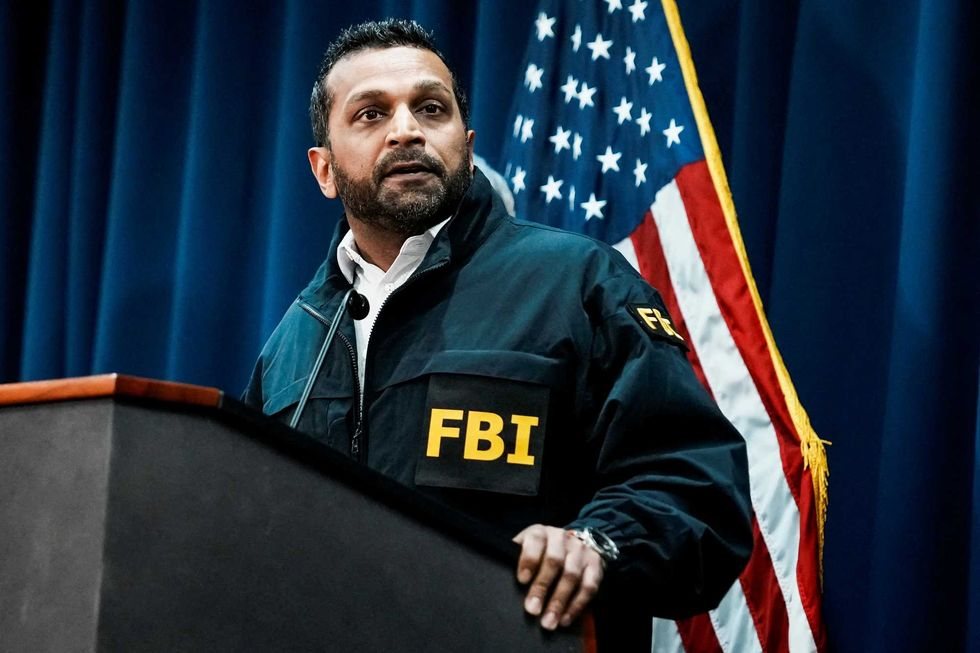
The New York Times reported Sunday that the FBI has issued a directive instructing its agents across the United States not to investigate confrontations involving Immigration and Customs Enforcement (ICE) personnel, a move that critics say undermines law enforcement oversight and accountability. According to sources cited by Times reporters Hamed Aleaziz and Devlin Barrett, FBI managers received written notice of the change on Thursday, and some ICE agents were informed by their FBI counterparts the same day. The directive arrives amid mounting public scrutiny over the Trump administration's immigration enforcement policies and recent fatal shootings by ICE agents.
The policy shift would sharply limit federal scrutiny of immigration agents, the Times noted, as protests have erupted in multiple states including North Carolina, Oregon, Utah, Arizona, Texas, and Maine. In Maine, demonstrators held signs reading «a man was lynched here» following the fatal shooting of Joan Sebastian Guerrero by ICE agent David Brouillette in Biddeford. Another fatal incident involved the shooting of Lorenzo Salgado Araujo in Houston. These cases have intensified calls for transparency and accountability in federal immigration enforcement operations.
The Justice Department and the Department of Homeland Security issued a joint statement denying any policy change, asserting that «the relationship between D.H.S. and D.O.J. in investigating assault on federal officer cases has not changed.» The statement added that «anyone who assaults law enforcement will be prosecuted to the fullest extent of the law.» However, the denial did little to quell the wave of criticism that followed the Times report. Aaron Reichlin-Melnick, senior fellow at the American Immigration Council, described the directive as a situation where «the fox is guarding the henhouse,» noting that ICE's Homeland Security Investigations unit lacks jurisdiction to probe civil rights violations.
Jim Roberts, editor of the nonprofit news site The 74, called the administration «utterly lawless» in response to the report. Conservative commentator Andrew Alvarez, a self-described MAGA supporter, offered a contrasting view, writing that the move would «finally get the feds out of the way so ICE can do their job without constant harassment.» The directive has deepened partisan divisions over immigration enforcement and the role of federal law enforcement agencies.
Further complicating the narrative, records show that ICE agent David Brouillette, who fatally shot Guerrero in Maine, has faced accusations of harassment from two former wives. His ex-wife Ashley Brouillette told CBS News she was stunned he was employed by ICE, stating, «He's a danger to people and to himself… I don't understand how he keeps getting away with it.» These allegations have raised questions about the vetting and oversight of immigration agents, particularly those involved in use-of-force incidents.
Meanwhile, FBI Director Kash Patel did not directly address the controversy but posted a photograph on social media showing himself with the team assigned to the FIFA World Cup, writing, «So proud of this FBI and all our partners.» The timing of the post drew further criticism, with some observers accusing the bureau of prioritizing public relations over accountability. The directive, if implemented, would represent a significant shift in how the federal government handles allegations of misconduct by immigration officers, potentially limiting the ability to investigate civil rights violations and use-of-force cases.
The report has reignited debate over the Trump administration's immigration policies and the balance between law enforcement authority and civilian oversight. As protests continue and legal challenges loom, the directive's long-term implications for federal accountability remain uncertain. Critics argue that the change could embolden agents and erode public trust, while supporters contend it will allow ICE to operate without bureaucratic interference.
93