
Memorandum
- From
- Delaney Sawyer via fox - Health
- Date
- Filed
- News·5 min to read
- Re
E-bike injuries send more Americans to emergency rooms, doctors report
ReE-bike injuries send more Americans to emergency rooms, doctors report
Emergency room doctors report a surge in serious injuries from e-bike crashes as speeds increase and helmet use remains low. A new study finds nearly 7% of trauma patients at a New York City hospital were injured on e-bikes or scooters, with many suffering traumatic brain injuries.
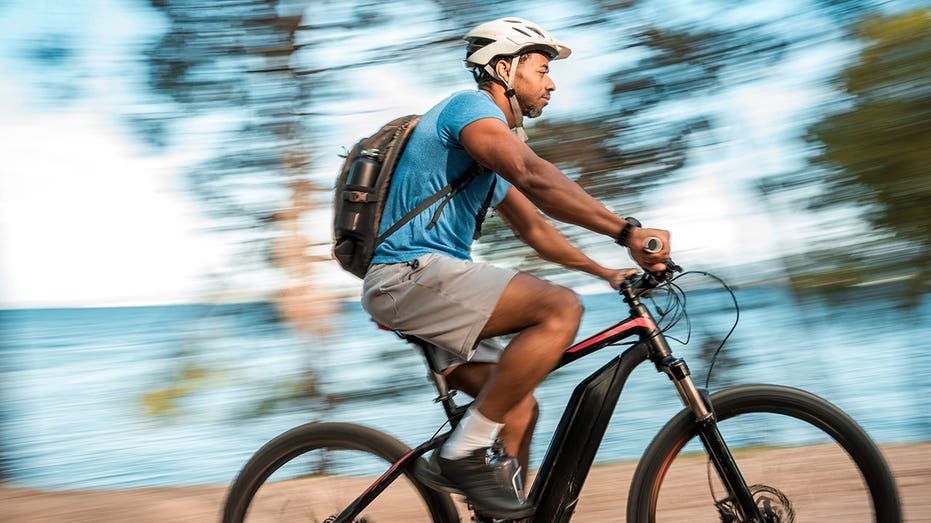
A growing number of Americans are ending up in emergency rooms with devastating injuries from electric bikes, prompting doctors and safety advocates to call for stricter regulations and better infrastructure. Emergency physicians in the Detroit metro area report treating a rising number of e-bike crash victims, from minor scrapes to major trauma. The trend mirrors a national pattern seen in other cities, where the popularity of fast, heavy e-bikes has outpaced safety measures.
Dr. Robert Sherwin, an emergency room physician at the Detroit Medical Center, told local news that many riders are unprepared for the speed and weight of these machines. “These Class 3 bikes are probably more like motor vehicles,” he said. “They travel up to 28 miles an hour, and a lot of riders aren’t expecting that, might not be experienced in that.” He added that while e-bikes are becoming faster and heavier, “the human body doesn’t change just because a bike has a motor.” Some e-bikes can reach speeds of 28 mph, increasing the severity of crashes on sidewalks and streets.
Nationally, the spike in e-bike and scooter injuries has drawn attention from medical researchers. A study published in the journalNeurosurgeryby NYU Langone Health analyzed trauma patients at NYC Health + Hospitals/Bellevue. Injuries involving pedal-powered and electric bikes and scooters accounted for nearly 7% of all trauma admissions. One-third of the 914 patients treated suffered a traumatic brain injury. More than two-thirds required hospital admission, and about 30% needed intensive care. The study found that physical harm linked to electric bikes and scooters increased from less than 10% of cases in 2018 to more than half by 2023.
Collisions with cars or trucks accounted for about half of all injuries among riders. Fewer than one-third of riders wore helmets, a factor linked to significantly higher rates of brain and facial injuries. Alcohol use was also a concern: 20% of patients tested positive for alcohol, which was associated with more severe head trauma and lower helmet use. Pedestrians struck by electric vehicles suffered brain injuries at nearly twice the rate of riders, according to an analysis of 69 pedestrian cases. Dr. Hannah Weiss, a neurosurgery resident at NYU and lead author of the study, said the findings show that “micromobility injuries are producing serious brain and spinal trauma that demands neurosurgical care at a scale we haven’t seen before.”
In response to rising injuries, some communities are restricting or banning e-bikes. New Jersey enacted a law this year requiring e-bikes to be registered. Riders must be at least 15 years old and possess a valid driver’s license or an e-bike license. The law was passed after a teenager died in an e-bike crash. Supporters of the law argued that licensing, helmet requirements, and registration would promote responsible riding and reduce harm. Experts like Dr. Paul P. Huang, chief of neurosurgery at NYC Health + Hospitals/Bellevue, said urban infrastructure must evolve. “Future studies should track these injuries across multiple cities and measure whether protected bike lanes, helmet programs and speed enforcement actually reduce the number of brain and spine surgeries we perform,” he said.
Local bike shop owner John Hughes of Detroit told reporters that the real danger comes from sharing the road with cars. “Cars aren’t looking out for bikes… people don’t respect bikes as a form of transportation, and that’s where it gets dangerous,” he said. He noted that drivers are often distracted by cellphones. Meanwhile, e-bike rider Cam Cason said he uses his e-bike for commuting to work and school, calling it “a very efficient way to get around” and cheaper than a car. But as more riders take to the streets for convenience and cost savings, doctors and safety experts urge caution, helmet use, and better enforcement of traffic rules to prevent further tragedies.
84