Memorandum
- From
- Derek Weston via FOX News
- Date
- Filed
- News·6 min to read
- Re
Angel Reese’s Victimhood Brand Under Scrutiny After WNBA Coach Controversy
ReAngel Reese’s Victimhood Brand Under Scrutiny After WNBA Coach Controversy
WNBA star Angel Reese faces criticism for framing a coach's comment as racial, ignoring Australian cultural context, as her pattern of claiming victimhood is examined.
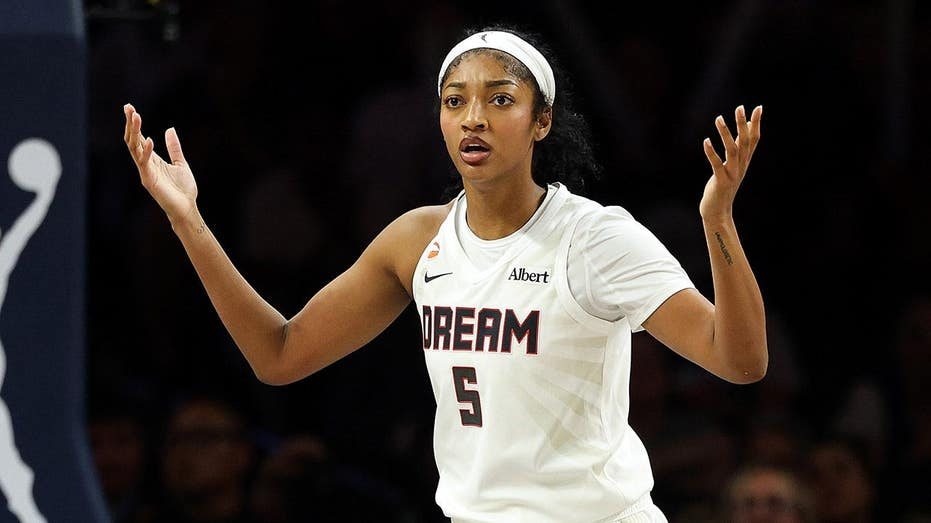
WNBA star Angel Reese has once again positioned herself as a victim, this time after Toronto Tempo coach Sandy Brondello was caught on a microphone calling her a «protected species» during a game. Reese responded on social media by implying the comment was racially charged, tagging Brondello and writing, «ARE WE SURPRISED?!» alongside a clown emoji. The incident has reignited debate about Reese’s tendency to frame criticism as persecution, a pattern that has become central to her public persona.
Brondello, who is Australian, used the phrase «protected species» in the context of arguing about a foul call. In Australian sports vernacular, the term commonly refers to a player, coach, or official perceived to receive preferential treatment from referees. The phrase has been used for decades in Australian coverage of rugby, cricket, and other sports, with no racial connotation. For example, NASCAR driver Danica Patrick, who is white, was described as a «protected species» by a fellow driver in 2012. Despite this clear cultural context, Reese and her supporters interpreted the comment as a racial slur, ignoring Brondello’s background and the specific situation.
Brondello apologized for the remark, explaining that her frustration was directed at the officiating, not at Reese personally. She said she feared losing her job if she did not apologize. The WNBA suspended Brondello for one game without pay, the same punishment given to Alyssa Thomas for physically striking Caitlin Clark in the throat. The league’s decision to treat a verbal comment about officiating as equivalent to a physical attack has drawn criticism, with some arguing it reinforces Reese’s narrative of being unfairly targeted.
Reese’s victimhood narrative is not new. It gained prominence after LSU defeated Iowa in the 2023 national championship game, when she taunted opponent Caitlin Clark and later claimed she was being treated unfairly by fans and media. Since then, Reese has repeatedly portrayed herself as a target of racism, sexism, and bias, despite enjoying immense popularity, endorsement deals, and a platform as a professional athlete. She has built a brand around being an underdog, even as she earns significant income from the same society she claims oppresses her.
Critics argue that Reese’s strategy of claiming victimhood is a calculated move to gain social capital and deflect criticism. By framing every slight as evidence of systemic oppression, she mobilizes a loyal fan base that amplifies her grievances on social media. This approach has been effective in generating attention and sympathy, but it also invites scrutiny when the facts do not support her claims. In the Brondello case, the coach’s Australian background and the non-racial usage of the phrase were widely reported, yet Reese chose to ignore that context.
The incident also highlights a broader trend in professional sports, where athletes increasingly use social media to shape narratives and rally support. Reese is not alone in this, but her consistency in adopting a victim stance sets her apart. She has complained about referees, coaches, reporters, and fans, often implying that criticism is rooted in racism or sexism. While online abuse is a real problem for many public figures, Reese’s tendency to equate all criticism with oppression has drawn backlash from those who see it as a manipulation tactic.
Brondello’s suspension has sparked debate about the WNBA’s disciplinary standards. Some observers note that the league appears to prioritize protecting certain players over others, especially when race is involved. The fact that a coach received the same penalty as a player who committed a physical assault suggests that the WNBA is more concerned with public perception than with proportional justice. This has led to questions about whether the league is enabling Reese’s victimhood narrative rather than addressing the underlying issues.
Reese’s defenders argue that she is simply standing up against racism and that any criticism of her is evidence of bias. They point to the abusive messages she receives online, including fake AI-generated explicit images, as proof of the hostility she faces. However, critics counter that all public figures endure online abuse, and that Reese’s choice to highlight only certain incidents while ignoring context undermines her credibility. The debate over Reese’s brand reflects deeper divisions in society about race, victimhood, and accountability.
As the WNBA season continues, the Brondello incident will likely remain a flashpoint. Reese has shown no signs of changing her approach, and her fan base continues to support her. For Brondello, the suspension is a costly reminder of the risks of speaking candidly in a league where every word is scrutinized. The episode serves as a case study in how cultural misunderstandings, social media amplification, and identity politics can collide in professional sports, leaving little room for nuance or context.
113