
Memorandum
- From
- Caroline Mercer
- Date
- Filed
- Economy·6 min to read
- Re
Why Dimon's dollar warning is now a Trump policy story
ReWhy Dimon's dollar warning is now a Trump policy story
The dollar remains dominant, but the conditions Jamie Dimon says sustain that dominance are being reshaped by Trump's fiscal law, tariffs and pressure on the Fed. The key question is trajectory, not an immediate loss of reserve status.
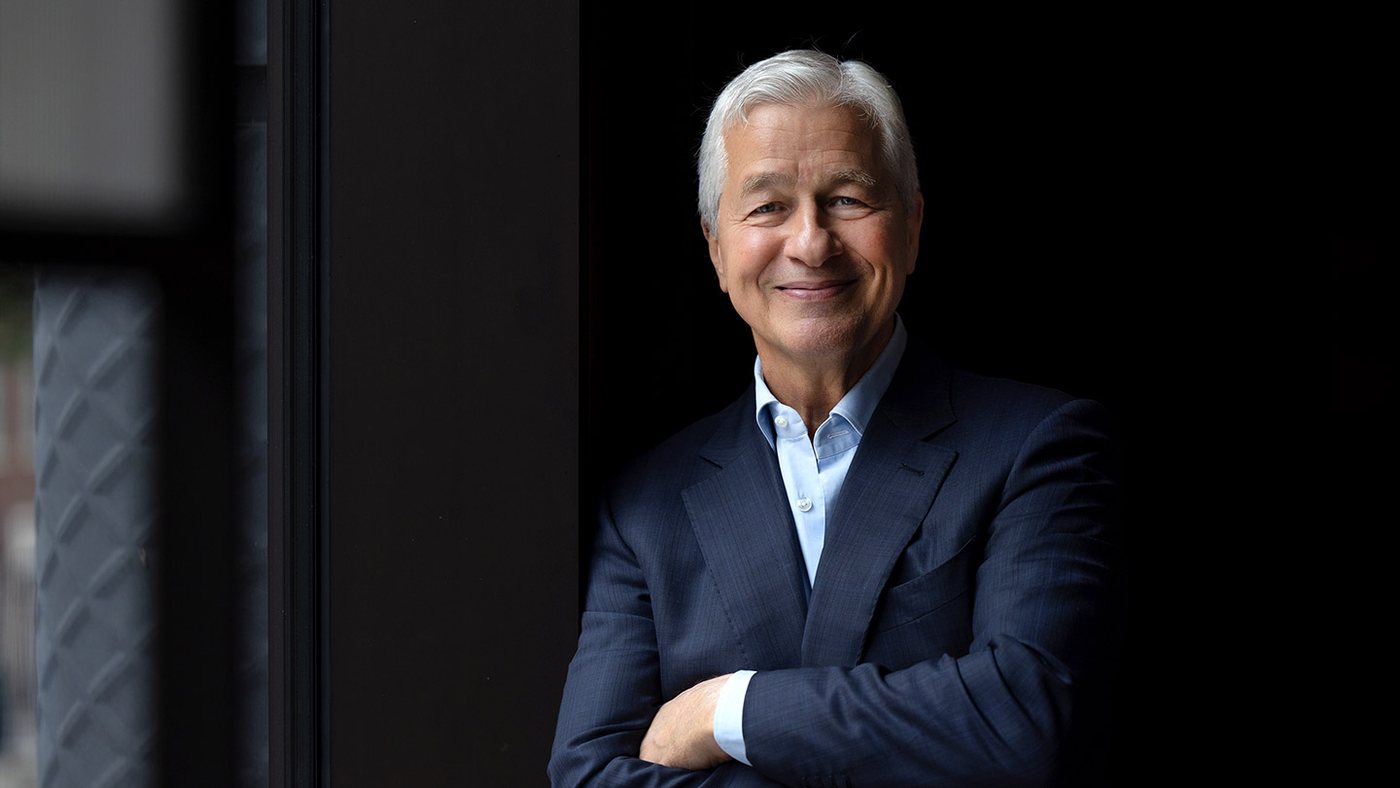
Jamie Dimon's reserve-currency warning can be reduced to one useful idea: the dollar's global role is an output of American power, not a permanent entitlement. In his latest interview, the JPMorgan Chase chief said the United States should not expect to keep the world's reserve currency if it ceases to have the strongest economy and military. That makes the warning relevant to Donald Trump's second-term agenda even though Dimon did not frame it as a partisan attack.
What matters first is what has not happened. The dollar has not lost reserve-currency status. IMF data for the first quarter of 2026 put its share of global foreign-exchange reserves at 57.13%, up from the end of 2025. The euro remains a distant second. The current question is therefore not whether a de-dollarization event has already occurred, but whether U.S. policy is strengthening or weakening the conditions that keep the system centered on the dollar.
Dimon has described those conditions in unusually broad terms. His shareholder letters cite economic strength, military power, open capital markets, rule of law, reliability and strong alliances. In 2025 he went further, warning that fragmented relationships with allies could leave America isolated and eventually undermine the dollar's reserve role. That framework gives a structured way to assess Trump policy.
On fiscal policy, the signal is mixed but the risk is clear. Trump signed the 2025 reconciliation law that extended major tax provisions and changed spending across defense, border security and social programs. CBO's February 2026 baseline estimates that the law adds about $4.7 trillion to deficits over 2026-2035 once macroeconomic changes and added interest costs are included. The agency projects a $1.9 trillion deficit in 2026, with debt held by the public rising from 99% of GDP at the end of 2025 to 120% in 2036.
The administration's case is that tax incentives and defense investment raise productive capacity and national power. CBO itself expects the law to support stronger growth in 2026. The counterweight is that larger deficits raise interest costs and increase the quantity of debt global investors must absorb. Reserve-currency status makes that easier; relying ever more heavily on that privilege also raises the cost of losing even a portion of it.
Trade policy produces another two-sided result. Trump has used tariffs to change bargaining power and supply chains. A broad temporary 10% import surcharge operated for 150 days earlier this year, while other tariff measures remain part of the landscape. CBO says higher tariffs reduce projected federal deficits by roughly $3 trillion over the baseline window but also reduce growth. Dimon accepts the national-security rationale for targeted industrial policy and tariffs, especially where the United States has become dependent on China for critical inputs. He also says the ultimate objective should be a stable, consistent system that strengthens allies.
That last clause is central. If tariff pressure produces new agreements and resilient Western supply chains, it could support the very economic and military strength Dimon says protects the dollar. If it instead pushes allies to diversify trade, financing and reserve practices away from the United States, it works against the network effects that make the dollar uniquely useful.
Institutional credibility is the third component. Dimon publicly defended Federal Reserve independence in January. The Trump administration's attempt to remove Fed Governor Lisa Cook was blocked by the Supreme Court in June for the time being. The immediate market effect of any one dispute may be small, but the reserve system depends on a repeated expectation that U.S. monetary policy, courts and property rights are not simply extensions of presidential preference.
Trump's own answer is that his strategy strengthens the dollar. The White House has cited tougher trade deals, pro-growth policies and the GENIUS Act's support for dollar-backed stablecoins and Treasury demand. That claim cannot be dismissed by saying the dollar is already in decline; the IMF data do not support that description.
The more accurate synthesis is that Trump's policies have become inputs into the long-term reserve-currency equation Dimon described. The fiscal law adds debt while supporting near-term growth. Tariffs raise revenue while constraining trade. Defense and industrial policy may strengthen strategic capacity while disputes with allies and the Fed can weaken institutional trust. The dollar remains dominant today. Whether it remains so a generation from now will tell us whether those trade-offs produced American strength or consumed it.
70

Source: Source: Business Insider