Memorandum
- From
- Connor Quincy via PBS NewsHour
- Date
- Filed
- Economy·5 min to read
- Re
US national average gas price returns to $4 a gallon amid escalating US-Iran conflict
ReUS national average gas price returns to $4 a gallon amid escalating US-Iran conflict
The average price of a gallon of gasoline in the United States has climbed back to $4, driven by escalating military attacks between the US and Iran and new maritime threats from Houthi forces in Yemen that risk disrupting global oil supplies.
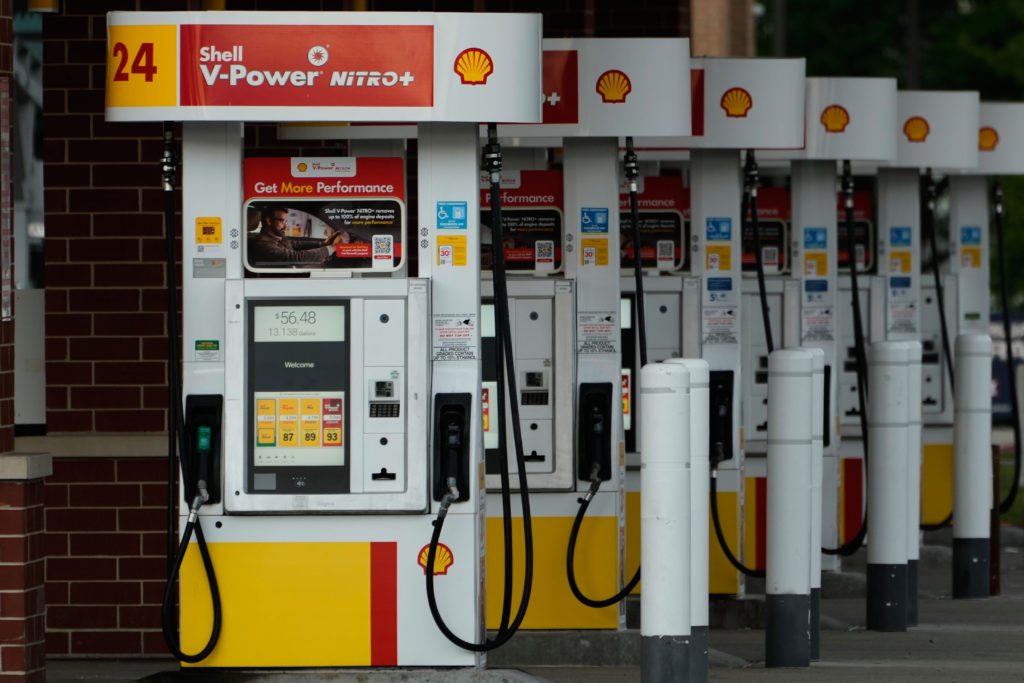
The national average price for a gallon of gasoline in the United States has returned to the $4 mark, driven by escalating military confrontations between the United States and Iran and new threats to oil shipping routes in the Middle East. The price surge marks the first time the national average has reached this threshold since mid-June, according to data cited in multiple reports. Drivers in several states have already been paying well above $4 per gallon for weeks, but the national average crossing this symbolic line underscores the broad economic impact of the ongoing conflict.
The price increase comes as the United States and Iran continue a series of tit-for-tat attacks that have raised fears of a broader regional war. The conflict has already disrupted maritime traffic through the Strait of Hormuz, a critical chokepoint through which approximately one-fifth of the world's oil supply normally flows. Traffic through the strait remains near a standstill amid the ongoing exchanges, according to Bloomberg. The disruption has sent oil prices surging, with the average cost of gasoline rising more than 15 percent in a single week.
Adding to the pressure on global energy markets, the Houthi movement in Yemen announced a new maritime blockade targeting Saudi Arabia, a key US ally and the world's largest oil exporter. The Houthis, a Yemeni political and military organization, said the blockade was instituted in response to Saudi attacks on Yemen's capital, Sana'a, and would be implemented immediately. The announcement has been described by some analysts as a potential nightmare scenario for global oil supplies, as Saudi Arabia has already diverted close to three-quarters of its oil exports through the Red Sea port of Yanbu following earlier disruptions to Hormuz traffic. Both Saudi Arabia and Yemen share coastlines along the Red Sea, positioning the Houthis to enforce the embargo and threaten Saudi energy exports.
The Houthi blockade adds to a growing list of risks facing oil markets. Tensions between Saudi Arabia and the Houthis have escalated sharply since Riyadh attacked the airport in Sana'a last week. The Houthis responded by attacking a southern Saudi airport, marking the worst flare-up between the two sides since a ceasefire agreement in 2022. The renewed hostilities threaten to further destabilize a region already on edge due to the US-Iran confrontation.
The economic consequences are already being felt by American consumers. The $4 per gallon average is a national figure, meaning prices vary significantly by state and region. Some states, particularly those on the West Coast and in the Northeast, have seen prices well above the national average for an extended period. The latest increase adds to inflationary pressures on households already grappling with higher costs for goods and services. Transportation costs, which are heavily influenced by fuel prices, are expected to rise, potentially affecting everything from grocery prices to airfares.
The situation has drawn sharp commentary from political observers. Conservative journalist and commentator Saagar Enjeti described the confluence of events as a literal nightmare scenario in a social media post. The combination of a stalled Strait of Hormuz, a new blockade in the Red Sea, and rising domestic gasoline prices presents a significant challenge for the administration. The price spike also threatens to become a major political liability, as voters often hold the incumbent party responsible for high fuel costs.
Oil markets are closely watching for any signs of de-escalation or further disruption. Analysts warn that if the Houthi blockade is effectively enforced, it could remove millions of barrels of oil per day from global markets, driving prices even higher. The situation remains fluid, with no immediate indication that either the US-Iran conflict or the Saudi-Houthi tensions are nearing a resolution. For now, American drivers are left to contend with the highest gasoline prices in months, with the potential for further increases if the conflict in the Middle East continues to escalate.
82