
Memorandum
- From
- Delaney Sawyer via PBS NewsHour
- Date
- Filed
- Economy·4 min to read
- Re
August Inflation Report Shows Consumer Prices Up 3.4%
ReAugust Inflation Report Shows Consumer Prices Up 3.4%
The Labor Department reported that consumer prices rose 3.4% in August compared to a year earlier, fueling speculation that the Federal Reserve will raise interest rates. The same news wrap also noted the end of a cyclospora outbreak and a British estimate of Russian troop losses in Ukraine.
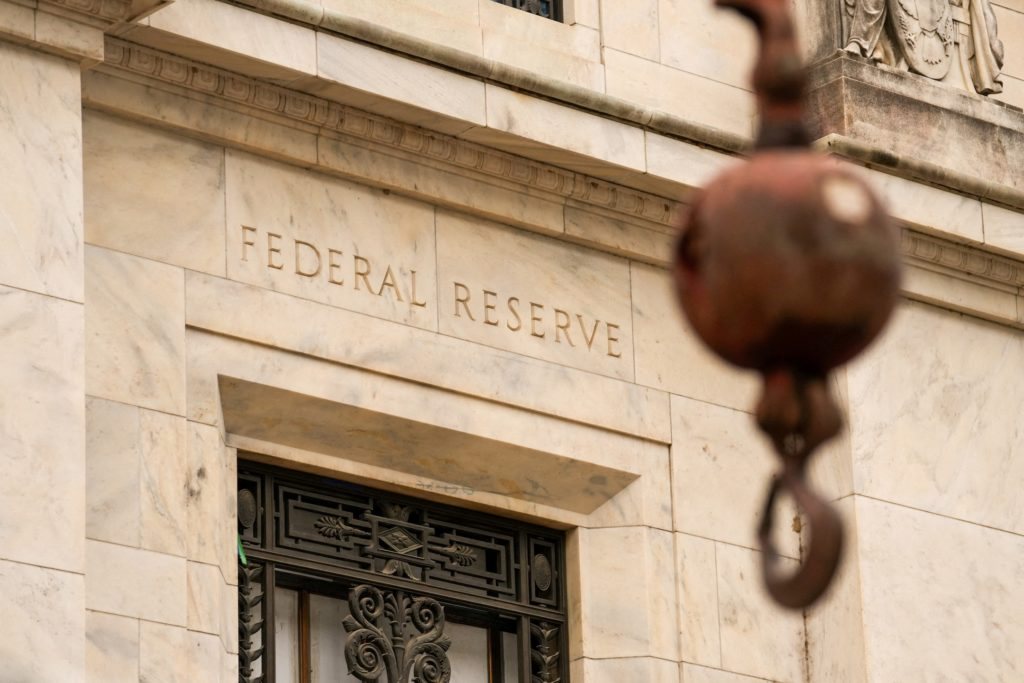
Consumer prices in the United States rose 3.4% in August compared with the same month a year earlier, according to a Labor Department report released Friday. The inflation reading is intensifying expectations that the Federal Reserve will move to raise interest rates as it seeks to keep price growth in check.
The report lands at a moment when the central bank is weighing whether to tighten monetary policy further. A 3.4% annual increase in consumer prices signals that inflation remains present in the economy, even as the pace of price growth has shifted from earlier peaks. The figure is closely watched because it directly affects household budgets, borrowing costs, and the broader outlook for economic growth.
Financial markets and policy analysts immediately turned their attention to the Fed, which uses interest rate decisions as its primary tool for managing inflation. Raising rates tends to cool demand by making loans and credit more expensive for consumers and businesses. The speculation around a rate increase reflects the central bank's ongoing effort to balance price stability against the risk of slowing economic activity too sharply.
The inflation data was part of a broader news wrap that also covered public health and international developments. U.S. health officials declared an end to the cyclospora outbreak, closing out a period of concern over the foodborne illness. The announcement provided a measure of relief for public health authorities and consumers who had been monitoring the outbreak.
Separately, a British official said that more than half a million Russian troops have been killed since the start of the invasion of Ukraine. The estimate adds to the international picture of the conflict's human cost, though it was reported alongside the domestic economic and health news of the day.
For American households, the August inflation report is the most directly relevant item. A 3.4% annual rise in consumer prices means that the cost of everyday goods and services continues to climb, even if the rate is not accelerating as sharply as it did during earlier phases of the inflation cycle. The report does not break down which categories drove the increase, but the overall figure is the number that feeds into Federal Reserve deliberations.
The Fed's next steps will be shaped by a range of economic indicators, not just a single month of inflation data. Still, the August reading gives policymakers and the public a fresh snapshot of price pressures as the year progresses. If the Fed does raise rates, the effects would ripple through mortgages, credit cards, business loans, and savings accounts, making the decision consequential for millions of Americans.
Friday's news wrap thus combined three distinct threads: a key inflation gauge that points to continued price growth, the end of a domestic outbreak, and a stark overseas casualty estimate. Each item reflects a different dimension of the current moment, from kitchen-table economics to global security. The inflation number, however, is likely to have the most immediate bearing on U.S. policy and pocketbook concerns in the weeks ahead.
69