
Memorandum
- From
- Derek Weston via RawStory - World News
- Date
- Filed
- Economy·4 min to read
- Re
US crude oil reserves hit 45-year low as Iran conflict threatens shortages
ReUS crude oil reserves hit 45-year low as Iran conflict threatens shortages
The United States' crude oil supply has dropped to a 45-year low with only 43 days of reserves remaining, as the ongoing conflict with Iran and new maritime blockades by the Houthis push global markets toward potential shortages and economic turmoil.
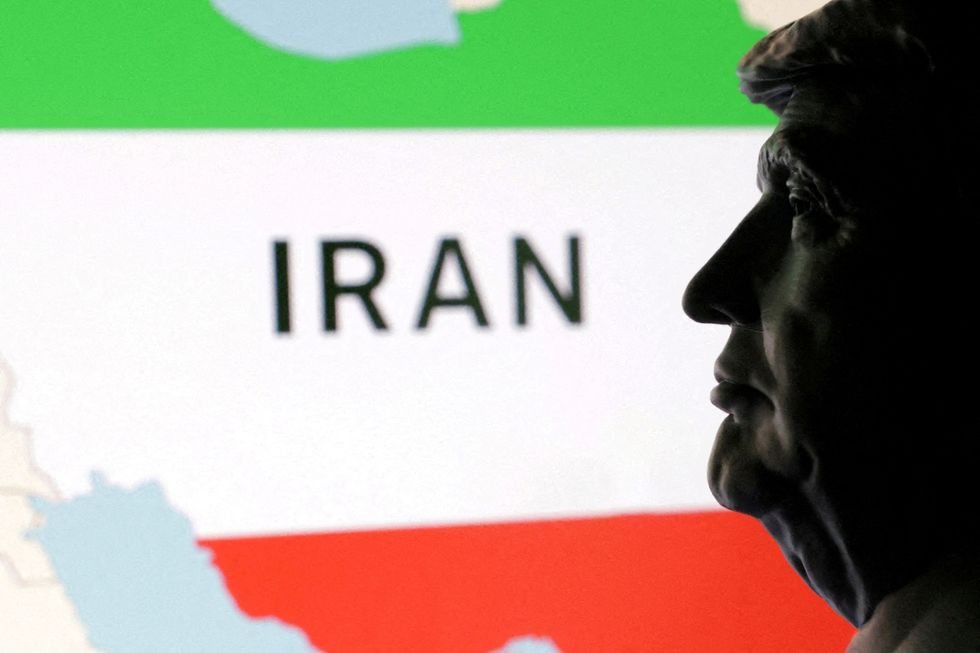
The United States is facing a critical depletion of its crude oil reserves, with analysts warning that continued hostilities with Iran could lead to literal shortages within weeks. Conservative commentator Saagar Enjeti sounded the alarm Monday, noting that the U.S. crude oil supply has fallen to its lowest level since 1983, with just 43 days of inventory remaining. The warning comes as the U.S.-Iran ceasefire collapsed earlier this month, and both sides have resumed exchanges of fire, dimming hopes for a diplomatic resolution.
The cost of oil surged more than 15% last week, according to financial data company Barchart, reflecting growing market instability. Enjeti, speaking on his political video podcast Breaking Points, emphasized that the dwindling reserves erode market confidence. You need that slack to have confidence in the market that it will be there when you order what you have, he said. When all that gets taken away, and if it runs to zero, that is when stuff gets absolutely bonkers. He warned that export bans could come into play, leading to literal shortages, and noted that the Strategic Petroleum Reserve exists precisely to prevent such scenarios.
Exacerbating the crisis, the Yemeni military organization known as the Houthis announced a new maritime blockade on Saudi Arabia on Monday, threatening the flow of millions of barrels of oil. Enjeti explained that approximately 4.5 million barrels per day were passing through the Bab al-Mandeb strait, representing roughly 3 to 4 percent of the global oil supply. The Houthis now say they will blockade that route, he said, adding that this comes on top of the five-month closure of the Strait of Hormuz, which has already shocked the system.
China, which significantly reduced its oil imports after the United States first attacked Iran in February, is expected to resume buying soon as it draws down its stockpiles. Chinese imports plummeted from roughly 12 million barrels per day before the war to below 6 million barrels per day after the outbreak. A resumption of Chinese buying will put significant pressure on the global oil market, Enjeti warned. The combination of two primary shocks—the Houthi blockade and China's rebound—entering an already strained system could make things catastrophic very quickly.
The current situation has pushed U.S. gasoline prices back to $4 per gallon nationally, according to Enjeti. He noted that Saudi Arabia had been a key buffer, supplying about 4.5 million barrels per day through the Bab al-Mandeb strait, but that buffer is now at risk. The Strait of Hormuz, a vital passage for global oil trade, has been effectively closed for five months due to the U.S.-Iran conflict, further tightening supply chains.
The crisis has broader geopolitical implications. The United Kingdom's new Prime Minister, Andy Burnham, who took office Monday, has already reaffirmed the U.K.'s commitment to securing the movement of shipping in the Strait of Hormuz. During a call with U.S. President Donald Trump, Burnham underlined his commitment to defense and security, according to Downing Street. The U.K. has been a key ally in the region, and the renewed conflict has strained transatlantic relations, with Trump criticizing European leaders for not actively participating in the Iran war.
Analysts remain skeptical that a diplomatic resolution is still possible. The collapse of the ceasefire earlier this month has left both sides entrenched, and the economic fallout is becoming increasingly severe. The U.S. crude oil supply at a 45-year low, combined with the Houthi blockade and China's expected return to the market, paints a grim picture for global energy markets in the coming weeks.
79