Memorandum
- From
- Connor Quincy via IGN Articles
- Date
- Filed
- Economy·4 min to read
- Re
Ultralight Gaming Mouse Market Splits Into Three Competing Design Strategies
ReUltralight Gaming Mouse Market Splits Into Three Competing Design Strategies
Corsair, Logitech, and Razer are pursuing fundamentally different approaches to ultralight gaming mice in 2026, with each betting on a distinct frontier — extreme weight reduction, rapid-trigger click technology, or refined fundamentals — as the segment evolves from a niche trend into a mainstream market battleground.
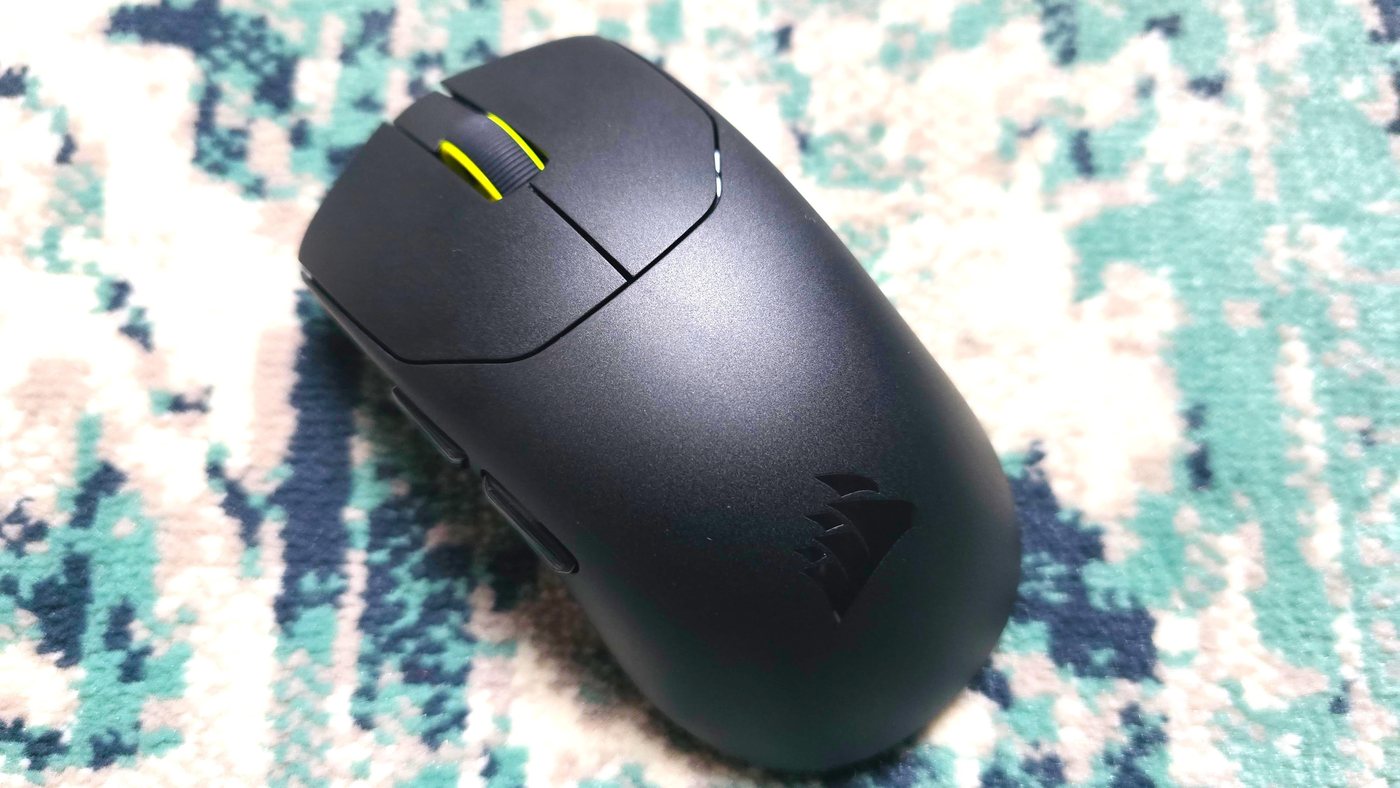
The ultralight gaming mouse segment has entered a new competitive phase in 2026, with the industry's three largest peripheral makers staking out sharply different design philosophies for their flagship models. Corsair, Logitech, and Razer have each released premium wireless mice that embody distinct bets on what gamers will value most, signaling that the category has matured beyond simple weight reduction into a broader contest over innovation priorities.
Corsair has taken the most aggressive approach to shedding grams with its Sabre V2 Pro, which weighs just 36 grams and ranks among the lightest gaming mice available. Achieving that figure required deliberate trade-offs: the mouse omits Bluetooth connectivity, offers relatively basic software, and does not match rivals in build quality. Despite those compromises, the device impressed reviewers with its combination of extreme lightness and a 30,000 DPI sensor, with 8,000Hz polling available at the cost of significantly reduced battery life.
Logitech has chosen a fundamentally different path with the G Pro X2 Superstrike, which retains a more conventional 61-gram chassis but introduces the company's new HITS system. That technology brings rapid-trigger functionality and haptic feedback to the main mouse buttons, a feature set previously associated with high-end gaming keyboards. Logitech claims response times up to 30 milliseconds faster than traditional mechanical or optical switches, though the company acknowledges the system requires an adjustment period — roughly a week for most users to adapt to the new sensation under the fingers.
Razer, by contrast, has focused on perfecting the basics rather than introducing novel mechanics. The Viper V4 Pro features a slightly lighter internal redesign, a new 50,000 DPI sensor, fourth-generation optical switches engineered for lighter actuation, and an upgraded HyperSpeed wireless connection with true 8,000Hz polling. The company also improved battery life, making the mouse a well-rounded package that excels on specification across the board without betting on any single breakthrough feature.
The divergence among the three manufacturers reflects how quickly the ultralight mouse phenomenon has evolved. Just five years ago, mainstream wireless mice such as the Logitech G502 Lightspeed and older Corsair models were considerably heavier and even included adjustable weight systems that let users add mass rather than remove it. The prevailing assumption at the time was that more weight, applied thoughtfully, contributed to stability and precision.
That thinking began to shift as competitive players discovered that lighter mice enabled faster, lower-effort flicks and quicker aim adjustments. Early ultralight designs from smaller manufacturers popularized honeycomb shells to shave grams, and the trend accelerated as sensor sensitivity, polling rates, and wireless latency all improved in tandem. The result has been a golden generation of gaming mice, with the current flagship lineup representing three genuinely different interpretations of what the category should prioritize.
Industry observers now face an open question: whether Corsair's single-minded pursuit of a headline weight number, Logitech's bet on click behavior as the next frontier, or Razer's commitment to refining fundamentals will ultimately win over the competitive gaming audience. Each approach carries distinct trade-offs in battery life, build quality, and feature set, and the coming months will reveal which strategy resonates most strongly with players who treat their peripherals as competitive equipment.
64