Memorandum
- From
- Caroline Mercer via FOX News
- Date
- Filed
- Economy·5 min to read
- Re
Trump invokes never-used 1930s tariff law to impose 50% duties on Canadian goods
ReTrump invokes never-used 1930s tariff law to impose 50% duties on Canadian goods
President Donald Trump has activated Section 338 of the Tariff Act of 1930 for the first time in U.S. history, imposing 50% tariffs on a range of Canadian imports. The move expands his trade war playbook and introduces new legal uncertainty for businesses, as the administration seeks alternative tariff authorities after recent Supreme Court setbacks.
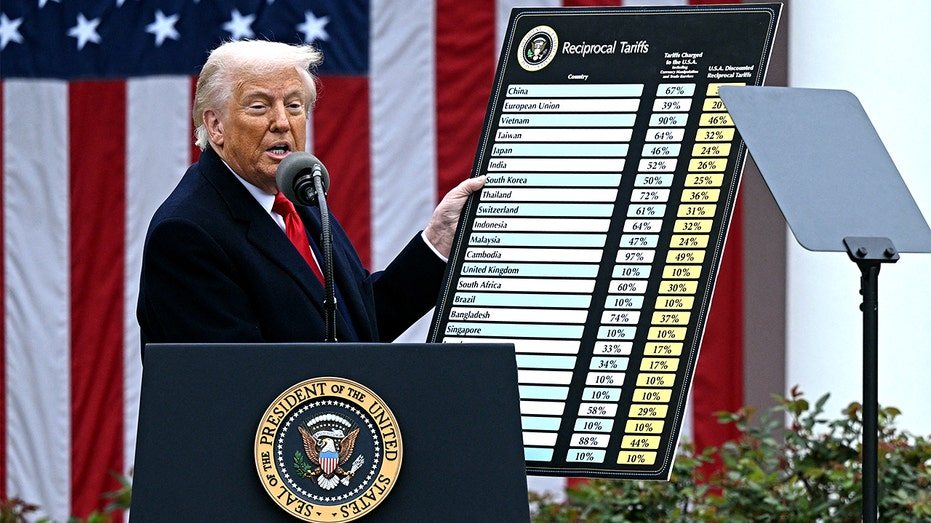
President Donald Trump has opened a new chapter in his trade policy by invoking a tariff authority that no previous U.S. president has ever used, imposing 50% duties on a broad range of Canadian goods. The move, which relies on a little-known provision of the 1930 Tariff Act known as Section 338, gives the president sweeping power to levy tariffs on imports from countries deemed to discriminate against U.S. commerce. Canada, one of America's largest trading partners, is the first nation targeted under this long-dormant authority, with the new duties covering exports such as wine, hockey sticks, cement, dairy products, and furniture.
The activation of Section 338 marks a significant escalation in Trump's tariff strategy, which has been a defining feature of both his presidencies. The law, nearly a century old, had never been used by any previous administration. Its first-ever application could establish a new legal blueprint for future trade disputes, according to trade policy experts. Scott Lincicome, vice president of general economics at the Cato Institute, told Fox News Digital that the move is significant because it uncorks a statute that is wide open in terms of presidential power to impose tariffs. He noted that the real impact may be less about the immediate duties and more about the new uncertainty injected into the multitrillion-dollar trading environment.
The timing of the tariff expansion is notable, coming shortly after the Supreme Court ruled against the administration's use of emergency powers for Trump's earlier Liberation Day tariffs. That legal setback prompted the White House to search for alternative legal authorities to sustain its trade agenda. Section 338, which carries fewer procedural constraints than other tariff mechanisms, may now serve as a broader legal avenue for imposing duties, Lincicome explained. The tariffs are taxes on imported goods that U.S. importers generally pay upfront, and businesses can either absorb the costs or pass them on to wholesalers, retailers, and consumers through higher prices.
Canadian Prime Minister Mark Carney criticized the new tariffs as the latest in a series of U.S. trade actions that he said violate the U.S.-Mexico-Canada Agreement. In a statement, Carney reaffirmed Canada's commitment to negotiations while condemning the duties. The new tariffs are expected to take effect within the next 30 days. David Clement, policy director at the Consumer Choice Center, described the move as a last-ditch effort to keep some tariffs on the table despite recent legal setbacks. He argued that for roughly $20 billion in imports, businesses will simply pay more, and the bigger long-term risk is not a collapse of North American trade but rather businesses delaying investment due to uncertainty about future tariff policy.
Monthly tariff collections have more than tripled since Trump returned to office, rising from roughly $9 billion to over $30 billion. The government collected $30.4 billion in duties in January alone, a 275% increase from a year earlier, bringing fiscal-year collections to $254.8 billion. Trump has consistently argued that tariffs protect American industries, boost domestic manufacturing, and strengthen the U.S. economy. However, with affordability remaining a defining political issue ahead of the midterm elections, any tariff policy that raises consumer prices is likely to face renewed scrutiny. Lincicome noted that the limited scope of the latest tariffs may reflect political realities, as the president knows that Americans generally dislike tariffs because they associate them with higher costs.
The use of Section 338 also raises questions about the future of U.S. trade policy and the potential for further unilateral actions. Trade experts warn that the precedent set by invoking this dormant authority could encourage future administrations to use it in other disputes, potentially destabilizing global trade relationships. For now, the immediate impact falls on Canadian exporters and U.S. importers, who must navigate the new duties while waiting to see whether negotiations or further legal challenges will alter the course of the trade conflict.
72