Memorandum
- From
- Derek Weston via fox - Opinion
- Date
- Filed
- Economy·5 min to read
- Re
Sen. Rand Paul Warns Russia Sanctions Bill Would Hurt American Consumers
ReSen. Rand Paul Warns Russia Sanctions Bill Would Hurt American Consumers
Sen. Rand Paul argues that the Lindsey O. Graham Sanctioning Russia Act of 2026 would impose massive tariffs on U.S. trade partners, raising prices for American families and potentially disrupting the economy, without changing Russia's behavior.
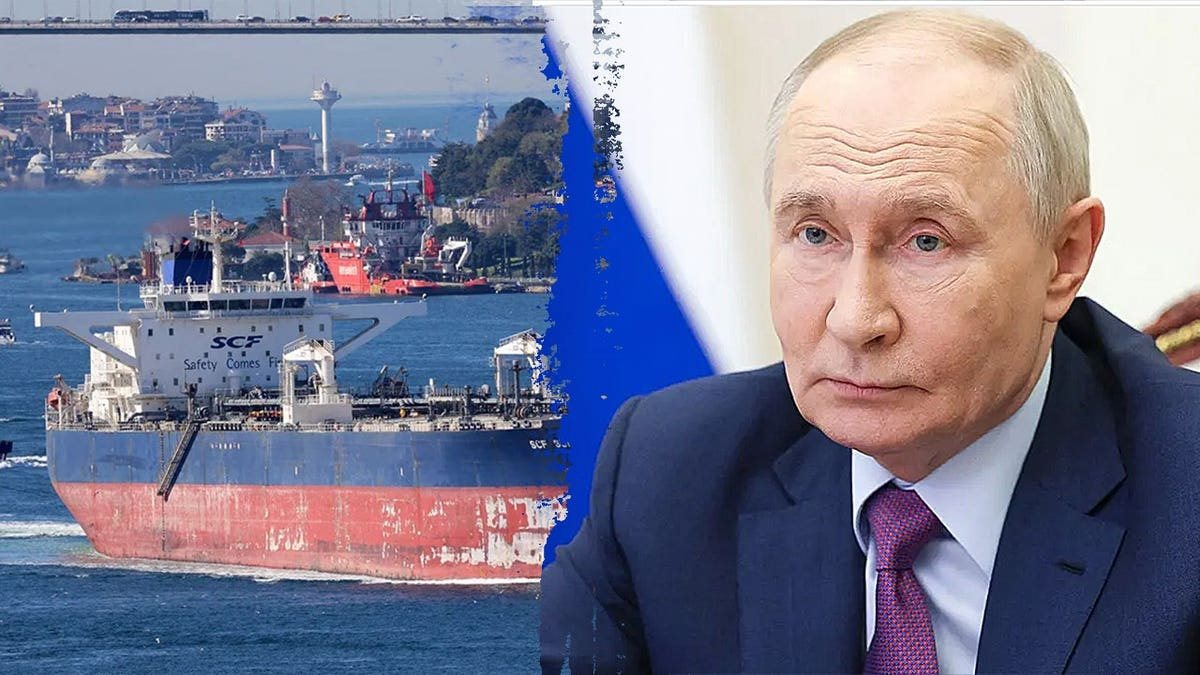
Senator Rand Paul has sharply criticized a new sanctions bill targeting Russia, warning that the legislation would function as a massive tax increase on American consumers rather than effectively pressuring Moscow. In a recent opinion piece, the Kentucky Republican argued that the Lindsey O. Graham Sanctioning Russia Act of 2026, which Congress may soon consider, epitomizes a Washington foreign policy establishment out of touch with everyday Americans.
The bill would impose a 500 percent tariff on all U.S. trade with Russia and grant the president unilateral authority to levy up to 100 percent tariffs on goods imported from the top five largest importers of Russian crude oil or natural gas, as well as countries facilitating Russian oil sanctions evasion. These countries currently include China, India, Japan, Azerbaijan, France, Hungary, Belgium, and Slovakia. Combined with Russia, this covers nearly 40 percent of the world's population, according to Paul.
Paul described the legislation as potentially the largest tax increase ever passed by a Republican Congress, costing the American people half a trillion dollars. He emphasized that tariffs are ultimately paid by American importers and retailers, who pass the costs on to consumers. When tariffs are placed on products made in China, for example, the average American pays that tax when shopping at stores like Walmart or Target. Paul noted that companies such as Walmart, Costco, Home Depot, General Motors, and UPS are expected to receive billions of dollars in refunds after the Supreme Court struck down emergency tariffs, illustrating that foreign countries do not bear the cost.
The senator drew a parallel to the Smoot-Hawley tariffs of the 1930s, which exacerbated the Great Depression by raising average tariffs by 20 percent. He argued that the Graham legislation threatens far larger increases, which could disrupt the U.S. economy even more severely. China and India are vital trade partners: in 2025, the United States imported over $308 billion worth of goods from China and over $103 billion from India. Imposing a 100 percent tariff on all goods from these countries, Paul warned, would be the economic equivalent of shooting ourselves in the foot.
Paul also highlighted the potential impact on low- and middle-income Americans. He questioned what would be said to minimum-wage workers needing to buy car parts to get to work, parents buying school shoes for their children, or single mothers purchasing diapers when prices double. He criticized the timing of such policies during an election year when Americans' primary concern is the cost of living.
The bill also raises practical and diplomatic concerns. Paul noted that the European Union handles trade as a unified bloc, so imposing tariffs on individual EU members like Slovakia and Hungary could trigger retaliation from the entire bloc. In 2025, U.S.-EU bilateral trade exceeded $1 trillion, making such a scenario economically disastrous for American families. Additionally, the bill bans U.S. citizens from conducting business and investment in Russia and gives the president authority to sanction any foreign person deemed to be undermining Ukraine. Paul questioned whether this could lead to sanctions against allies like Poland, which recently had a diplomatic fallout with Ukraine over a historical military unit.
Paul further criticized the bill's mechanism that allows Congress to prevent a president from removing tariffs or sanctions but provides no way for Congress itself to remove them. This authority could extend beyond President Donald Trump's term, potentially being abused by a future president. He argued that Russia, having sustained some 1.4 million casualties, thousands of economic sanctions, and over four years of economic isolation, is unlikely to change its behavior due to additional punitive measures. The bill, he concluded, would make American families poorer without compelling any change in Vladimir Putin's actions.
75