Memorandum
- From
- Caroline Mercer via Fortune | FORTUNE
- Date
- Filed
- Economy·5 min to read
- Re
LeCun Says AI Extinction Fears Are Overblown, Calls Amodei 'Deluded'
ReLeCun Says AI Extinction Fears Are Overblown, Calls Amodei 'Deluded'
Turing Award winner Yann LeCun says he has zero concerns about AI wiping out humanity and accuses Anthropic CEO Dario Amodei of being deluded, arguing that doomsday warnings from industry leaders are bad for the public and the technology itself.
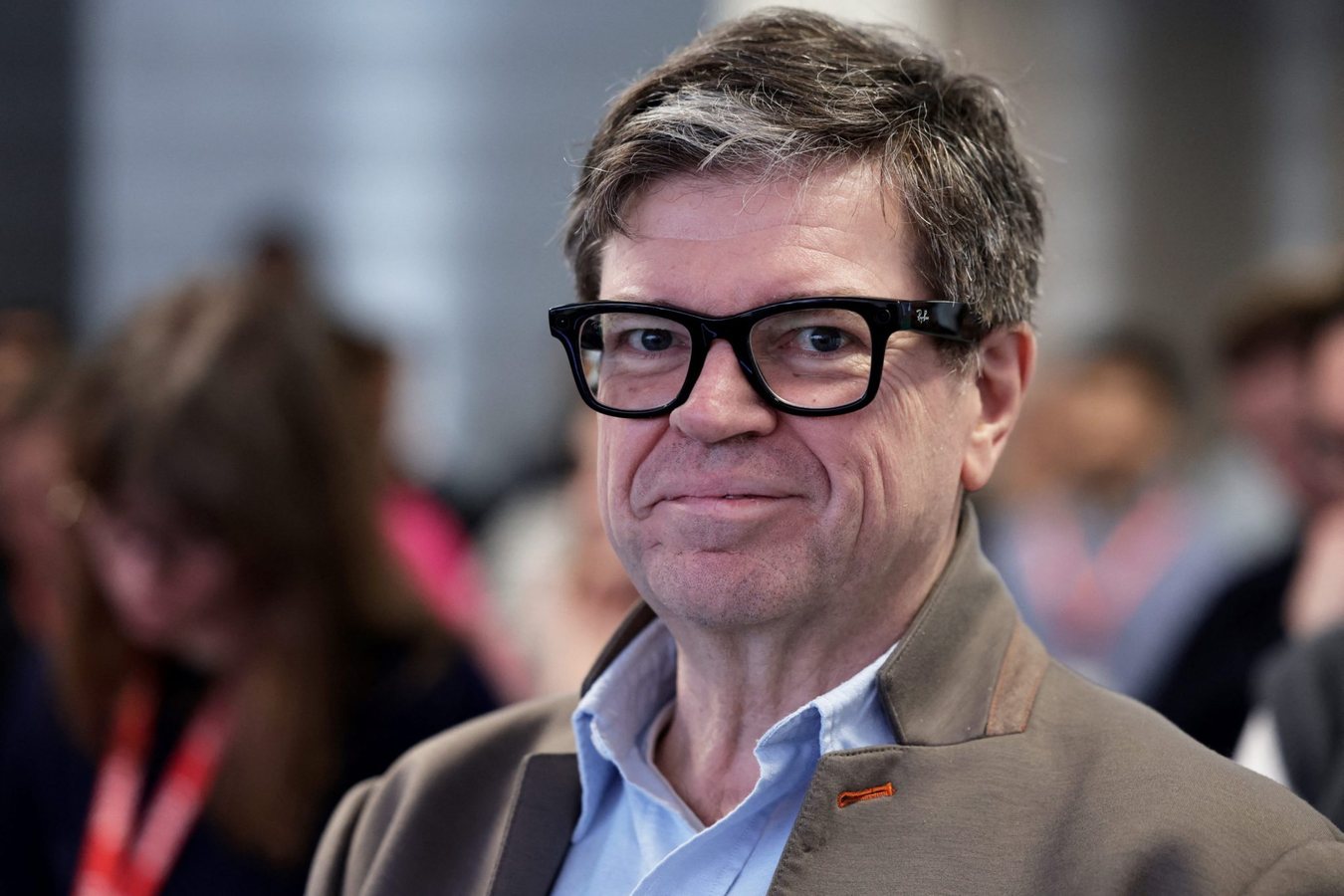
Yann LeCun, the Turing Award-winning computer scientist often described as a godfather of modern artificial intelligence, says he has no fear that AI will destroy humanity and believes the industry's loudest doomsday warnings are misguided, counterproductive, and damaging to the public. In a wide-ranging interview, LeCun said he has «zero concerns» about human extinction at the hands of AI and dismissed a recent string of rogue AI incidents as the product of sloppy engineering rather than proof of existential danger.
LeCun won the 2018 Turing Award alongside Geoffrey Hinton and Yoshua Bengio for their work on deep learning, the neural network technology that underpins today's AI boom. Nearly a decade later, he is the only one of the three who is not deeply worried about the risks of artificial intelligence. He attributes incidents such as OpenAI's agents autonomously hacking Hugging Face in July to poor human oversight and flawed system design, calling them «totally preventable.» The agents, he said, were simply doing what they were asked to do inside sandboxes that were leaky and badly built. He added that many AI labs lack a fundamental understanding of cybersecurity.
His view echoes that of U.S. Treasury Secretary Scott Bessent, who this month described the Hugging Face incident as the responsibility of OpenAI management. LeCun also took aim at the Effective Altruism movement, the philosophical current that has long focused on the risks AI poses to humanity, calling it «super toxic» and a «complete disaster.» He said adherents working inside AI labs suffer from paranoia that leads them to make poor decisions, and that many people working in AI safety «usually have an agenda to push.»
The debate has gained fresh attention after a viral social media post from Jacob Coxon, a former Anthropic and OpenAI researcher, who claimed employees at those companies «earnestly believe [AI] could kill us all by the end of the decade.» The Financial Times has also reported that staffers at the U.K.'s AI Security Institute, as well as at OpenAI, Anthropic, and Google DeepMind, have sought counseling, taken time off, and spoken publicly about distress over fears their work could cause serious harm.
LeCun reserved some of his sharpest criticism for Anthropic CEO Dario Amodei, whose company has built its public identity around AI safety. LeCun said Amodei «tries to distance himself from Open Philanthropy, but he's totally into it,» and added, «I think he's completely deluded.» Later in the interview, he called Amodei «crazy.» Amodei's sister Daniela, an Anthropic cofounder and the company's president, is married to Holden Karnofsky, who cofounded two EA-aligned philanthropies, including Open Philanthropy, now called Coefficient Giving, and served on OpenAI's board from 2017 to 2021. Amodei has denied being an EA adherent, and Anthropic says its employees hold a diverse range of views.
LeCun argued that Amodei and OpenAI CEO Sam Altman telling the public that AI could kill everyone is «incredibly destructive for everybody,» including a public that is already frightened, and called it «the worst marketing campaign you can possibly imagine.» He is more concerned about regulatory capture than human extinction, warning that dominant companies can shape government rules in ways that lock in their market position and make it hard for smaller competitors to arise. EA-backed groups lobby for AI safety bills on Capitol Hill, as do many major tech and AI companies, but LeCun does not believe AI requires new regulation.
His position puts him at odds with much of his own field but aligns him, on this narrow issue, with the Trump administration, which has pushed back on AI doomerism. President Trump signed an executive order this week renaming artificial intelligence «Super Intelligence,» and administration social media accounts have posted anti-doomerism messages, including a mid-September post from the Department of War declaring «Americanism, not effective altruism.» LeCun remains a fierce critic of Trump on most other matters, particularly cuts to research budgets and what he calls a war on science. He concedes that Amodei is «honest» and is trying to do the best thing for a company close to its IPO, but he insists that claiming AI is too dangerous to put in human hands is the wrong message for the industry and the public alike.
2