Memorandum
- From
- Delaney Sawyer via All News
- Date
- Filed
- Economy·3 min to read
- Re
Japan Posts Larger-Than-Expected Trade Deficit as Export Growth Slows
ReJapan Posts Larger-Than-Expected Trade Deficit as Export Growth Slows
Japan's trade deficit for September came in bigger than economists expected, with export growth losing momentum and adding pressure on an economy already facing external headwinds.
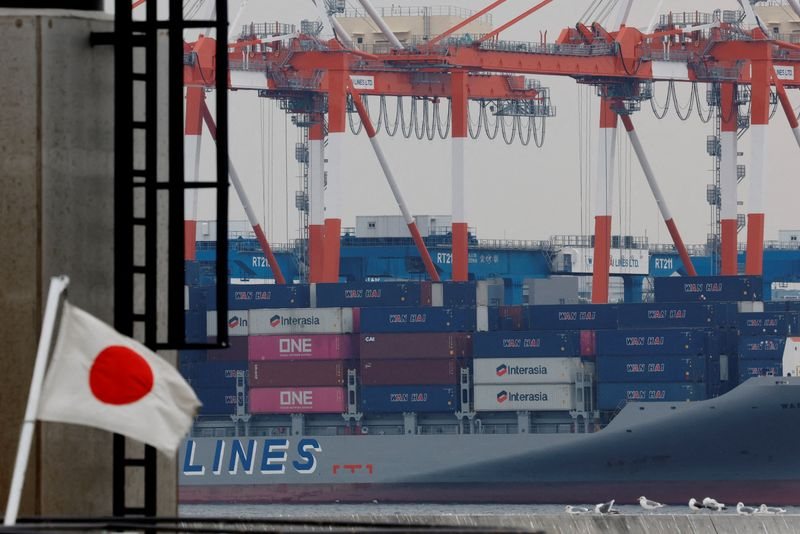
Japan recorded a trade deficit in September that was larger than economists had forecast, as export growth slowed and the country's trade balance deteriorated. The wider-than-expected shortfall underscores the fragility of Japan's export-led recovery at a time when global demand is softening and trade tensions are weighing on major economies.
The September figures showed exports expanding at a slower pace than in previous months, while imports continued to run at elevated levels. The combination pushed the monthly trade balance deeper into negative territory than analysts had anticipated, according to the data released this week. The result marks another month in which Japan has run a trade deficit, a pattern that has become more common as the country's energy and raw material import bill remains high.
Slower export growth is a particular concern for Japan because external demand has been one of the few reliable supports for its economy. The country's manufacturers depend heavily on shipments of automobiles, machinery, and electronic components to the United States, China, and other major markets. When those flows weaken, the effects ripple through factory output, corporate investment, and employment in industrial regions.
The bigger-than-expected deficit also complicates the outlook for the Bank of Japan, which has been navigating a delicate path between supporting growth and managing inflation. A sustained trade shortfall can weigh on the yen, which in turn raises the cost of imported energy and food, feeding back into consumer prices. Policymakers have repeatedly said they are watching external conditions closely as they set monetary policy.
Economists caution that a single month of data can be volatile, reflecting shifts in shipment timing, commodity prices, and seasonal factors. But the September reading adds to a broader picture of slowing momentum in global trade, with major economies reporting weaker demand for goods and rising uncertainty around trade policy. For Japan, whose economy has struggled to generate strong domestic growth, any sustained weakness in exports would be difficult to offset.
The trade figures come as Japan's government and central bank assess whether the economy can withstand further tightening of monetary conditions. A widening deficit could reduce the case for rapid policy normalization, even as inflation remains above the central bank's target. The next few months of trade data will be closely watched for signs of whether September's slowdown was a temporary dip or the start of a more durable trend.
4