Memorandum
- From
- Caroline Mercer via fox - Opinion
- Date
- Filed
- Economy·5 min to read
- Re
Fed Raises Rates as Voters Feel the Squeeze Before Midterms
ReFed Raises Rates as Voters Feel the Squeeze Before Midterms
The Federal Reserve raised interest rates for the first time since 2023, citing persistent inflation. The move signals economic strength but adds pressure on households already stretched by high prices, with potential political consequences ahead of the midterm elections.
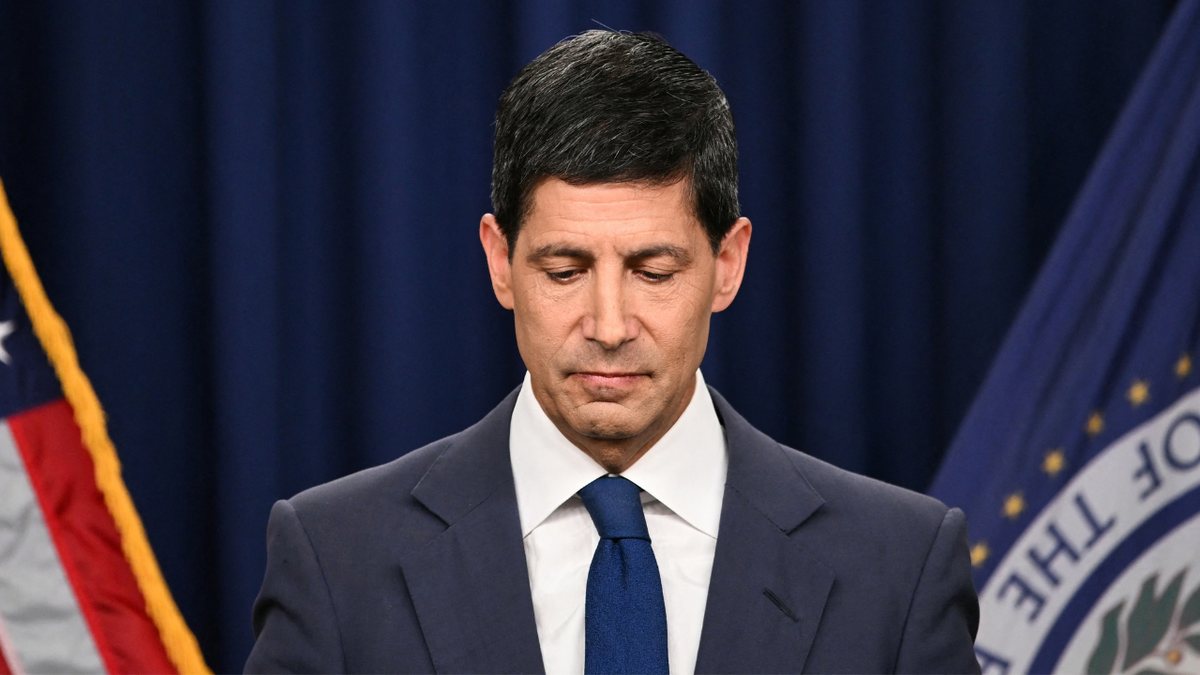
The Federal Reserve raised interest rates for the first time since 2023, a decision that underscores its view that inflation remains too high even as economic growth holds steady. The rate hike, announced Wednesday, is intended to cool demand by making borrowing more expensive. But it lands in an economy where many households are already strained by years of elevated prices, and where the political calendar is tightening ahead of the midterm elections.
Fed officials see an economy strong enough to absorb higher rates. Growth is solid, consumers are still spending, businesses are investing, and the labor market is holding up. Those are positive indicators by traditional measures. Yet the word economists keep using to describe American consumers — resilient — may be masking a more complicated reality. Families have absorbed higher prices, adjusted budgets, postponed purchases, and watched mortgage rates make homes less affordable. Many have leaned more heavily on credit cards, paying more interest for the privilege.
That resilience can come from strength, but it can also come from necessity. A family can be resilient because it is thriving, or because it has no choice. A consumer can keep spending while accumulating credit-card debt. A small business can keep its doors open while canceling the expansion it hoped to finance. The spreadsheet may call that resilience; voters may call it exhaustion. There comes a point when people no longer want to hear they are weathering the storm remarkably well — they want the storm to end.
The Fed's decision reflects sound economic theory: higher rates slow demand, which should eventually cool inflation. But that theory plays out in real lives. A small-business owner reconsiders the cost of a loan. A young couple runs the mortgage calculation again. A family watches another month of credit-card interest accumulate. None of them thinks monetary policy is working; they think life is getting harder.
Complicating the picture, some inflation pressure is not simply a story of Americans buying too much. Energy prices have surged amid geopolitical turmoil, tariffs have added pressure to some goods prices, and supply constraints persist. The Fed has a powerful tool for suppressing demand, but it does not have a tool for producing oil. As economist Mitch Roschelle put it, monetary policy can suppress demand, but it cannot manufacture supply. The policies Washington says will eventually increase supply may take years to bear fruit. Voters are not living years from now; they are voting this November.
That leaves consumers caught in the middle. Policies that might increase supply take time, while the interest-rate hike designed to suppress demand has immediate effects on the cost of money. Washington lives in the eventually; consumers live in the now. Voters may not settle debates over whether inflation began with pandemic spending, tariffs, oil prices, or consumer demand. They know what a gallon of gas costs, what they spent at the grocery store, and whether their credit-card balance is bigger than a year ago.
The political dimension is unavoidable. President Trump has repeatedly called for lower interest rates, but the independent Federal Reserve concluded rates needed to go higher. Democrats will point to the decision as evidence that inflation remains a problem. Republicans will point to energy prices, geopolitical turmoil, and other forces beyond the president's control. Both arguments will be made loudly, but voters may hear something simpler: the president has said prices are coming under control, and the Fed just said inflation remains elevated and raised rates to fight it. That does not settle who caused inflation — it signals inflation is not over.
Washington thinks about causation; people think about experience. Economic statistics and economic sentiment can tell different stories because statistics measure the economy while people measure their lives. As the midterms approach, that gap may matter more than any single data point.