
Memorandum
- From
- Connor Quincy via FOX News
- Date
- Filed
- Economy·5 min to read
- Re
Experts Criticize Mamdani's Grocery Plan as Taxpayer-Funded Illusion
ReExperts Criticize Mamdani's Grocery Plan as Taxpayer-Funded Illusion
New York City mayoral candidate Zohran Mamdani's proposal for 30% cheaper groceries at city-backed stores is facing sharp criticism from economists who argue the discounts would be an illusion paid for by taxpayers and would harm private grocers.
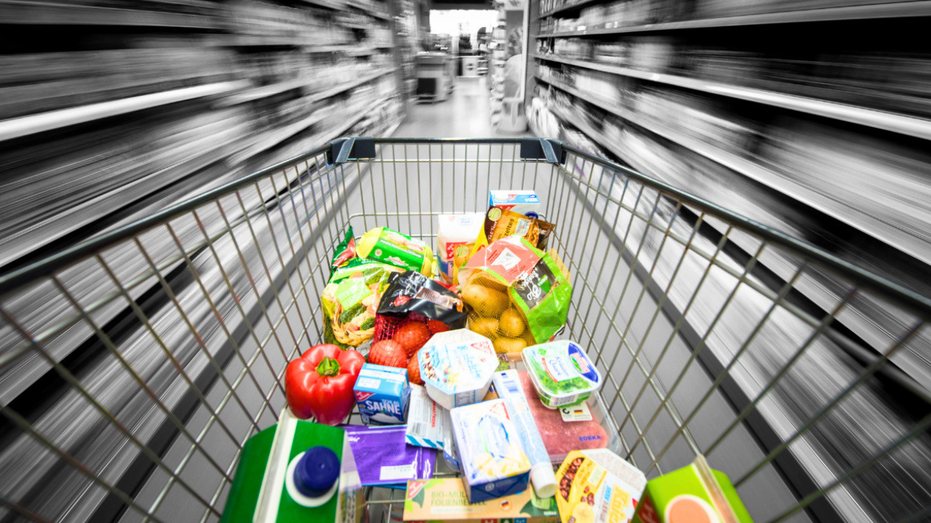
New York City mayoral candidate Zohran Mamdani is facing mounting skepticism over his plan to offer a 30 percent discount on a core basket of groceries at city-backed stores, with economists calling the proposal an illusion that would ultimately shift costs onto taxpayers. The plan, which Mamdani says would save the average New Yorker about $1,000 a year, has drawn scrutiny over whether its financial assumptions hold up under basic economic principles.
The core question, economists say, is straightforward: If grocery prices have risen 33 percent nationwide since 2019, how can city-backed stores sell a cart of groceries at prices 30 percent below private competitors? The proposal relies on eliminating major overhead costs that private grocers face, including rent and property taxes, while contracting with private operators to run the stores. City Hall would set pricing requirements and operating standards, provide the locations, and absorb occupancy costs. A core basket of everyday groceries — including fresh produce, meat, seafood, and about 20 categories of pantry staples, dairy, and refrigerated goods — would have prices locked monthly rather than fluctuating week to week.
Richard Stern, vice president of the Plymouth Institute for Free Enterprise at Advancing American Freedom, argued that the proposal ultimately uses New York City budget money to make up the difference between the discounted prices and the cost of operating the stores. « They're just going to use New York City budget money to insure the discount, » Stern told Fox News Digital. Adam Lehodey, a policy analyst at the Manhattan Institute, went further, saying the city's ownership model masks the true cost. « The 30% savings that Mamdani announced on his government-owned stores are an illusion, » Lehodey said. « Taxpayers will foot the bill for millions of dollars in subsidies, and they will operate on government-owned land with rents waived. New Yorkers will still be paying the full price, just indirectly. »
Lehodey also warned that pricing groceries well below market rates could create unintended consequences, such as people buying discounted goods to resell elsewhere, and shortages caused by artificially low prices encouraging overconsumption. E.J. Antoni, chief economist at the Heritage Foundation, questioned the plan's financial sustainability, noting that grocery stores already operate on razor-thin profit margins of around 2 percent. « A 30% discount at stores with a 2% profit margin is simply a loss for taxpayers who will have to make up the difference, » Antoni said. He added that artificially low prices would harm small businesses that lose sales to taxpayer-subsidized grocery stores, effectively shifting grocery costs from the checkout line to taxpayers while creating a competitive disadvantage for private supermarkets.
Mamdani's office announced that the city has allocated $70 million in capital funding to open five municipal grocery stores — one in each of New York City's five boroughs. The first store is expected to open in Hunts Point in the Bronx by the end of 2027, with additional locations planned for East Harlem, Brooklyn, Queens, and Staten Island before the end of the mayor's first term. Under the proposal, private grocery operators will manage day-to-day operations, including staffing, merchandising, and product sourcing, while the city sets pricing and absorbs major occupancy costs. The administration claims the plan will keep grocery costs predictable and stable, delivering savings of about $90 per month per visitor.
Fox News Digital asked Mamdani's office how the administration calculated the projected 30 percent discount, whether any independent economists reviewed its financial assumptions, and how much ongoing taxpayer support would be required to sustain the stores. The office did not immediately respond. Critics argue that without independent verification, the plan remains an untested promise that could burden New Yorkers with hidden costs while disrupting the existing grocery market. The debate highlights the broader challenge of addressing high food prices without creating new economic distortions or straining public finances.
98