Memorandum
- From
- Delaney Sawyer via Fortune | FORTUNE
- Date
- Filed
- Economy·5 min to read
- Re
Diesel Prices and Canada Trade War Push US Fishermen to the Brink
ReDiesel Prices and Canada Trade War Push US Fishermen to the Brink
Commercial fishermen in Washington, Alaska, Maine, and Rhode Island are struggling with diesel prices near $6 per gallon, NOAA budget cuts, and trade tensions with Canada, threatening the viability of the US seafood industry and potentially reshaping key midterm races.
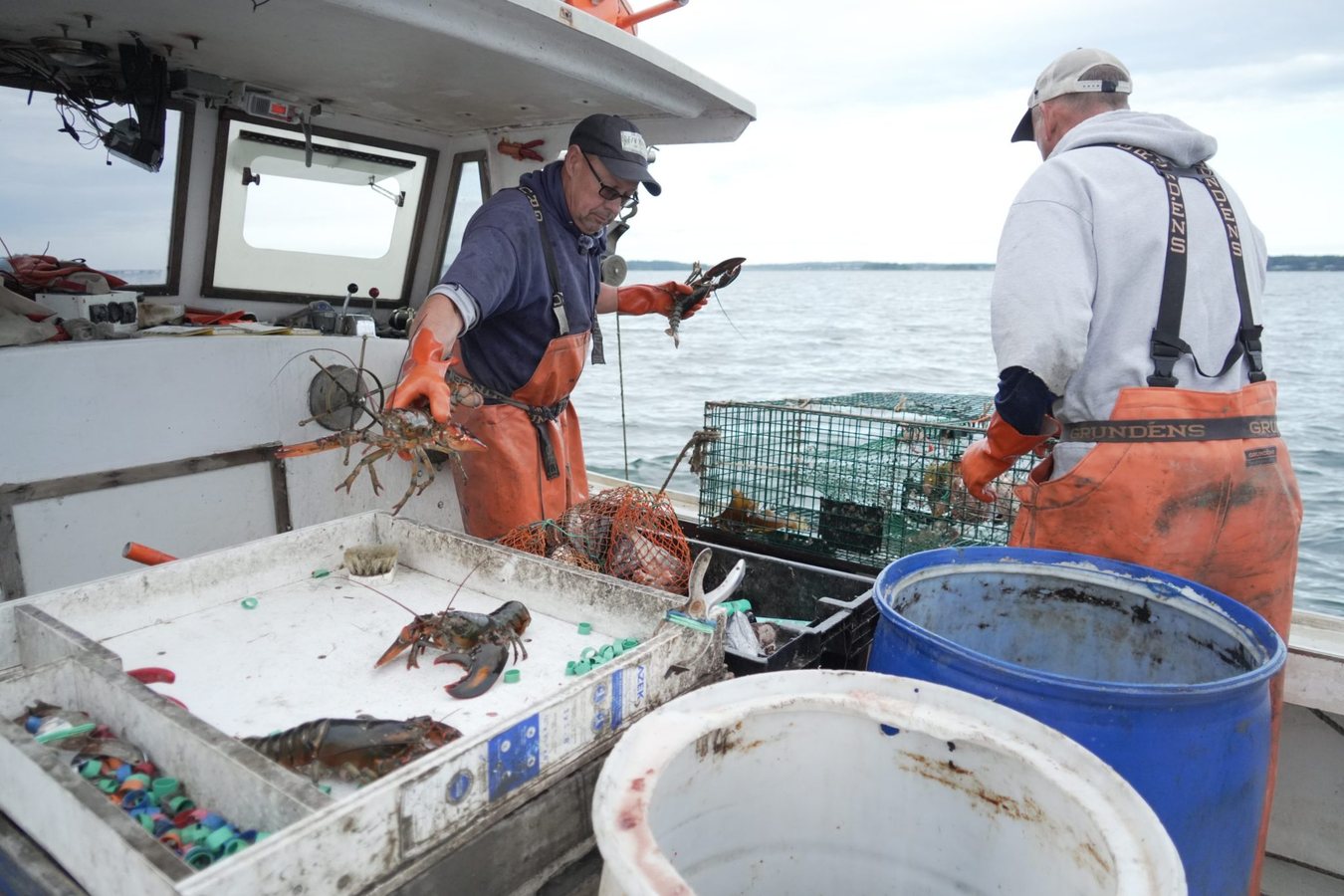
Commercial fishermen across the United States are confronting a convergence of pressures that is making it increasingly difficult to operate profitably, with soaring diesel prices, a trade war with Canada, and budget cuts to the National Oceanic and Atmospheric Administration combining to undermine the viability of some fisheries. The strain is particularly acute in states such as Washington, Alaska, and Maine, where competitive House and Senate races could be influenced by the industry's growing dissatisfaction.
John Evich, a commercial fisherman who works in Washington and Alaska, has voted for President Donald Trump three times, believing he would fight for the industry. But Evich now says the high cost of doing business at sea has made him weary. «If somebody came along that was going to do a better job, I would vote for them in a heartbeat,» he said. His sentiment is echoed throughout the seafood industry, where frustration over fuel costs and regulatory disruption is mounting.
Diesel fuel, which powers nearly the entire US commercial fishing fleet, has surged to around $6 per gallon, up from less than $4 a year ago. The increase has been driven in part by the war with Iran. Bonnie Brady, executive director of the Long Island Commercial Fishing Association, said the high price of fuel is «one of the most immediate pressures on us as commercial fishermen.» She noted that sometimes fuel prices are so high that fishermen cannot afford to leave the dock at all. «It determines whether a trip is economically viable, what the crew earns and whether necessary vessel maintenance can be performed,» Brady said.
In Rhode Island, fisherman Chris Brown, who targets fluke and squid out of Point Judith, was blunt: «It's huge. It's crazy. Thank you, Donald Trump,» he said sarcastically.
The trade war with Canada has added another layer of uncertainty. Canada exempted US fish and seafood products from its counter-tariffs, but unease remains because Canada is the largest US seafood trading partner. The two countries are deeply interconnected in seafood processing, fishing gear manufacturing, and shared fishing grounds for species like lobster and salmon. Patrice McCarron, executive director of the Maine Lobstermen's Association, said that before the exemption, US lobstermen risked becoming «collateral damage in a broader trade dispute.» Steve Train, a lobster fisherman from Long Island, Maine, who describes himself as a right-leaning centrist, said, «I get the standing up to a bully concept, but too many people will be caught in the middle of this. Both sides need to reconsider these tariffs, and they need to reconsider soon.»
Cuts to NOAA, which regulates fisheries, have also troubled fishermen. Staff reductions have slowed the agency's response to industry needs and led to a decrease in weather balloons used to gather data that fishermen rely on. John Sackton, founder of and a longtime industry analyst, described an «unbelievable wave of disruption» targeting NOAA and fisheries science, compounding the effects of tariffs and rising costs. «Having those costs be so much higher this year has really undermined the viability of some of our fisheries,» said Alaska fisherman Linda Behnken.
Trump has long positioned himself as a pro-fishing president, rolling back Obama-era restrictions on the Northeast Canyons and Seamounts National Monument and promising further regulatory relief in response to a 2025 executive order. A 2026 NOAA survey found that 70% of commercial fishing crews thought fishing rules were too restrictive. But the recent disruptions may be eroding that support. «Now what's happened is that there has been this unbelievable wave of disruption from everything — targeting NOAA and fisheries, science and even weather reporting that people rely on,» Sackton said.
With midterm elections approaching, the discontent among fishermen could have political consequences in key states. Evich, for one, remains open to change. «I'm for whatever has to happen for the greater good in the long run for my family and my country,» he said.
2