
Memorandum
- From
- Caroline Mercer via All News
- Date
- Filed
- Economy·5 min to read
- Re
US retail sales rise moderately in October while import prices climb above forecasts
ReUS retail sales rise moderately in October while import prices climb above forecasts
Retail sales in the United States increased moderately in October, while import prices rose more than economists had expected, according to new government data.
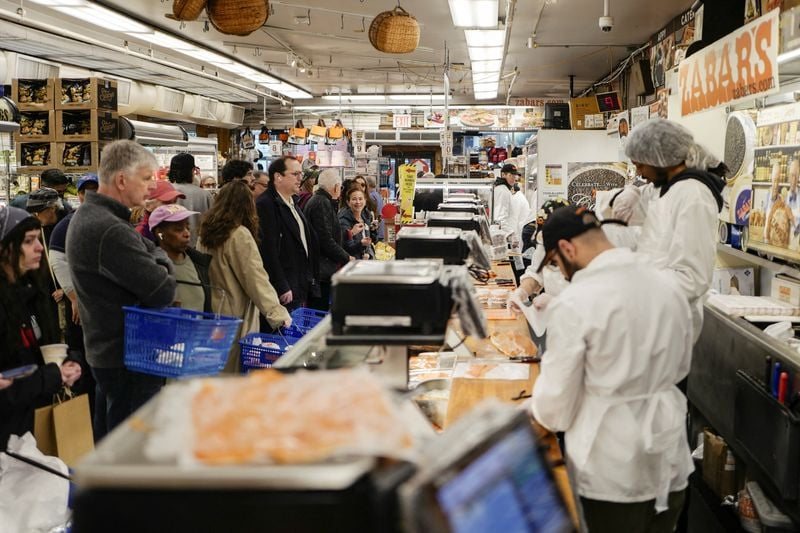
American shoppers spent somewhat more at stores, restaurants and online retailers in October, a sign that consumer demand held up in the closing weeks of the year. At the same time, prices paid for goods arriving from overseas rose faster than analysts had anticipated, adding a new wrinkle to the outlook for inflation.
The mixed picture emerged from two closely watched government reports on the American economy. Taken together, they suggest that households continued to spend even as the cost of imported products moved higher, a combination that economists watch closely when assessing how much room the Federal Reserve has to ease borrowing costs.
Retail sales, which measure the total receipts of stores and other businesses that sell goods to consumers, posted a moderate increase for the month. The gain indicates that buyers were still willing to open their wallets for everyday purchases, from groceries and clothing to electronics and dining out. Economists generally treat retail sales as one of the most direct gauges of consumer spending, which accounts for the largest share of economic activity in the United States.
Import prices, by contrast, rose by more than economists had projected. The index tracks what American businesses pay foreign suppliers for the goods they buy abroad, and it is often considered an early signal of pressure that can later pass through to consumer prices. When import costs climb quickly, companies may either absorb the expense, squeezing their profit margins, or pass it along to customers in the form of higher shelf prices.
The divergence between the two figures is what drew the attention of market watchers. A solid retail sales number points to resilient demand, which can support growth but also keep upward pressure on prices. A stronger-than-expected rise in import costs points in the same direction, raising the possibility that inflation could prove stickier than some forecasters had hoped. Financial markets tend to react quickly to such signals, since they influence expectations about interest rates, bond yields and corporate earnings.
Policymakers at the Federal Reserve have been weighing how quickly to reduce interest rates after a period of aggressive tightening aimed at bringing inflation back toward the central bank's 2 percent target. Strong consumer spending gives officials reason to move cautiously, because it suggests the economy does not yet need additional support. Persistent increases in import prices add another consideration, since they can complicate the path toward lower inflation even when domestic demand is cooling.
For households, the figures carry practical implications. Moderate growth in spending suggests that many Americans remain employed and confident enough to make purchases, though rising import costs could eventually show up in the price of cars, appliances, apparel and other goods that rely heavily on foreign production. Retailers, meanwhile, must balance the desire to keep customers buying with the need to protect margins as their own costs change.
The data also offer a window into the role of trade in the broader economy. The United States imports a large volume of manufactured goods, components and consumer products, so movements in the prices of those imports can ripple through supply chains and into the final prices that shoppers see. Changes in exchange rates, shipping costs and trade policy can all influence what American buyers pay for goods made abroad.
Economists will be looking to subsequent releases to determine whether October's pattern represents a lasting trend or a temporary fluctuation. Analysts typically examine several months of data before drawing firm conclusions, and revisions to earlier figures can alter the picture. For now, the combination of steady spending and firmer import prices leaves the outlook open, with the balance between growth and inflation remaining a central question for businesses, households and policymakers alike.
45

Source: US retail sales increase moderately; import prices rise above expectations