Memorandum
- From
- Connor Quincy via IGN Articles
- Date
- Filed
- Culture·4 min to read
- Re
Lanterns Showrunner Explains the Show’s Approach to Using the Green Lantern Ring
ReLanterns Showrunner Explains the Show’s Approach to Using the Green Lantern Ring
Lanterns showrunner Chris Mundy discusses the creative philosophy behind when and where the Green Lantern ring is used in the HBO series, emphasizing character-driven storytelling over spectacle.
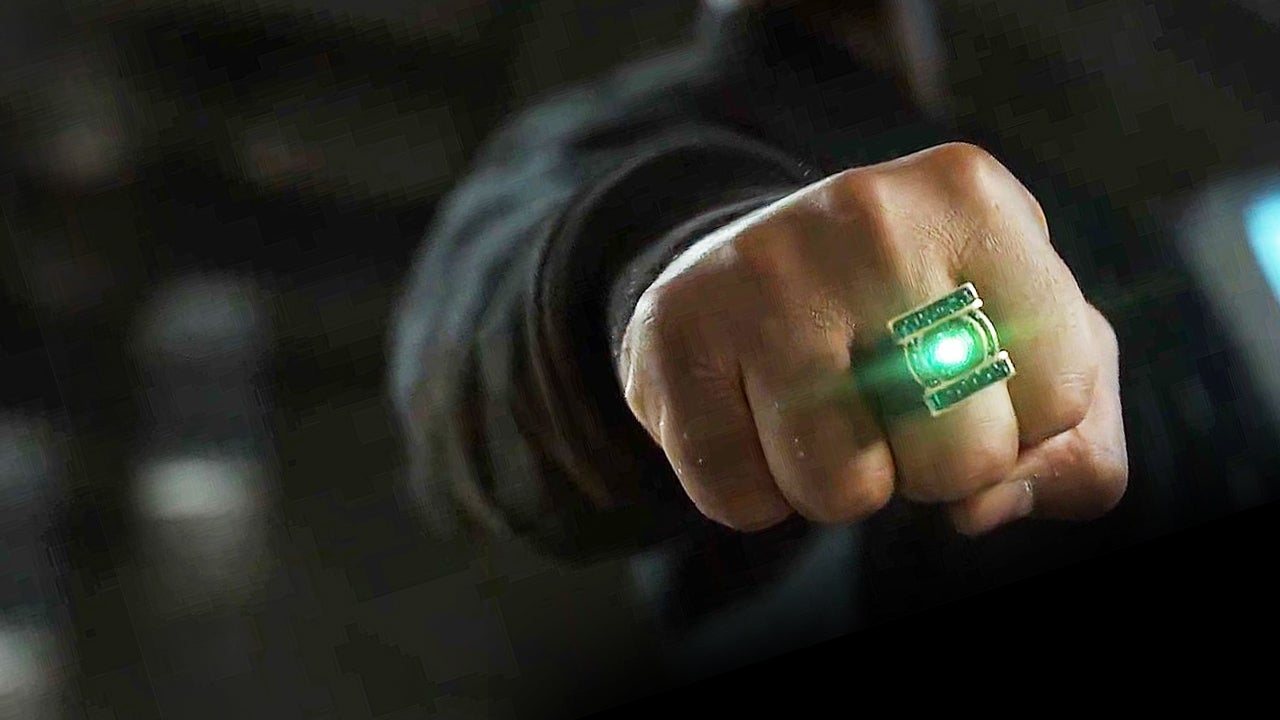
HBO’s Lanterns has introduced a deliberate, character-first approach to the Green Lantern ring, according to showrunner Chris Mundy. In an interview following the release of Episode 2, Mundy explained that the creative team carefully considered every use of the iconic power ring, treating it as a storytelling tool rather than a special effect.
“It’s like Kyle says in the bar in the pilot, ‘When and where to use the ring is the whole ballgame,’” Mundy said, referencing a line delivered by Kyle Chandler’s Hal Jordan. The showrunner noted that the decision on when to deploy the ring was not taken lightly. “That was a character thing for Hal, but it was also sort of us talking to ourselves a little bit,” he continued. “We wanted to earn the times we used it in a big way.”
The series, part of James Gunn and Peter Safran’s DC Universe, has drawn attention for its grounded, small-town detective tone while slowly unveiling its cosmic elements. Episode 2 ends with Hal Jordan flying to Oa, the home of the Guardians of the Universe, to visit his former mentor and now-incarcerated arch-nemesis Sinestro, played by Ulrich Thomsen. The scene marks the first time in the show that Hal suits up for a space mission, offering viewers a glimpse of the larger universe beyond Nebraska.
Mundy explained that the writers aimed to build trust with the audience by starting small. “We start small and start kind of playful with the $20 bill and all those kinds of things, so that each time we used it, people trusted us, like, ‘Oh, they’re not just plastering everything with it all the time,’” he said. The approach was to let the characters dictate when the ring appears, ensuring that any use felt organic to the story rather than inserted for spectacle.
As the season progressed, the team discovered that the show could accommodate more ring usage than initially anticipated. “And then as we went, we realized the show could hold more of [the ring’s powers] than maybe we would’ve guessed at the beginning, which was great,” Mundy said. “It felt good that we could use it a lot and it felt organic.”
The premiere episode made waves by killing off Hal Jordan early in the narrative, a bold choice that divided some fans. Episode 2 shifts focus to the central mystery, with John Stewart, played by Aaron Pierre, retrieving his mentor’s lantern while Hal investigates Sheriff Kane’s jurisdiction in Rushville, Nebraska. The show’s blend of crime procedural and superhero mythology continues to define its identity, with the ring serving as a bridge between the two genres.
Mundy’s comments underscore a broader creative philosophy: the ring is not a crutch but a narrative device that must earn its place in every scene. For viewers wondering whether the ring is being used enough, the showrunner’s answer suggests that quality and context matter more than frequency. As Lanterns unfolds, the balance between Earthbound drama and cosmic adventure will likely remain central to its appeal.
46