Memorandum
- From
- Connor Quincy via Fortune | FORTUNE
- Date
- Filed
- Culture·5 min to read
- Re
Ben Affleck Calls AI Job-Loss and Doomsday Fears 'Propaganda'
ReBen Affleck Calls AI Job-Loss and Doomsday Fears 'Propaganda'
Ben Affleck says warnings that AI will wipe out jobs or destroy humanity amount to propaganda, arguing the technology is another form of computing that can augment film workers rather than replace them.
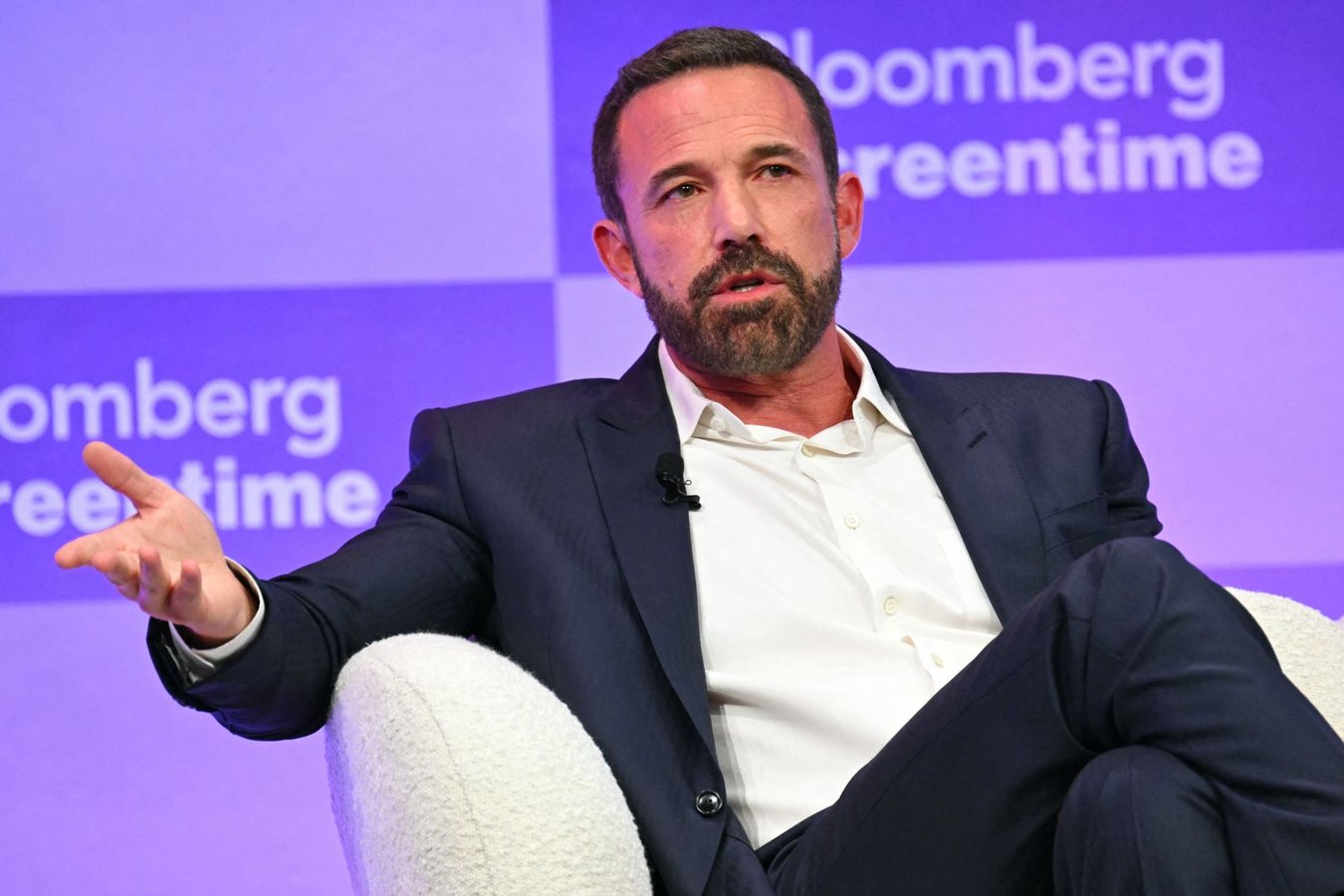
Ben Affleck is pushing back against the most alarming predictions about artificial intelligence, calling claims that the technology will eliminate jobs or even end humanity a form of propaganda. The actor and screenwriter, long one of Hollywood's most vocal AI supporters, said the fear fades once people actually use the tools and see them as a practical advance rather than an alien threat.
Speaking to Bloomberg, Affleck described the shift in perception that comes with hands-on experience. Once AI moves from being a nebulous, abstract and terrifying force — the idea that it will kill everyone or wipe out half of white-collar jobs — and people see what it actually is, he said, it looks like another form of computing, a set of tools and a technological advancement. He argued that much of the anxiety surrounding the field has been amplified beyond what the technology itself warrants.
Affleck's position carries unusual weight in the industry because he has put money behind it. He founded the AI-focused filmmaking startup InterPositive in 2022, and the venture was reportedly acquired by Netflix earlier this year for $587 million. The deal drew a cynical read from some critics, who suggested the streaming giant bought the company so it could pursue questionable uses of AI while attaching a respected filmmaker's name to the effort.
When asked how AI figured into the production of his new film Animals, Affleck declined to detail its specific role. He explained that his business depends on sustaining the illusion of reality, comparing disclosure to a magician announcing there is another rabbit hidden under the table or that an audience member is a plant. Revealing the mechanics, he suggested, spoils the effect.
His enthusiasm is not unconditional. Affleck said his concerns center on education and the risk of dependency, pointing to what he described as a 30% rise in the number of A grades awarded at colleges over the last three years. He framed the issue as a tension between using AI as a tool and developing learned helplessness, and he tied those worries to his own children's schooling and the question of responsible use.
Within Hollywood, Affleck said he has not seen the technology deployed simply to slash costs or do heinous things. Instead, he described AI as augmenting workers rather than replacing them, noting that films using it have kept the same number of people — and that, technically, more people are being employed. That account runs against broader industry trends: Labor Department data show the motion picture and video production sector shed 49,000 jobs between 2016 and 2026, a decline of 21%.
Affleck is not alone in arguing that the industry must engage with AI rather than resist it. Director James Cameron, who made The Terminator, joined the board of Stability AI in 2024. Actor Natasha Lyonne co-founded Asteria Film Co., an artist-led animation and film studio developing copyright-friendly generative AI, and has argued that Hollywood should help shape how the tools are built. At a Fortune Brainstorm AI conference, she said human beings need to be involved in AI so the tools do not run us.
Matthew McConaughey has made a similar case, telling a CNN town hall in February that the technology is not coming but is already here. He has reportedly filed trademarks covering his image and signature expressions to make it harder for AI companies or bad actors to simulate him without permission, and he has warned that sitting on the sidelines with a moral plea is not enough.
Taken together, the comments reflect a widening split in the entertainment business over how quickly to adopt AI, how to regulate it, and how to protect the people whose work it touches. Affleck's answer leans toward adoption, with the caveat that responsible use — particularly in schools — remains the part that genuinely worries him.
3