Memorandum
- From
- Delaney Sawyer via Variety
- Date
- Filed
- Culture·4 min to read
- Re
Kelly Clarkson Says AI Can Do Amazing Things but Should Not Compete on Music Charts
ReKelly Clarkson Says AI Can Do Amazing Things but Should Not Compete on Music Charts
Kelly Clarkson shared her controversial view on artificial intelligence during a podcast appearance, saying she loves AI but believes it should not compete with human artists on music charts.
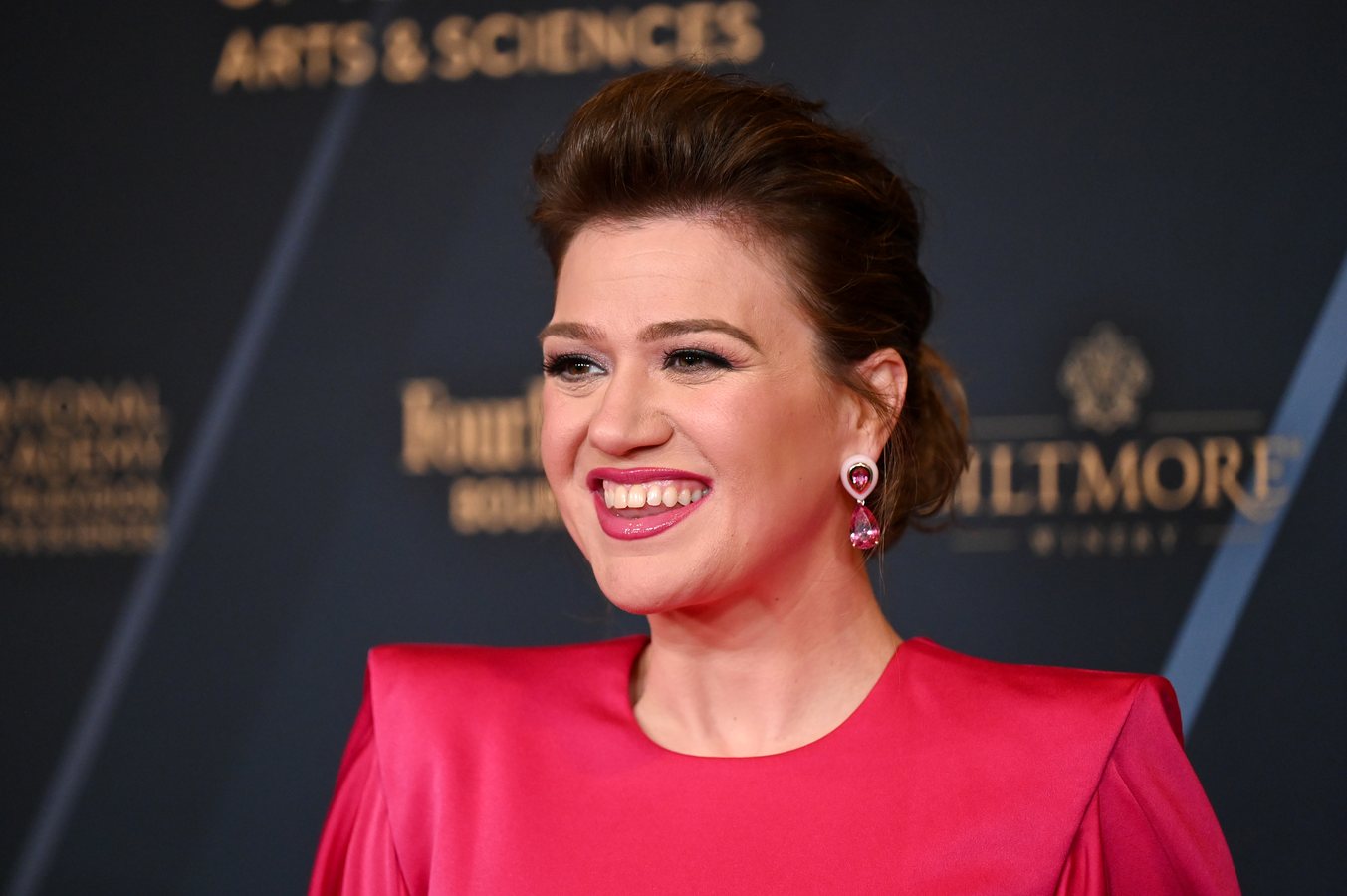
Kelly Clarkson has weighed in on artificial intelligence, saying she loves the technology and believes it can do amazing things, but she does not think AI-created music should compete with human artists on the same charts. The pop star and daytime talk show host shared what she described as her controversial opinion during an appearance on the Las Culturistas podcast.
Clarkson said she embraces AI and sees its potential, but she drew a clear line when it comes to the music industry. In her view, AI-generated work should not be placed on the same commercial playing field as music made by people. The distinction matters because charts are not just a measure of popularity. They influence radio play, playlist placement, industry awards, and the broader economics of a recording career.
Her comments arrive as AI tools have become increasingly capable of producing songs, vocals, and instrumentals that can be difficult for casual listeners to distinguish from human-made recordings. That progress has triggered debates across entertainment about consent, credit, compensation, and whether existing chart rules are equipped to handle a surge of machine-generated releases. Clarkson did not propose a specific policy or technical fix, but her position adds a prominent voice to a conversation that has been building among artists, labels, and fans.
Clarkson is not a reflexive critic of the technology. She framed her view as supportive of AI in general, which sets her apart from some artists who have called for stricter limits or outright bans. Her concern is narrower and more practical. She appears to accept that AI can be a creative tool and a source of innovation, while questioning what happens when its output is treated as equivalent to the work of human musicians in a competitive marketplace.
The chart question is central to how the music business measures success. Rankings shape visibility, and visibility drives revenue. If AI acts were allowed to compete directly, human artists could find themselves at a disadvantage against systems capable of producing material at enormous scale and speed. That prospect raises unresolved questions about how streaming platforms and chart compilers should classify and report AI-generated music.
Clarkson's remarks also touch on a broader cultural anxiety about authenticity. Listeners often form emotional connections to songs because they believe a person wrote or performed them. When that assumption is uncertain, the relationship between artist and audience can change. Her comments suggest that even a technology enthusiast can see value in preserving a separate space for human creation, at least when it comes to the charts that define commercial achievement.
The podcast appearance gave Clarkson a platform to address a topic that increasingly intersects with her work in music and television. As a singer with a long chart history and as a host who interviews performers, she sits at the intersection of artistic craft and industry competition. Her willingness to call her own opinion controversial indicates she recognizes that the issue divides people, including those who otherwise welcome AI advances.
For now, the debate remains largely unresolved. Industry groups, streaming services, and chart organizations continue to grapple with how to handle AI-generated content, and no universal standard has emerged. Clarkson's stance adds a high-profile perspective that favors keeping human and AI artists in separate competitive categories, even as she expresses enthusiasm for what the technology can achieve.
8