Memorandum
- From
- Derek Weston via FOX News
- Date
- Filed
- Culture·4 min to read
- Re
Ancient industrial complex discovered near biblical city of Jaffa
ReAncient industrial complex discovered near biblical city of Jaffa
Archaeologists in Israel have uncovered a 1,300-year-old industrial and commercial complex near Ramat Gan, close to the biblical city of Jaffa. The site, dating to the Umayyad and Abbasid periods, includes streets, shops, warehouses, pottery kilns, and numerous artifacts.
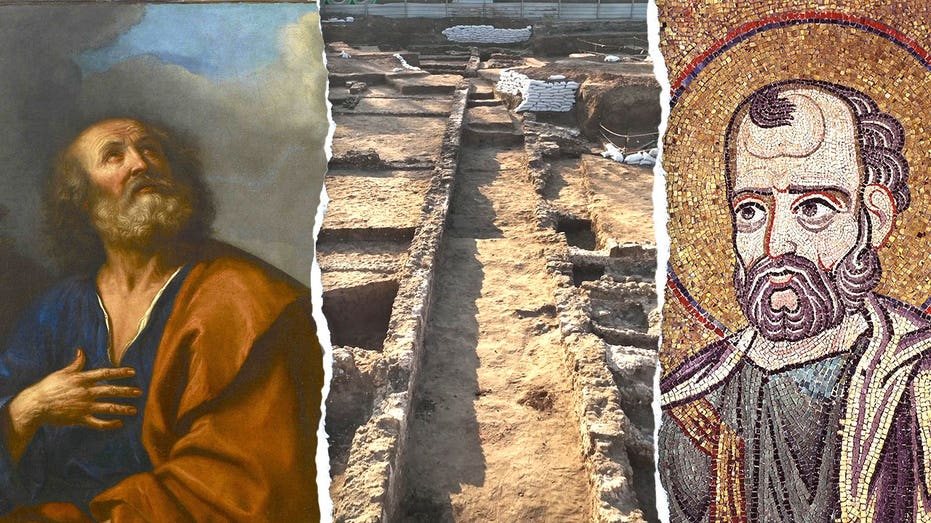
Archaeologists in Israel have uncovered a sprawling 1,300-year-old industrial and commercial complex near Ramat Gan, close to Tel Aviv, in a discovery that sheds new light on the region's early medieval economy and trade networks. The excavation, conducted ahead of construction of a new bus terminal, was announced earlier in August by the Israel Antiquities Authority (IAA).
The complex dates to the seventh or eighth century A.D., during the Umayyad and Abbasid periods, and stood near a major route connecting Jaffa, Ramla, and Jerusalem. Known as Joppa in biblical times, Jaffa appears prominently in both the Old and New Testaments, including in the accounts of the prophet Jonah and St. Peter. The site's location near this historic thoroughfare suggests it played a role in regional commerce and communication.
Excavation directors Yoav Arbel and Lior Rauchberger said in a joint statement that the findings "exceeded all expectations." They described an "organized, planned complex featuring straight, intersecting streets," with rooms lining the streets that served as shops or warehouses, along with plastered industrial facilities and pottery kilns. The directors noted that the complex appeared to have been carefully designed by engineers and constructed with the knowledge of regional authorities, who may have initiated or funded the project.
"Possibly, it stood on a secondary road branching off from this central route," the directors added. "The area also offered fertile agricultural land and available water sources." The architectural remains included streets, pottery kilns, shops, and warehouses, with images from the excavation showing archaeologists working among the exposed structures.
Officials from the IAA said the finds included "numerous bronze tableware and cosmetic implements, iron pickaxe heads, a sickle and numerous nails, dozens of coins and a large quantity of fragments of local and imported pottery and glass vessels." The organization said these artifacts "provide a vivid reflection of the period's culture, trade and economy." During the Umayyad and Abbasid periods, the region was home to diverse Muslim, Christian, Jewish, and Samaritan communities, though archaeologists are unsure which group the people at the site belonged to.
The complex operated for about 150 years before being abandoned "under circumstances that remain unknown at this stage," according to officials. The site was resettled in the 10th century, when residential buildings and production facilities were built there, and numerous tabuns — clay-baking ovens — were installed. It was abandoned again in the late 11th century, shortly before the Crusaders arrived, and was never inhabited again.
The discovery is one of several significant archaeological finds announced in Israel in recent months. Earlier this summer, officials announced the discovery of two roughly 1,700-year-old marble statues near Binyamina. Before that, archaeologists uncovered an ancient tunnel in Jerusalem near a site associated with the biblical Kingdom of Judah.
189