
Memorandum
- From
- Caroline Mercer via Fortune | FORTUNE
- Date
- Filed
- Culture·5 min to read
- Re
American Girl at 40: A Brand Built on Complex History Now Sells Nostalgia
ReAmerican Girl at 40: A Brand Built on Complex History Now Sells Nostalgia
As American Girl marks its 40th anniversary, a historian argues the Mattel-owned brand has traded its original nuanced storytelling of U.S. history for nostalgia-driven products, missing an opportunity to tell difficult stories during the nation's semiquincentennial.
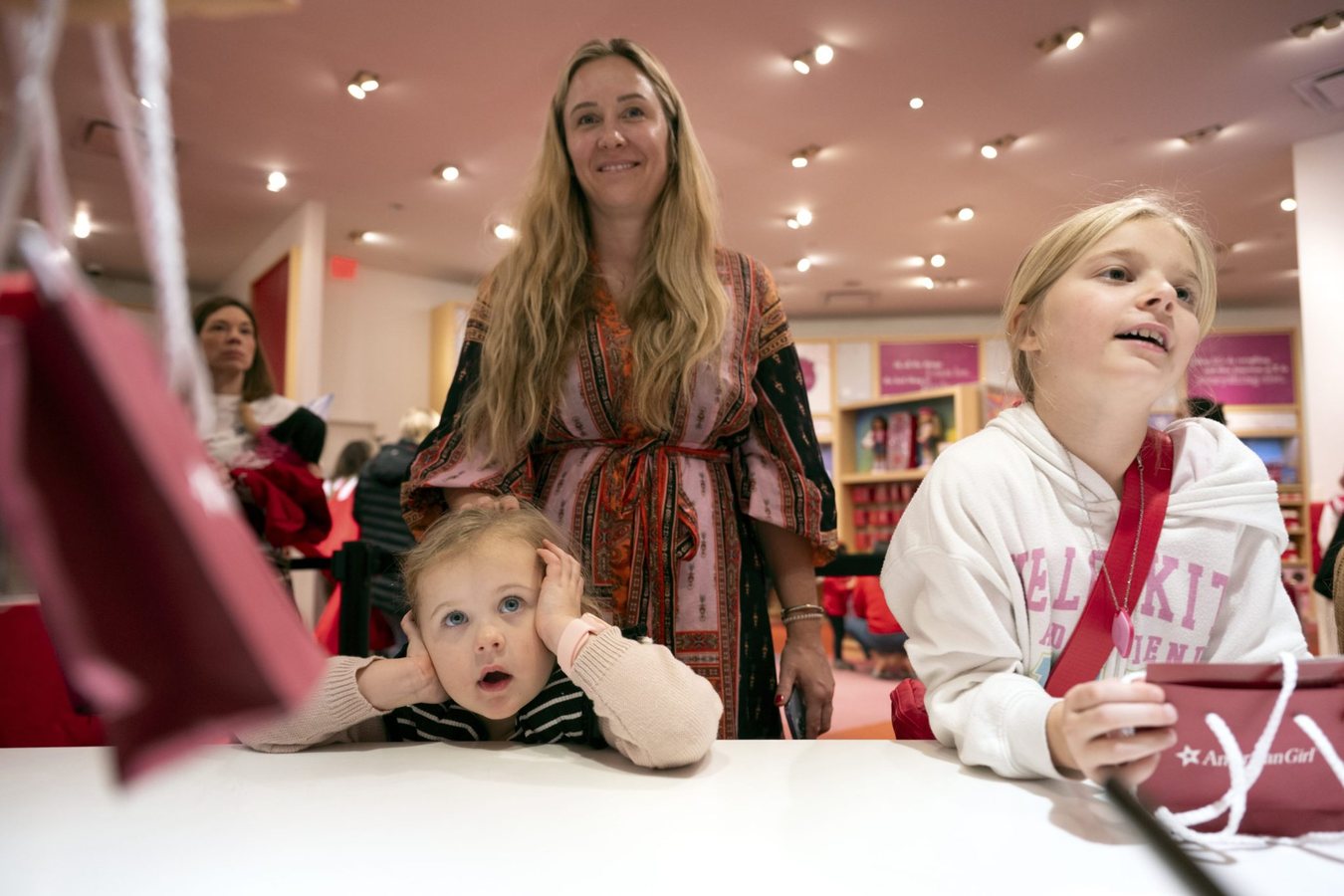
American Girl, the company that built a franchise on 18-inch dolls and the layered narratives of American history, is celebrating its 40th anniversary at a moment when the nation itself is marking 250 years of independence. But according to historian Tara Strauch, the Mattel-owned brand has drifted from its founding mission of teaching girls about an imperfect America, replacing complex historical characters with nostalgia-driven products and sanitized modern stories.
Strauch, an associate professor of history at Centre College, argues that the original American Girl characters were designed to show girls a nuanced past. Addy's family escapes slavery only to encounter a hierarchy of color in the North. Samantha Parkington navigates grief and the absence of child labor laws. Kirsten struggles to learn English while witnessing the treatment of Native Americans. These characters, she writes, lived in unfair and unequal societies, made mistakes, and learned lessons — all while inviting young readers to imagine a better future.
The contrast with today's brand is stark, Strauch contends. In recent years, American Girl has closed dozens of stores and undergone restructuring. The company has introduced modernized versions of classic dolls, such as Kirsten with space buns, and leaned into brand collaborations. The 2026 Girl of the Year, Raquel Reyes, is a Mexican American girl from Kansas City, Missouri, and the great-great-granddaughter of Samantha Parkington. Yet Strauch notes that Raquel's story blends heritages without any real friction or historical argument, offering nostalgia rather than the kind of difficult questions the original characters raised.
Strauch places this shift in a broader cultural context, pointing to a 2025 executive order from President Donald Trump that frames American history as an unparalleled legacy of advancing liberty and rejects narratives that emphasize racism, sexism, and oppression. The order, she argues, leaves no room for a history that is simultaneously about progress and about persistent injustice. American Girl, she says, once offered exactly that kind of nuanced telling.
Through the fictional Felicity, introduced in 1991, girls learned that the American Revolution was not a simple triumph but a brutal civil war that tore apart families and communities. In the books, Felicity's father tells his apprentice that war is like a terrible illness — everyone suffers, people die, and survivors are weakened for a long while. The characters support the new nation, but they do so knowing it is an imperfect solution to their problems.
Rowland's vision, Strauch acknowledges, was impossibly optimistic. Addy flees slavery, learns to read, and navigates northern racism all in one year. Upper-class Samantha befriends poor Nelly and changes her snobby grandmother's opinion on Irish immigration. All of the stories end happily. But they were written for children, and Strauch suggests that Mattel could tell more complicated stories to the adults who have carried their love of the brand into adulthood.
She points to the jokes and wishes circulating among fans: an American Girl who survived the Triangle Shirtwaist Factory Fire, one who lived in a Japanese internment camp, one whose family came to the country fleeing violence. These are the stories, Strauch argues, that could speak to the present moment of polarization and oversimplified historical narratives.
Adult consumers have stabilized the brand, which has posted profits over the past five quarters after years of losses. But what they are buying, Strauch says, is nostalgia — Molly-plaid tumblers and reminders of the brand's early years — rather than layered histories. In an era when public debate about American history is increasingly polarized, she concludes that Americans can handle complex stories. American girls were raised on them.
56