
Memorandum
- From
- Derek Weston via Carscoops
- Date
- Filed
- Culture·4 min to read
- Re
Acura ZDX Named Among Most Cursed Automotive Nameplates
ReAcura ZDX Named Among Most Cursed Automotive Nameplates
The Acura ZDX, discontinued twice after poor sales, is being cited as one of the most cursed nameplates in automotive history alongside the Edsel, as automakers weigh the risks of reviving failed model names.
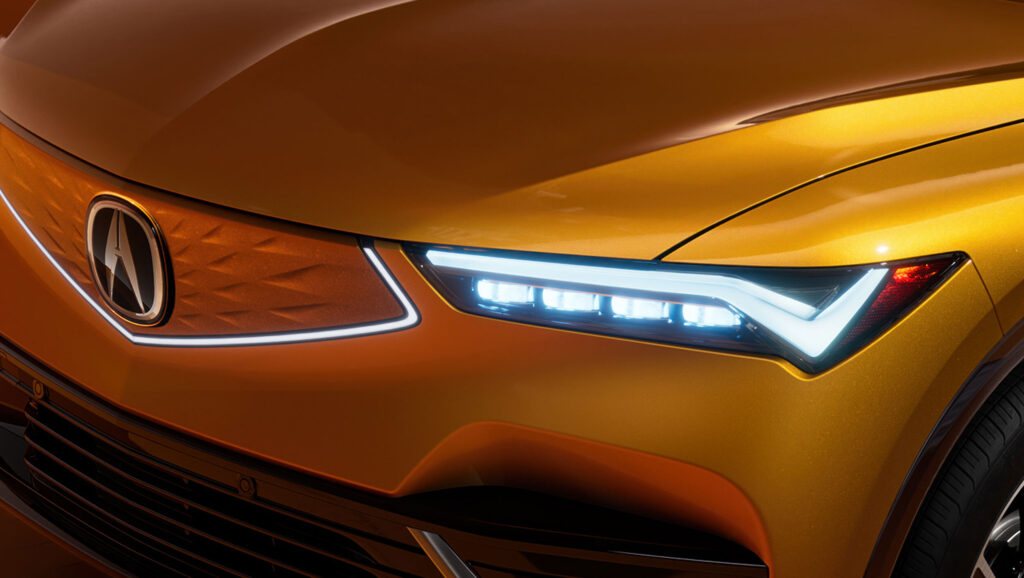
The Acura ZDX has earned a dubious distinction in automotive circles: it may be one of the most cursed nameplates ever to grace a showroom. Launched in 2009 on an angular crossover coupe, the ZDX was met with widespread indifference from buyers. By the time production ended in 2013, Acura had reportedly sold fewer than 7,191 units — a figure that would spell doom for almost any model.
Yet the story did not end there. Despite that dismal pedigree, Acura revived the ZDX name for an electric crossover built by General Motors as the brand's counterpart to the Honda Prologue. The second-generation ZDX even offered a Type S variant producing 499 horsepower and 544 pound-feet of torque. But the revival proved just as troubled as the original. Pricing started at $64,500 and climbed to $73,500 for the performance version, which delivered only 278 miles of range. Consumers bought 7,391 units in 2024, and the ZDX was dropped in the fall of 2025 after just one model year.
The ZDX is not the only Acura nameplate to meet an untimely end. The RSX name was slated to return on an electric crossover, but those plans were ultimately abandoned. The original RSX, which succeeded the Integra, retains a fond following among enthusiasts even as its revival was shelved.
Automotive history is littered with nameplates that failed to find an audience despite massive investment. Automakers spend millions developing and producing new vehicles, yet some models bomb and get discontinued — and a few ill-fated names have failed on multiple occasions. The classic example remains the Edsel, launched 69 years ago on September 4, 1957. Despite considerable fanfare, many critics saw the brand as little more than warmed-over Fords with questionable styling. Even so, the Edsel got off to a decent start, with 63,110 units reportedly sold in its first year. But a series of changes after launch failed to stem the tide, and sales dropped nearly 30 percent the following year. The brand was discontinued in 1959, surviving a little over two years.
The ZDX's fate raises broader questions about why automakers choose to resurrect failed names at all. In the case of the electric ZDX, the decision to reuse a moniker associated with a slow-selling crossover coupe seemed puzzling to industry observers from the start. The second-generation model's GM-built platform and premium pricing placed it in a crowded segment of electric crossovers, where range and value are scrutinized closely by consumers. Its 278-mile range for the Type S variant, combined with a price tag approaching $74,000, made it a tough sell against rivals offering more range for less money.
The pattern is familiar across the industry: a nameplate launches with high hopes, fails to connect with buyers, and is retired — only to be revived years later in a different form, often with similar results. The Edsel became a byword for commercial failure almost immediately, its name synonymous with corporate misjudgment. The ZDX, while less culturally resonant, now carries a similar cautionary weight, having failed twice in two different eras of the automobile business.
For Acura, the twin failures of the ZDX and the abandoned RSX revival represent a significant setback in the brand's efforts to establish a foothold in the electric vehicle market. The company has not announced a replacement for the ZDX nameplate, leaving its electric lineup to be defined by other models. Meanwhile, the question of which automotive nameplate deserves the title of most cursed remains open — a debate that touches on branding, consumer psychology, and the high-stakes gamble of reviving a tarnished name.
59