
Memorandum
- From
- Connor Quincy
- Date
- Filed
- Business·4 min to read
- Re
Why Hogwarts Legacy 2 Matters to Warner Bros.’ Games Reset
ReWhy Hogwarts Legacy 2 Matters to Warner Bros.’ Games Reset
The sequel is now explicitly part of WBD’s pipeline. It gives the company a 40-million-selling franchise to anchor a strategy built around fewer, higher-conviction games.
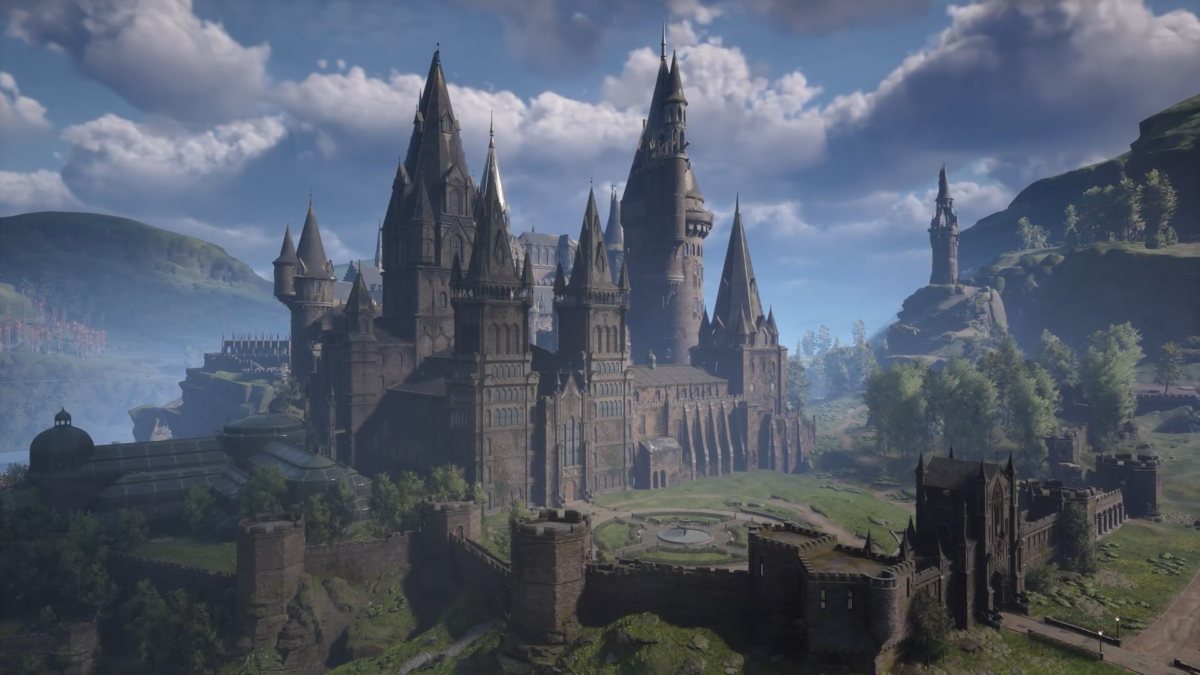
The newest Hogwarts Legacy update is a useful lesson in how a hit game becomes a corporate asset. Warner Bros. Discovery’s second-quarter 2026 shareholder letter says the company’s games pipeline is expanding and names the second installment of Hogwarts Legacy as one of the projects inside it.
For WBD, the important part is not merely that another game exists. Management describes Games as a growth lever for Studios and says the division should contribute more meaningfully to profitability. The company is funding fewer projects with greater conviction, meaning each selected title carries more strategic weight.
Hogwarts Legacy provides unusually strong evidence for making that concentrated bet. Warner Bros. Games said in December 2025 that the first title had passed 40 million units sold worldwide, making it the biggest game release in the publisher’s history. A sequel therefore starts with a global audience and a brand whose demand has already been measured at enormous scale.
The original was developed by Avalanche Software and published under the Portkey Games label. Its design was important to the business model: instead of recreating the plot of the books or films, the game moved to the Wizarding World of the 1800s and sold the fantasy of inhabiting Hogwarts itself. That created a branch of the franchise with room for new characters and stories.
Its platform strategy also extended the commercial life of the product. The game launched first on current-generation consoles and PC, then moved to older PlayStation and Xbox systems and Nintendo Switch. A Switch 2 version later added another hardware cycle. Each expansion opened a new sales window without requiring a new mainline game.
The second installment remains commercially opaque. WBD’s letter does not provide a release window, platforms, budget, pricing plan, final title or gameplay model. It confirms an asset in the pipeline, not the assumptions an analyst would need to build a project-level revenue model.
There is older context for the production. In 2024, games executive David Haddad told Variety that the sequel was already in the works and was a major priority. He also said the team was coordinating some broad story elements with the Harry Potter series for HBO, suggesting that franchise planning spans games and television even when the stories occupy different time periods.
The reset became much sharper in 2025. Warner Bros. Games closed Monolith Productions, Player First Games and its San Diego studio and canceled Wonder Woman. The company said it was restructuring development and investment around Harry Potter, Mortal Kombat, DC and Game of Thrones.
The 2026 shareholder letter shows that strategy moving from a restructuring statement into a release pipeline. Hogwarts Legacy is not just one of the surviving brands; it is a proven product expected to help make the games business more predictable after a period of expensive volatility.
The remaining question is execution. A sequel inherits a large audience, but it also inherits much higher expectations and a world that no longer benefits from novelty alone. Warner Bros. has selected the asset it wants to build around. The first true reveal will show whether the product can justify the strategic weight now placed on it.
72