
Memorandum
- From
- Caroline Mercer
- Date
- Filed
- Business·5 min to read
- Re
What the Wildberries–AliExpress seller dispute actually shows
ReWhat the Wildberries–AliExpress seller dispute actually shows
Pladrom’s investigation finds a confirmed marketplace integration and real seller losses, while claims that written-off goods were secretly diverted remain unresolved.
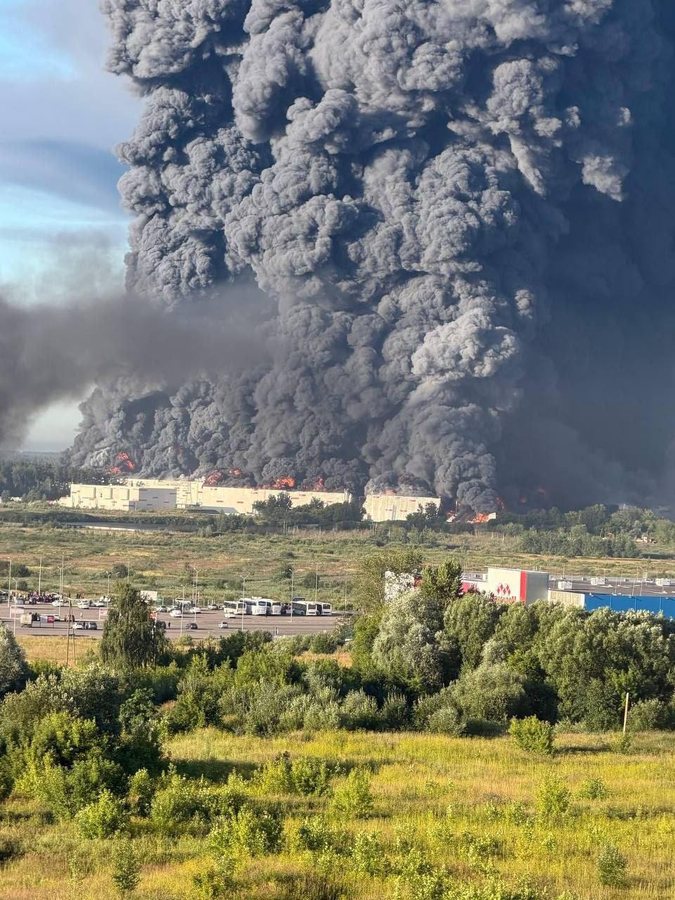
A Russian e-commerce controversy is mixing together three different things: warehouses that genuinely burned, a real integration between two major marketplaces, and a much more serious allegation that some inventory may have been moved before being treated as lost. A Pladrom investigation into Wildberries and AliExpress separates what is known from what sellers still suspect.
The first part is not disputed. Drone attacks on 18 July were followed by major fires at Wildberries logistics facilities in Elektrostal and Kotovsk. Merchants using the marketplace reported substantial inventory losses, in some cases threatening the survival of small businesses built around stock stored in the platform’s fulfilment network.
A contractual detail added to the anger. A revised Wildberries seller agreement took effect on 7 July, eleven days before the fires, and explicitly included consequences of drone use, shelling and explosions among force-majeure circumstances. Wildberries later made support payments to affected sellers, but the question of how losses were valued remained contentious.
Then sellers began finding their own product cards on AliExpress. The pages used matching brand names, photographs, descriptions, specifications and reviews. For merchants who had not knowingly opened an AliExpress store, that initially looked like unauthorised copying.
A test by Deanda owner Denis Vdovin provided a different explanation. He ordered his own product through AliExpress and said the order appeared in his Wildberries seller dashboard. The two companies subsequently confirmed that they were testing an integration that uses AliExpress as an additional storefront for Wildberries inventory.
That confirmed link is important because it explains why identical product information can appear on both platforms. It does not, by itself, show that burned or written-off inventory is being resold. A single product listing may represent units held at several warehouses, so a visible card can survive even if one batch was destroyed.
Some sellers nevertheless say they saw products they believed had been lost in the fires. Wildberries rejects those claims. RWB says goods at affected sites are removed from sale until their condition is assessed and the results are entered into its accounting systems.
The unresolved allegation is about inventory movement. Seller communities suspect that after the first attacks, some goods may have been rapidly transferred to other logistics hubs. The theory became more prominent when Wildberries was reported to be seeking at least 100,000 square metres of additional warehouse space in Kazakhstan while publicly discussing redistribution across its network.
There is still a large evidentiary gap. No published shipping record, serial number, Data Matrix code or warehouse log has been shown to connect a specific unit formally classified as lost with a later AliExpress delivery. There is also no verified evidence that later warehouses were empty when they burned, despite that claim circulating in seller discussions.
The financial question remains equally open. In Vdovin’s test, the order was credited through his existing Wildberries seller account. That is consistent with a normal storefront partnership. To show that someone else profited from a seller’s written-off goods would require transaction records identifying the merchant of record and the ultimate settlement recipient.
So the dispute already reveals something significant even before the most dramatic allegation is proven. Wildberries controls fulfilment, inventory data and access to an external marketplace channel, while sellers depend on those systems to know whether their property still exists and how it is being sold. The next decisive evidence will not be another screenshot of a product page. It will be a traceable physical item and the accounting trail attached to it.
59

Source: Pladrom investigation into Wildberries and AliExpress