
Memorandum
- From
- Delaney Sawyer via Fast Company
- Date
- Filed
- Business·3 min to read
- Re
Firms Led by Co-CEOs Averaged Higher Shareholder Returns, Study Finds
ReFirms Led by Co-CEOs Averaged Higher Shareholder Returns, Study Finds
A Harvard Business Review study shows that companies with shared leadership delivered higher average shareholder returns in 1996–2020, but the model's effectiveness depends on strategic clarity and trust between co-CEOs.
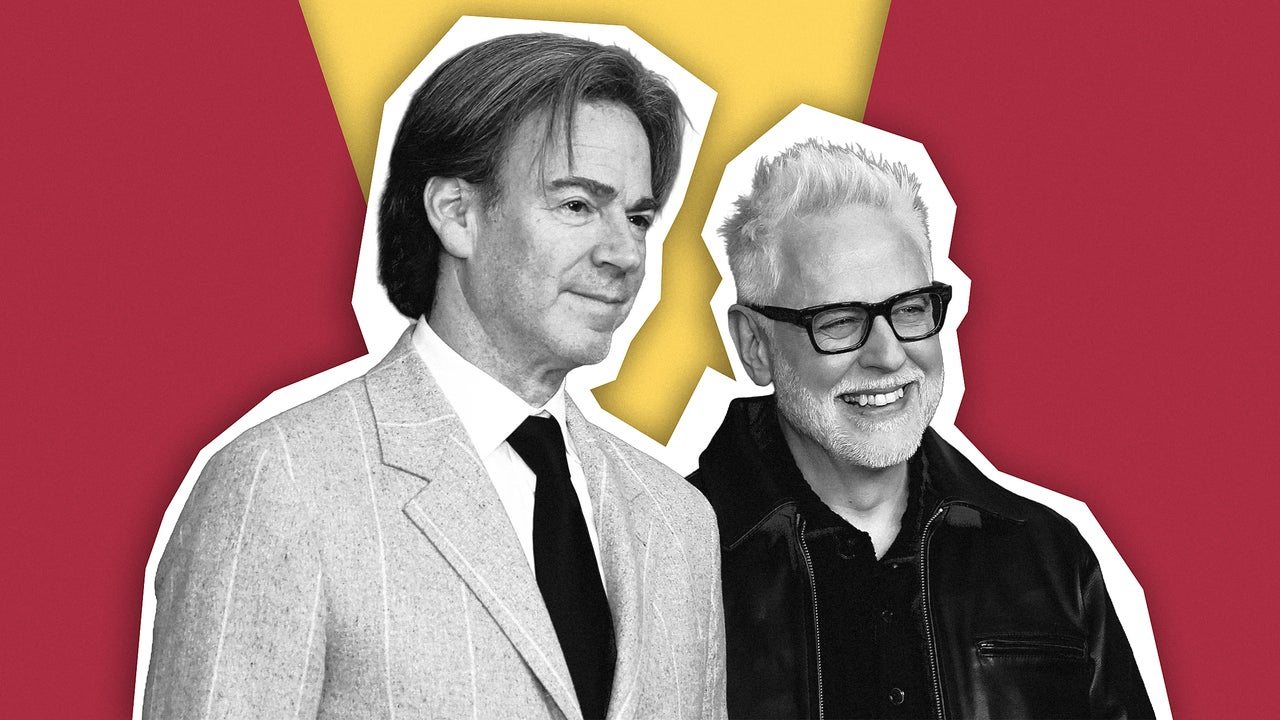
Companies run by two chief executives at the same time delivered, on average, higher returns to shareholders than firms with a single leader. This is according to an analysis by Harvard Business Review, which found that between 1996 and 2020, firms with shared leadership averaged a 9.5% return, while companies with one chief executive averaged 6.9%. However, the model alone does not guarantee success: the specific context and the strategic reason for introducing it are decisive.
Among companies that practice co-CEO leadership, analysts name Spotify, Comcast, Netflix and KKR. At the same time, the example of Research in Motion, which later became BlackBerry, is often cited as a warning: a poor division of roles and disagreements within the leadership team can become problems for the entire organization.
The topic has gained new relevance in the media sector. David Ellison appointed Ino Kreutz as co-CEO of the newly created company that emerged after the merger of Paramount Skydance and Warner Bros. Discovery. Whether this model suits merged media companies facing integration challenges remains an open question.
Research from the University of Calgary's Haskayne School also indicates that the model works best when it has a clear rationale. The key success factor is clarity of vision, strategy and actions across the entire leadership team. One of the authors describes the case of a British retail chain where only five of twelve executives fully supported the strategy. The company was later acquired by a larger organization, which, in his assessment, was linked to the gap between executives over the course.
The Netflix example shows a different way of dividing roles. Theodore Sarandos has been a co-CEO since 2020, and in 2023 Greg Peters replaced Reed Hastings. Sarandos is responsible for content, marketing and legal matters, while Peters oversees technology, product and operations. This division allows each to focus on their own area rather than duplicating authority.
Experts emphasize that co-CEO relationships require structured time for joint work and agreed processes for resolving disagreements. Mutual trust at the top, they say, shapes the culture of the entire organization. At the same time, a single person in the chief executive role can conceal a split in the leadership team, whereas shared leadership makes such tensions visible to the market and employees.
The model is also used as a temporary solution. At Lululemon, co-CEOs served while the board of directors searched for a permanent leader. Heidi O'Neill later became chief executive. A similar logic lies behind the changes at DC Studios, where co-chairs James Gunn and Peter Safran announced their departure after four years, and Jeremy Latcham is set to become the studio's president and creative director.
16

Source: What separates the co-CEOs that work from those that don’t?