
Memorandum
- From
- Connor Quincy via fox - Politics
- Date
- Filed
- Business·4 min to read
- Re
Rubio says US remains open to Iran talks but warns there 'will be consequences'
ReRubio says US remains open to Iran talks but warns there 'will be consequences'
Secretary of State Marco Rubio stated the US is willing to negotiate with Iran but warned of consequences if Tehran violates commitments, amid ongoing military strikes and tensions over the Strait of Hormuz.
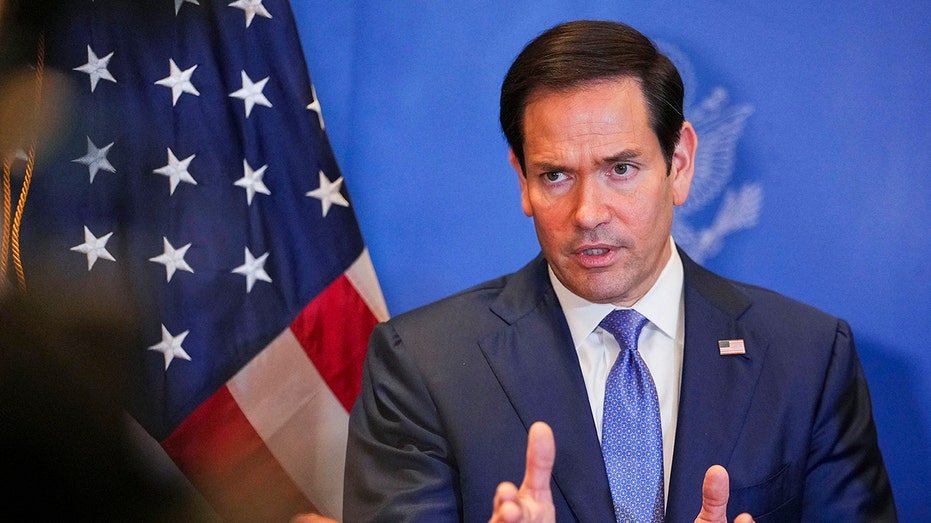
Secretary of State Marco Rubio said Wednesday that the United States remains willing to negotiate with Iran but warned there "will be consequences" if Tehran continues to violate its commitments. Speaking at the ASEAN Summit in the Philippines, hours after U.S. forces completed their 11th consecutive night of strikes against Iranian military targets, Rubio said Washington remains open to diplomacy but questioned whether Iran is negotiating in good faith.
"The problem we're having right now is they're not serious about talks. If they're serious, we're serious," Rubio said. "If they're not, then we will do what is necessary to protect our interests and also the interests of our allies."
Rubio said Iran has demanded the right to control shipping through the Strait of Hormuz, arguing Tehran has no legal authority to do so and warning that allowing it would set a dangerous international precedent. "If we create a precedent in the Middle East where a nation-state can decide that they are going to control an international waterway and, if you don't pay them, blow up your ships, we have created a very dangerous precedent, which will repeat itself in other parts of the world, including in this region," Rubio said.
Rubio argued the "fundamental principle of freedom of navigation" is at stake. "If that is threatened, then I think the global economy is threatened, and the rules which have underpinned 150 years of international trade and commerce are also threatened, and that cannot be allowed to happen," he said.
Rubio's comments came after the U.S. and Iran passed the halfway point of the 60-day negotiating window established under a June 17 memorandum of understanding covering Iran's nuclear and missile programs, sanctions and freedom of navigation through the Strait of Hormuz. Despite the agreement, the two countries have appeared closer to a broader conflict than a diplomatic breakthrough, with Iran repeatedly attacking commercial vessels in the strait while U.S. forces continue striking Iranian military targets across the region.
While President Donald Trump has declared the ceasefire "over," he said Tuesday that Iran wants to "desperately meet." Rubio echoed the president's remarks, saying Washington remains prepared to negotiate while making clear military force remains an option. "The United States remains open and willing to engage in positive negotiations and talks so long as the commitments that are made are kept," he said. "When those commitments are not kept, which is what's happened in this particular case, then there will be consequences. And that has to happen."
Rubio said maintaining the threat of military action is necessary to prevent Iran from disrupting one of the world's most important shipping lanes. "If these consequences didn't exist, then today we would be living in a world where a significant percentage of the energy supply in this region and 20% of the world's energy supply is being held hostage by a rogue regime," Rubio said.
The Strait of Hormuz is a critical chokepoint for global energy supplies, with about 20% of the world's oil passing through it daily. Any disruption to shipping there could send energy prices soaring and destabilize markets worldwide. The ongoing tensions have already raised concerns among shipping companies and insurers, with some vessels rerouting to avoid the area, adding costs and delays to global trade.
Analysts say the standoff reflects a broader struggle over regional influence and international norms. Iran has long sought to leverage its geographic position to pressure adversaries, but the U.S. has consistently rejected any claims of sovereignty over international waters. The situation remains fluid, with both sides signaling readiness for either dialogue or escalation.
99