
Memorandum
- From
- Connor Quincy via Fast Company
- Date
- Filed
- Business·5 min to read
- Re
Pillow makers race to redesign sleep support as neck pain drives demand
RePillow makers race to redesign sleep support as neck pain drives demand
A new generation of bedding startups is rethinking pillow design to address neck pain, a condition affecting up to half of adults annually. The U.S. pillow market, valued at $5.2 billion in 2025, is projected to reach $8.5 billion by 2033 as brands experiment with materials and shapes.
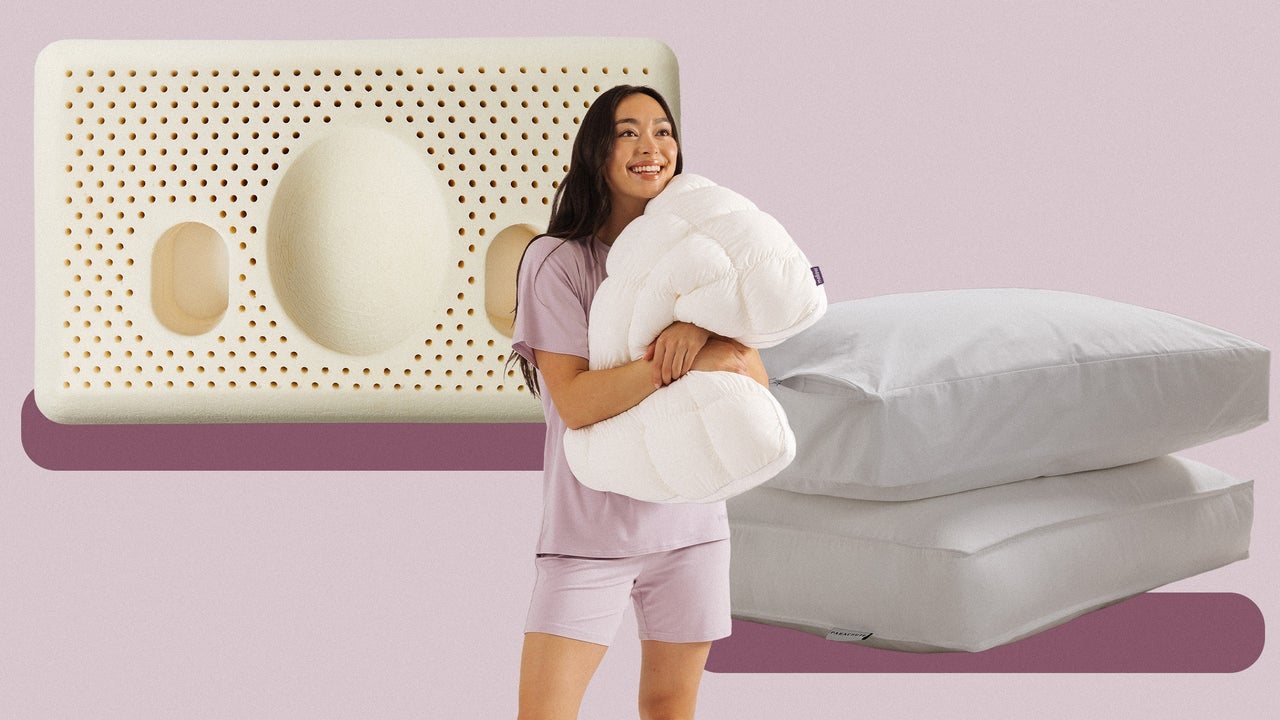
Neck pain sends millions of adults to doctors and therapists each year, and a growing number of bedding companies believe the root cause is often something deceptively simple: the pillow. With an estimated 30% to 50% of adults experiencing neck pain annually, spinal specialists point to poor sleep posture and inadequate cranial support as key contributors. The solution, they say, is maintaining neutral spinal alignment, where the neck, shoulders, and spine form a straight line parallel to the mattress. For side sleepers, this means a pillow must bridge the gap between the ear and the shoulder, or muscle strain, nerve compression, and joint misalignment can follow over an eight-hour night.
That challenge has sparked a wave of innovation across the home goods industry. Incumbents like Tempur-Pedic, which launched in the early 1990s and now generates $7.7 billion in annual sales with more than 2,800 stores worldwide, were early pioneers in memory foam pillows. But a new generation of startups, including Mellow, Parachute, Avocado, and Coyuchi, is rethinking the silhouette, construction, and materials of pillows entirely. The market is lucrative: the U.S. pillow sector was worth roughly $5.2 billion in 2025 and is forecast to reach $8.5 billion by 2033, according to Grand View Research. While traditional fillers like feathers remain the largest segment, latex, a moldable material derived from rubber sap, is the fastest growing, signaling that companies are actively pursuing innovation.
Among the new entrants, Mellow has become a standout phenomenon. Launched in 2025, the brand went viral on TikTok and became the highest-selling pillow on the social platform, generating more than $110 million in sales in just nine months. Mellow’s pillows depart from the traditional rectangular shape, featuring designs that resemble clouds and marshmallows. Behind the eye-catching aesthetics is engineering aimed at addressing body mechanics. “What we’ve learned through this whole experience is that bridging the gap between your shoulder and your neck in order to keep your neck straight actually fixes a lot of problems,” said Chad Keller, co-founder of Mellow. “There were ergonomic pillows that solved problems, but they weren’t visually pleasing. Our goal is to solve that gap.”
To develop its products, Mellow worked closely with chiropractors and sleep doctors to understand common sources of pain and how to address them. The brand’s designers used those conversations to identify the wide range of factors that affect sleep, from anatomical differences to preferred sleep positions. Sleep specialists note that cradling the neck is essential to avoiding pain, but back sleepers and side sleepers require support at different heights. Mellow’s approach was to not feel bound by the traditional pillow silhouette, instead creating shapes that provide targeted support while remaining visually appealing for a platform like TikTok.
The broader industry is also revisiting materials and construction methods. Memory foam, originally developed by NASA in the 1960s for aircraft cushioning, was the first major innovation in pillow design, allowing companies to mold precise shapes for head and neck support. But the new wave of brands is pushing beyond foam, experimenting with latex and other moldable materials that offer different firmness and responsiveness. The variety of options on the market means that while there is no universal, one-size-fits-all solution to spinal alignment, consumers are more likely than ever to find a pillow that suits their specific body type and sleep posture.
The history of the pillow offers context for this shift. In ancient Egypt and Asia, only the elite rested their heads on carved wooden or stone headrests. In colder climates, people stuffed sacks with straw, cotton, or down feathers, which were soft but offered little structural support. Mass production during the industrial revolution made pillows affordable for the general public, but the basic concept remained unchanged for centuries. Now, with neck pain affecting a significant portion of the population and the market expanding, companies are betting that a better-engineered pillow can be both a health solution and a lucrative product.
107