Memorandum
- From
- Delaney Sawyer via Fortune | FORTUNE
- Date
- Filed
- Business·5 min to read
- Re
Microsoft cloud revenue rises 48% as AI spending climbs
ReMicrosoft cloud revenue rises 48% as AI spending climbs
Microsoft's Azure cloud business grew 48% in the latest quarter, beating analyst estimates, even as the company's capital spending on AI infrastructure continued to rise.
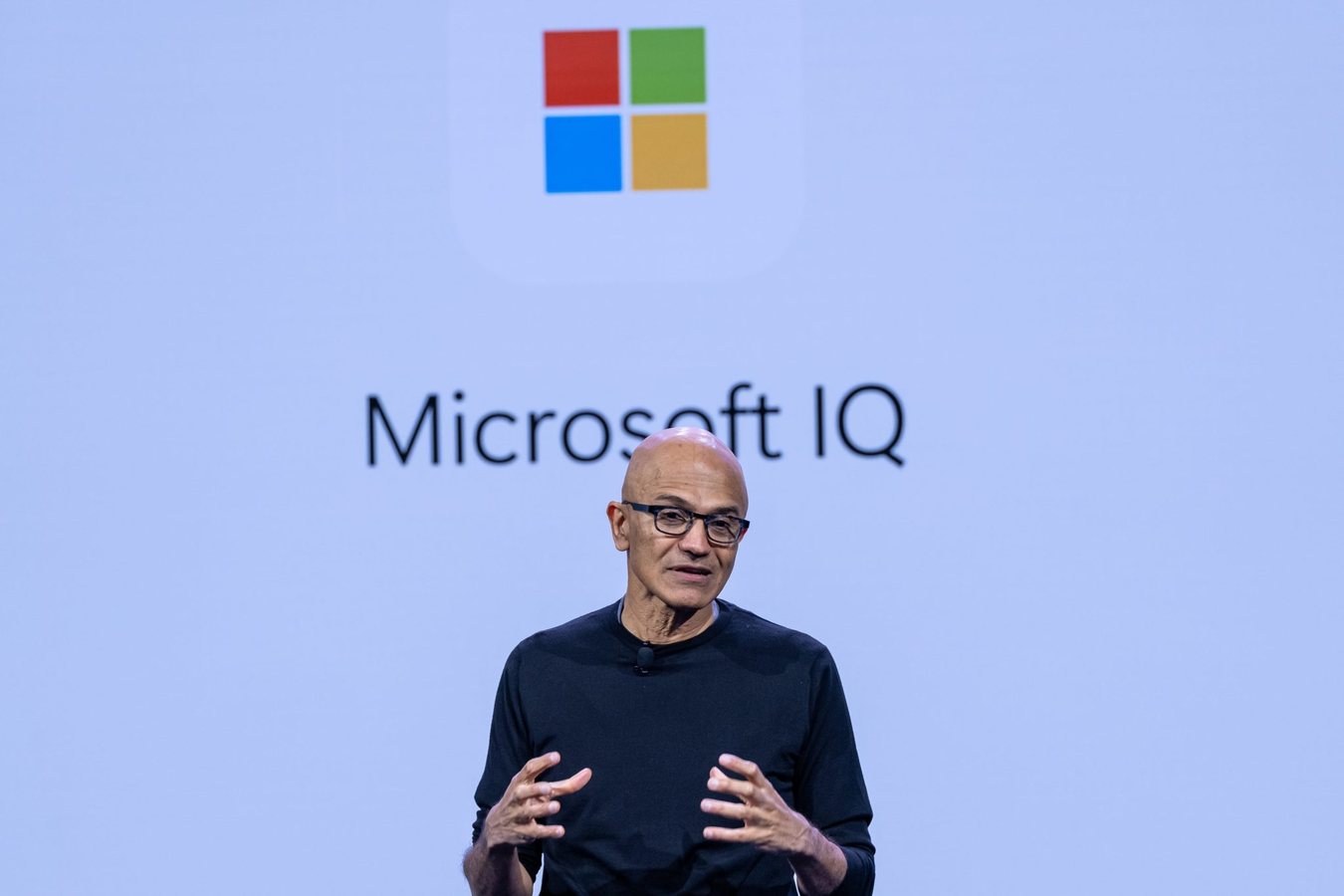
Microsoft's Azure cloud business grew 48% in the company's first-quarter earnings report, ahead of analyst estimates, while its spending to build out computing capacity for artificial intelligence remained high. The results, released Wednesday, showed strong demand for the company's AI services even as other parts of its business, including legacy software and gaming, lagged.
The Redmond, Wash.-based company reported first-quarter revenue of $92.3 billion, up 19% from a year earlier and above what Wall Street analysts had expected. Profit came in at $36.6 billion, also slightly ahead of analyst predictions. Shares were initially trading up more than 4% in after-hours trading, a welcome signal for investors who have been watching closely for evidence that the company's AI investments are producing revenue.
Investors have been particularly focused on two measures: how fast Azure keeps growing and whether products such as the Copilot assistant are generating solid income. Both metrics matter because they indicate whether demand for AI is holding up, especially as technology giants spend heavily on data centers. Microsoft said its quarterly capital expenditures were $45.2 billion, higher than the prior quarter but below what analysts had predicted. In its previous quarterly report, the company said it expected capital expenditures for calendar 2026 to be roughly $175 billion.
Microsoft is one of several so-called hyperscalers spending aggressively to meet AI computing demand. Amazon, Microsoft, Alphabet, the parent of Google, and Meta Platforms are collectively expected to devote more than $700 billion to capital expenditures in 2026, mostly for data centers. Meta said last week that its capital spending this year could rise to as much as $145 billion. Alphabet reported gains in its cloud division on Wednesday but weaker advertising performance, and Amazon was scheduled to report results on Thursday.
On Copilot, Microsoft did not initially provide specific sales figures. It said 5% growth in its Microsoft 365 commercial seats reflected Copilot sales. In its previous quarterly report, the company said Copilot had 30 million paid users, up from 20 million the quarter before. The business had a slow start, and investors have been eager to see it grow. This year Microsoft reimagined Copilot as a "super app" spanning coding, chat, and autonomous functions, and recently unveiled Windows features that let users work with AI agents.
Microsoft has benefited from the AI boom mainly through its cloud computing service, which helps AI companies train their models and make them available through Azure. The company has also worked to bring computing capacity online and to balance the needs of its partners against those of its own proprietary AI models. Earlier this week, AI developer Anthropic released the prospectus for its upcoming initial public offering, which showed how much Microsoft and other hyperscalers stand to gain from AI labs' needs. Anthropic has committed to spending at least $44.9 billion on Microsoft compute between this November and May 2033, regardless of actual usage, as part of a commitment of at least $389.9 billion for compute spending with companies including Amazon, Alphabet and SpaceXAI.
The report arrives during a period of major change at the 51-year-old company. Microsoft this week offered buyouts to roughly 60,000 employees, about 27% of its workforce, as it continues a company-wide pivot into AI that has required cost cuts. Eligible employees must accept by the first week of December, though Microsoft expects fewer than 10% of employees to take the offer. In July the company cut about 4,800 jobs, following more than 15,000 layoffs in 2025. Many recent cuts have centered on the struggling Xbox unit, which has weighed on overall financial performance.
The gaming weakness was visible in the quarter's numbers. Xbox content and services revenue fell 2%, and hardware revenue dropped 14%. Windows OEM and Devices revenue decreased 22%, weighing on the overall Devices and Consumer segment.
5