Memorandum
- From
- Caroline Mercer via Fortune | FORTUNE
- Date
- Filed
- Business·5 min to read
- Re
Climate venture fundraising slumps as investors back climate tech that competes on cost
ReClimate venture fundraising slumps as investors back climate tech that competes on cost
Climate-focused venture funds are on track for their weakest year since 2015, but money is still flowing into clean energy companies from generalist investors, public markets and corporate buyers. The shift suggests the sector is being judged on economics rather than environmental labels.
Climate-specialist venture funds are on track to raise less than $1 billion this year, their weakest showing since 2015 and a steep drop from more than $10 billion in 2021, according to PitchBook. Yet money is still moving into clean energy companies themselves. Venture and growth investment in clean energy startups reached a three-year high in 2025, according to Sightline Climate, suggesting that capital is following the technology even as it abandons the climate label.
The shift is visible in how deals are being financed. Geothermal developer Fervo Energy raised $2.2 billion in its May initial public offering and then signed a new power deal with Google. Dawn Lippert of Earthshot Ventures told Fortune that 90 percent of the companies her firm backs have generalist tech investors as co-investors. Mike Schroepfer of Gigascale Capital described the situation as «a tale of two cities,» with capital increasingly coming from generalist investors, public markets and corporate buyers rather than dedicated climate funds.
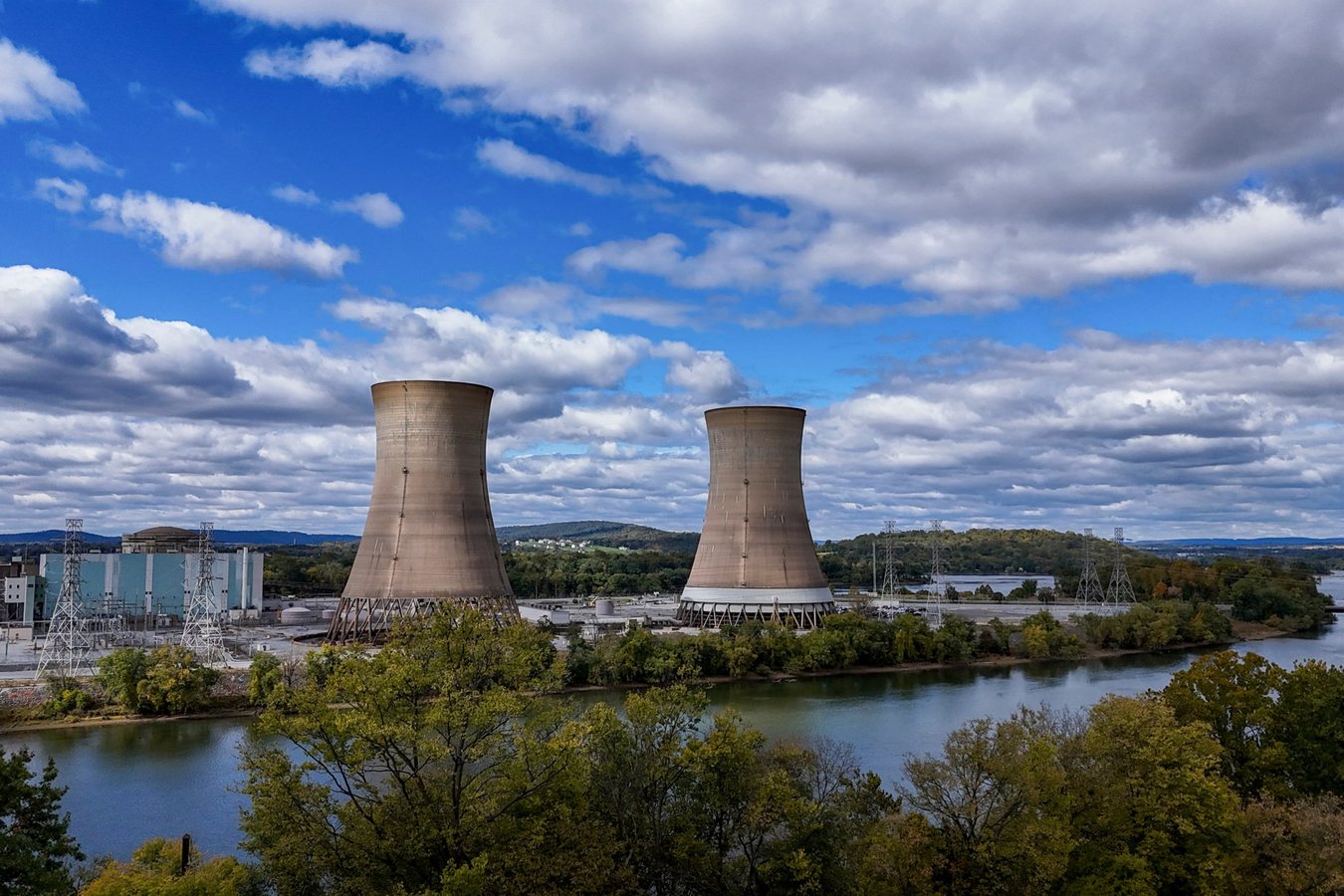
The clearest example of this change is Three Mile Island. Its owners shut down the Unit 1 reactor in 2019 because it could no longer compete economically, even though it was still running. Five years later, Microsoft signed a 20-year agreement to buy its power, and the plant is being restarted as the Crane Clean Energy Center. The reactor itself did not change; the buyer did. Data centers need large amounts of reliable, around-the-clock electricity, and many operators have ambitious carbon-free energy commitments, which made a plant the market had written off suddenly valuable again.
The argument central to the source is that climate technologies should sell on performance and price rather than on their moral or environmental appeal. The author, who has more than 15 years of experience working with companies across energy, climate and infrastructure, frames this through five words that explain how technologies win markets: better, faster, cheaper, stronger and safer. A technology only needs to win on the attributes its customers value most. The author notes that AI has spread quickly on the promise of value rather than moral consensus, while climate technology is still too often defined by the problems it promises to solve.
The article points to cost data as evidence. Utility-scale solar's global average cost fell roughly 90 percent between 2010 and 2023, according to the International Renewable Energy Agency, and the pitch has shifted from paying a premium to do good toward cheaper power and long-term price certainty. In 2024, U.S. heat pump shipments outpaced gas furnaces by 32 percent, the widest margin on record. The environmental benefits are real, the article argues, but they do not have to be the reason a buyer signs a check.
Not every climate technology has passed this test. Early-stage companies pursuing breakthroughs feel the funding squeeze most, and many still depend on policy support. Meanwhile, Microsoft and Google are signing long-term deals for nuclear and geothermal power, making AI developers among clean energy's most important customers. The article contends that the sector's organization into its own category, with climate startups, climate funds and climate conferences, has grouped technologies that share little beyond their environmental benefits and obscured the larger markets they serve. Buyers, it says, are looking for more efficient HVAC systems, cheaper process heat and lower electric bills rather than climate solutions.
The article draws a historical parallel. Electric generating stations were running by the early 1880s, but according to economist Paul David, large productivity gains arrived only in the 1920s, after factories redesigned themselves around electricity instead of swapping steam engines for electric motors. The author argues that climate technology is on a similar path, with every company eventually becoming climate-enabled without executives needing to see themselves as environmentalists. In the article's framing, the sector is moving from movement to market: a movement asks people to believe, while a market gives them a reason to buy.
4