Memorandum
- From
- Derek Weston via Fortune | FORTUNE
- Date
- Filed
- Business·4 min to read
- Re
Lockheed Martin CEO Taiclet and Other Fortune 500 Leaders Draw on Military Service
ReLockheed Martin CEO Taiclet and Other Fortune 500 Leaders Draw on Military Service
Former military leaders at Lockheed Martin, Casey's, Advance Auto Parts, and Sempra discuss how their service experience shapes their management of large companies.
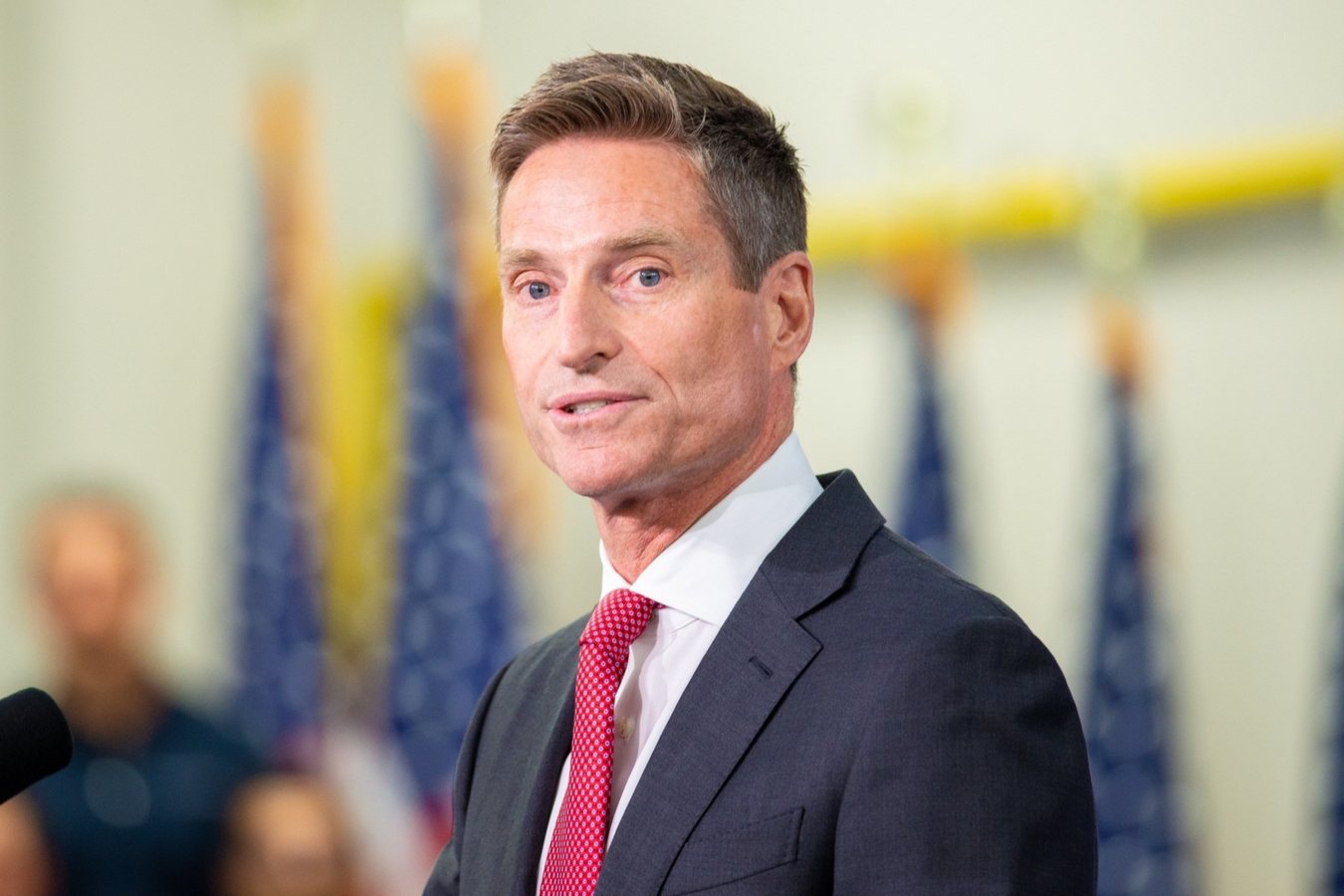
Some executives of companies on the Fortune 500 list have military backgrounds and apply the skills they gained in service to corporate leadership. Among them is Lockheed Martin CEO Jim Taiclet, who was a U.S. Air Force pilot before moving into business. According to Fortune, his story is one of the most prominent examples of how a military career can become the foundation for running a large business.
Taiclet served as an Air Force pilot from 1985 to 1991 and logged more than 5,000 hours at the controls of the C-141B transport aircraft, including during the Persian Gulf War. In his early twenties, he led classified missions, which, in his words, taught him early on about responsibility for people and decisions. Lockheed Martin ranks 61st on the Fortune 500, and about one in five of its 120,000 employees is a veteran. Taiclet stresses that veterans bring to the company not only professional expertise but also the ability to lead people, act under uncertainty, and take responsibility.
His career path has passed through the consulting firm McKinsey, as well as Pratt & Whitney and Honeywell. In 2004 he became CEO of American Tower. This sequence of moves, from military aviation to consulting and industry, shows how broadly the skills gained in the army can be applied.
Darren Rebelez, CEO of Casey's since 2019, also has a military past. He graduated from the U.S. Military Academy at West Point in 1988, served as an infantry officer, and took part in the deployment to Saudi Arabia during the Persian Gulf War. After his service, he worked at KFC, ExxonMobil, 7-Eleven, and IHOP, that is, at companies across different industries, from restaurants to oil and gas and retail. Today Casey's, which ranks 282nd on the Fortune 500, has annual revenue of about $25 billion.
Shane O'Kelly, head of Advance Auto Parts, which ranks 461st, is also a West Point graduate (1990). He served for seven years as an infantry officer in the U.S. Army. He holds an MBA from Harvard Business School and previously worked at McKinsey and Home Depot. His path, like that of the other executives in this selection, combines military training with classic business education and experience at large corporations.
Jeffrey Martin, CEO of Sempra, leads a company with about 20,000 employees. He also graduated from West Point, received his officer's commission after 1984, was an Army captain, and left service in 1989. According to him, his unit was preparing to defend Western Europe against the Soviet threat, meaning his service was tied to one of the most important responsibilities of the Cold War period.
The common theme in these executives' stories is that they carry the principles of military leadership, including responsibility, discipline, and teamwork, into the management of commercial companies. Their example shows that military service is becoming a source of management talent for big business, and that experience gained in demanding conditions remains valuable outside the army.
17