
Memorandum
- From
- Derek Weston via Fortune | FORTUNE
- Date
- Filed
- Business·4 min to read
- Re
Kevin O’Leary says Steve Jobs taught him to focus on 3 things a day—and small talk or a family phone call is just noise getting in the way
ReKevin O’Leary says Steve Jobs taught him to focus on 3 things a day—and small talk or a family phone call is just noise getting in the way
Shark Tank investor Kevin O’Leary credits Steve Jobs with teaching him a simple productivity rule: accomplish three important things each day and treat everything else as noise. He says the 80:20 signal-to-noise ratio made Jobs difficult to work with but highly successful.
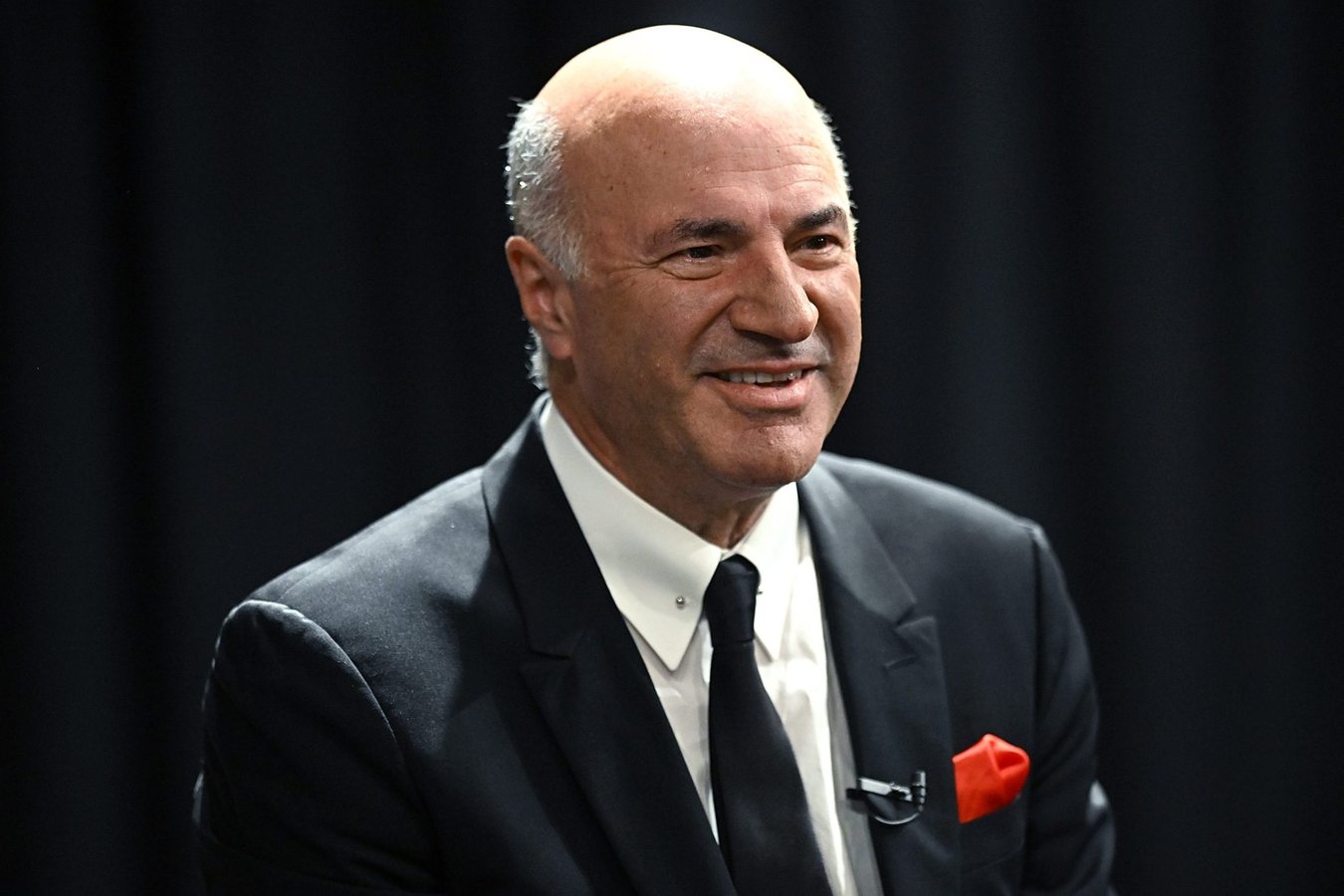
Investor and Shark Tank personality Kevin O’Leary says the late Apple cofounder Steve Jobs taught him a simple formula for making the most of each workday: focus on three essential tasks and treat everything else as noise. O’Leary shared the lesson during a recent appearance on the Build or Break podcast with Daniel Lubetzky, describing the approach as a practical daily discipline rather than a grand strategic vision.
“During the day, you only need to get three things done,” O’Leary said. “They’re important each day—not the big vision. Just three things done. You have to do those first. Anything that stops you from getting the three things done is noise.” According to O’Leary, the most successful business leaders share the ability to tune out distractions from their personal lives, including watercooler small talk and phone calls from relatives, and concentrate on what needs immediate attention.
O’Leary said Jobs operated with an 80:20 signal-to-noise ratio, a standard that made him “extremely difficult to work with” but also drove his accomplishments through a tough and brutal leadership style. The Canadian businessman, now 72, said he has seen a similar intensity in Elon Musk, recalling that the Tesla founder would simply walk away from conversations he did not find valuable at Mark Burnett’s Shark Tank Christmas parties. O’Leary acknowledged the behavior may violate social norms but argued it pays off in business.
“He just doesn’t want to waste his time, and look at what he’s achieved,” O’Leary said of Musk. He added that the signal-to-noise mindset has made him a difficult person in the eyes of critics, but he does not care. “I don’t care, because it’s noise. It just doesn’t matter to me. And so if it doesn’t matter to me, why should I put any energy into it at all?”
O’Leary traced the lesson back to his work with Jobs in the 1990s, when SoftKey Software Products—later renamed The Learning Company—developed educational software for Apple. O’Leary suggested that Jobs gather input from students and teachers about what they wanted from the program. Jobs rejected the idea, insisting that the games would succeed if they followed his lead. O’Leary said he respected how Jobs kept his eye on the ball despite the brutal leadership persona.
The experience helped O’Leary develop what he calls a “founder’s mindset,” knowing what deserves attention and having the discipline to shut out everything else. He said he has worked to reach that 80:20 dynamic, balancing business with hobbies such as watch and guitar collecting. Others, like Musk, let signal dominate the space where noise creates harmony, O’Leary noted.
“I’ve had to work on it, because I didn’t even know that was important till I went through my whole thing with Jobs way back in the early 90s,” O’Leary told Fortune last year. “But I also deal with it in every aspect of what I’m doing…If business is biting, you focus on making money or losing money.”
O’Leary founded SoftKey Software Products in the basement of his Toronto home in 1983 and sold the company to Mattel for $3.7 billion in 1999. He has since backed dozens of companies, including Groove Book, Blueland, and Basepaws, and has played the role of “Mr. Wonderful” on Shark Tank for 17 seasons. He said his critics have become motivators, and after more than 40 years in business, he is not easily deterred by snide comments or occasional failures.
“I’m fairly lucky. I’ve made lots of mistakes in investing, but I’ve also had some extraordinary outcomes…I’m not scared to fail,” O’Leary told Fortune. “I never bet the farm on any one thing.”
52