
Memorandum
- From
- Caroline Mercer via Fast Company
- Date
- Filed
- Business·6 min to read
- Re
Food and Beverage Industry Embraces Texture as a Defining Quality
ReFood and Beverage Industry Embraces Texture as a Defining Quality
Mouthfeel has evolved from a secondary feature to a central driver of consumer choice, spurring new products and reformulations across the global food and beverage market.
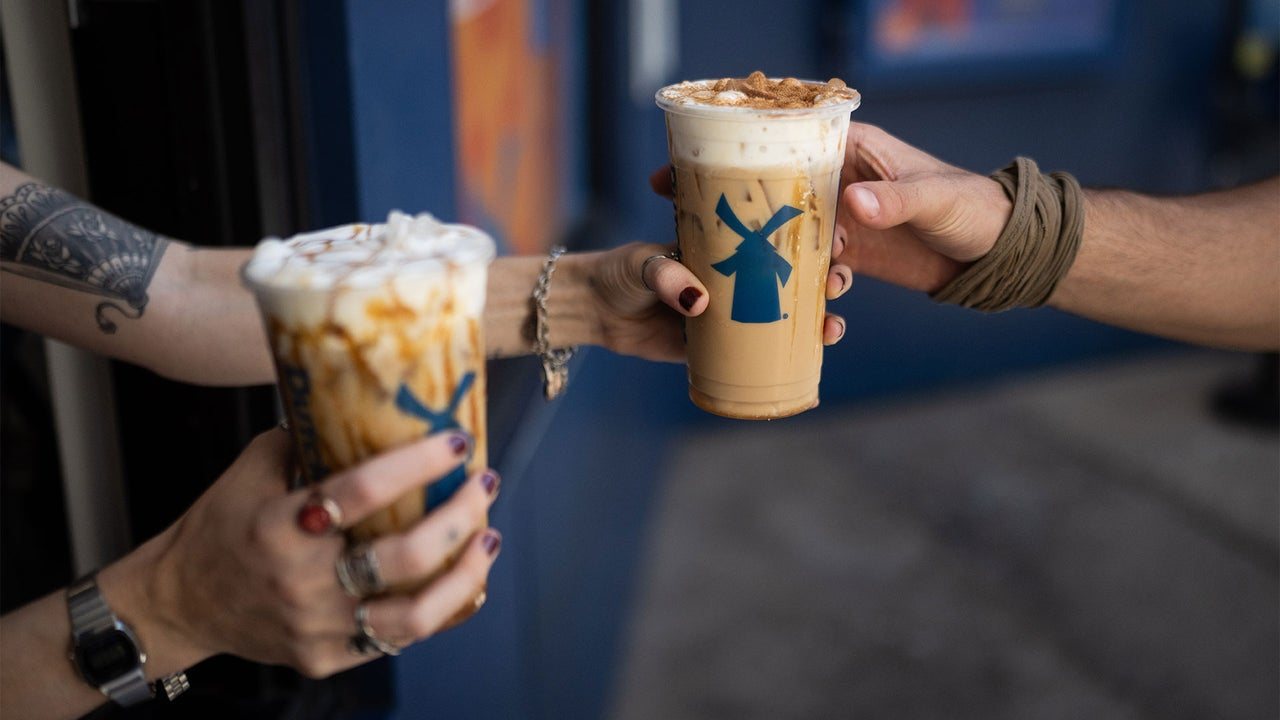
Texture has become a defining force in the food and beverage industry, with consumers increasingly drawn to products based on how they feel in the mouth as much as how they taste. Industry experts say mouthfeel — the oral sensation of a food or drink — is reshaping product development, from air-whipped espresso to freeze-dried candy, and influencing purchasing decisions worldwide.
Starbucks has introduced the Aerocano, an air-whipped iced espresso, while PowerCrunch offers a wafer-like protein bar and Trolli Gummi Popz delivers a frozen yet soft and chewy candy experience. In China, stretchy yogurt is a fast-growing trend. Swedish confectioner Cloetta recently released Sprinkled Foamies, which combine a crunchy coating with a marshmallow center. Parisian bakers are experimenting with pastries like the crookie, a crispy croissant with a melty chocolate chip cookie inside.
«It’s not just about flavor anymore. People are thinking about the whole experience,» said Tana Davila, chief marketing officer at Dutch Bros Coffee. The U.S. drive-thru chain allows customers to customize drinks with toppings such as sweet and creamy whipped foam and juice-filled balls that pop when bitten.
Patrick Kalotis, executive vice president of texture and healthful solutions at Illinois-based ingredient provider Ingredion, noted that texture is so integral to eating that people often describe how a food feels when asked how it tastes. «You know, ‘This drink is fizzy’ or ‘I love the creaminess of the yogurt,’» Kalotis said. «They think they’re talking about taste, and of course the texture helps propagate the taste, but they’re actually describing texture.»
Food makers have long played with consistency. Pillowy Japanese mochi and stretchy Turkish ice cream date back centuries. Bubble tea, with its chewy tapioca boba pearls, was invented in Taiwan in the 1980s. In the 1990s, high-end European restaurants whipped up culinary foams flavored with truffle oil or lobster broth. But interest in texture has exploded in recent years, according to Jenny Zegler, principal strategist for food and drink at market research company Mintel. The craze is reflected in toys like squishy NeeDoh cubes and beauty products like jelly cleansers. In food, qualities such as chewy, soft, gooey and melt-in-the-mouth are seeing fast-rising demand in online product searches, Mintel data show.
Zegler believes the Cronut — a doughnut-shaped pastry with a crispy fried outside and an airy, buttery inside like a croissant — started a fascination with food textures about a decade ago. Multilayered products like Dubai chocolate and sound-enhanced social media videos of influencers breaking crackly peanut brittle and slurping creamy noodles have heightened interest. «Consumers are gaining new expectations for the experience of a product, and texture is the perfect way to deliver that,» Zegler said.
The coronavirus pandemic elevated interest in texture because COVID-19 caused many people to temporarily lose their sense of smell and taste, said Shannon Weiner, senior director of consumer insights at candy company Ferrara. In 2020, the Chicago-based company debuted Nerds Gummy Clusters, a sweet round gummy coated in crunchy Nerds candy. The hit product led to other innovations in the candy aisle, like crispy freeze-dried Skittles. Gummi Popz, chewy bite-sized squares filled with fizzing candy, went on sale earlier this year. Ferrara-owned Brach’s plans to introduce jelly beans with a crunchy exterior for Easter next year.
Weiner said layers of texture create contrasts, which heighten perceptions of indulgence and quality and encourage consumers to pay closer attention to what they’re eating. «It’s a world of overstimulation that we’re living in, right?» Weiner said. «Oftentimes, if consumers are snacking as they’re scrolling or going through these mindless activities, texture can help break through and help stimulate and offer a sensory engagement.»
Meeting texture demands is a growing challenge for the food industry. McDonald’s, which released new McCrispy chicken strips in May 2025, changed the recipe this year after customers said the strips weren’t crispy enough. The rise of meal delivery has left restaurants searching for ways to ensure food retains its texture in transit, Kalotis said. Ingredion has developed potato starch-based coatings that can keep french fries crispy for 30 minutes; it is working on extending that to 45 minutes. Food companies are also trying to make products healthier or more affordable by changing ingredients without disturbing familiar textures. For example, Ingredion makes additives that help keep reduced-sugar yogurt creamy.
Zegler expects companies to explore the texture needs of different populations, such as older people. Snack foods will keep getting more layers, she said. Ferrara last year brought out Nerds Juicy Gummy Clusters, which added a liquid center to the original two-layer candy. Meanwhile, Kalotis said food companies need to do a better job of illustrating and explaining textures on packaging to help consumers understand what they are buying.