
Memorandum
- From
- Connor Quincy via Fortune | FORTUNE
- Date
- Filed
- Business·6 min to read
- Re
Chevron to expand Venezuela operations as Trump administration unveils oil deal
ReChevron to expand Venezuela operations as Trump administration unveils oil deal
Chevron is set to expand its Venezuela operations under a new U.S.-backed agreement, with officials set to visit Caracas to formalize the investment. The deal, which gives the Pentagon a stake in a new company, aims to tap into 65 billion barrels of reserves but faces legal and political questions.
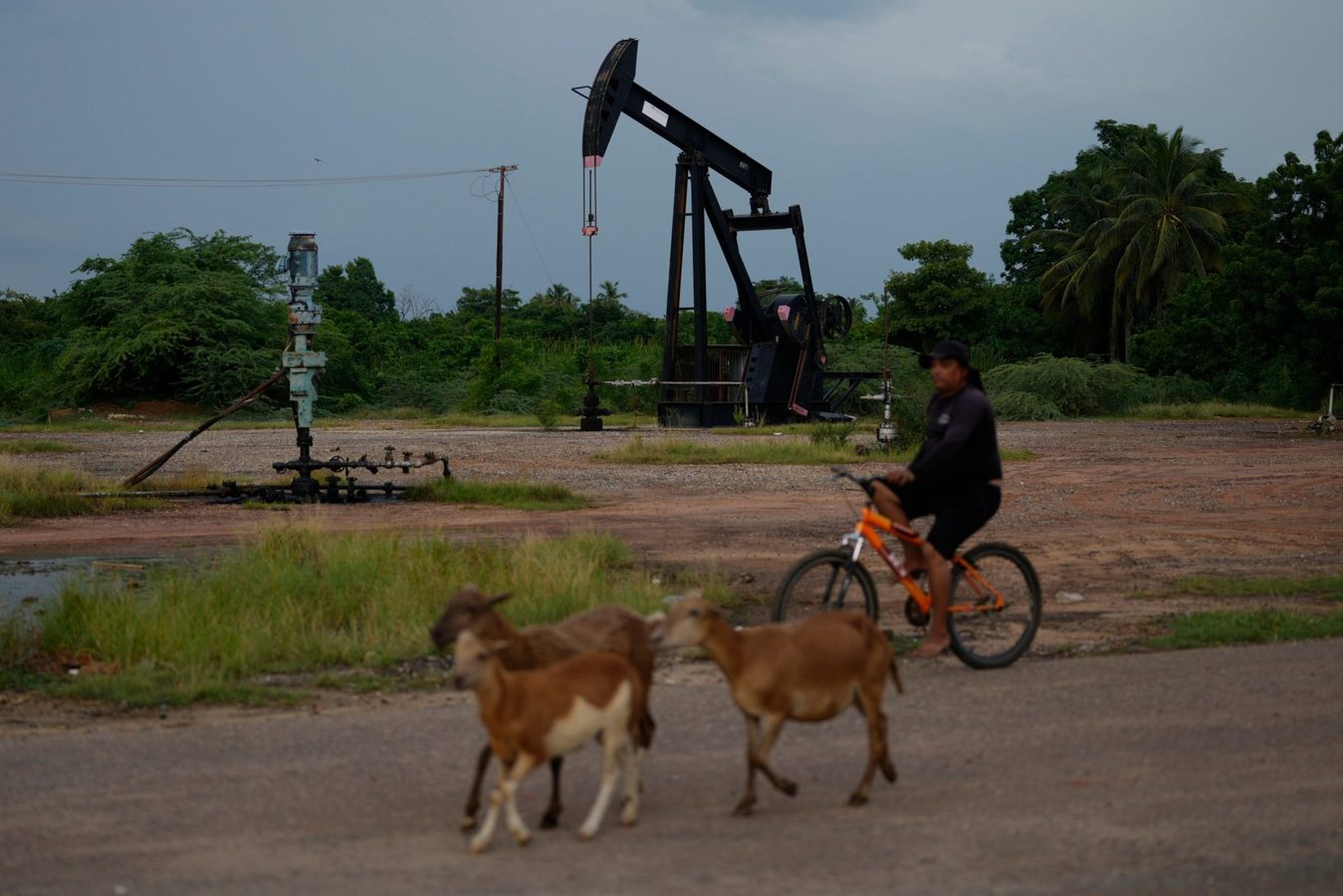
Chevron is preparing to expand its operations in Venezuela, a U.S. official said Tuesday, just days after President Donald Trump announced an ambitious agreement to develop the country’s oil reserves and give the Pentagon a share of the profits. The official, who briefed reporters on the expected announcement, said Chevron representatives and Energy Secretary Chris Wright are scheduled to visit Venezuela on Wednesday, where the new investment will be formally unveiled.
Chevron, the second-largest U.S. oil company and the only major American firm with a significant presence in Venezuela, did not immediately respond to a request for comment. The planned expansion follows the White House’s confirmation Monday that it is partnering with North American Blue Energy Partners (NABEP) as part of Trump’s push to revive Venezuela’s oil industry.
The sweeping agreement has drawn skepticism from analysts who say it will take years to restore Venezuela’s production. They have questioned whether acting President Delcy Rodríguez has the legal authority to grant NABEP 100-year rights over 17 oil fields holding an estimated 65 billion barrels of reserves, and whether future Venezuelan or American administrations would overturn the deal.
NABEP, owned by Venezuelan businessman Alejandro Betancourt, is already the second-largest operator in Venezuela. Under the agreement, a new company would be created in which the Pentagon would take a 35% ownership stake, and the State Department would have the right to buy 20% of the oil produced at cost. The U.S. administration defended its decision to partner with Betancourt, who has faced criminal investigations for alleged money laundering in Spain and Switzerland, according to multiple media reports. No formal charges were ever filed.
The official said Betancourt was vetted and the administration found that “no U.S. laws were violated.” The official also described Betancourt as the only viable partner available for the job, saying that “you have to work with the factors that you have in place.” The U.S. government is not investing money in the new company, the official told reporters, but its backing will help attract investment to ramp up production.
Analysts say the deal seems certain to face legal challenges and questions of legitimacy. The Trump administration negotiated the agreement with Rodríguez, who took power after the January military operation that captured Nicolás Maduro and brought him to the United States to face federal narcoterrorism and drug trafficking charges. The Venezuelan Constitution requires that contracts of this kind with foreign governments be approved by the National Assembly, which did not occur. The official said the agreement is a partnership with NABEP, a private entity headquartered in Barbados with its primary regional office and operations in Caracas.
The Trump administration wants elections to happen as quickly as feasible but is aiming to maintain stability as Venezuela transitions following decades of autocratic rule, the official said. The official argued that maintaining stability during such transitions “almost invariably requires you to work with elements of the existing structure, even as you are creating a new one.”
The Pentagon’s role in the deal comes through its Office of Strategic Capital, created under former President Joe Biden to invest in technology needed for national security. A second U.S. official speaking on condition of anonymity described the Venezuela agreement as “a very standard deal” and said the office has made several similar ones since Trump returned to office.
Trump has had his eyes on Venezuela’s oil since Maduro’s capture, and his aides call it a path away from reliance on oil from the Middle East. President Hugo Chávez completed the nationalization of Venezuela’s oil industry in 2007, leading major players like ExxonMobil and ConocoPhillips to leave Caracas.
Talking to reporters at the White House on Monday, Trump suggested that other oil companies were readying for business in Venezuela. “We have Exxon going in, we have Chevron going in. We have our big oil companies going in,” he said. ExxonMobil did not immediately respond to a request for comment. Trump in January said he was inclined to leave Exxon out of Venezuela after CEO Darren Woods called the country “uninvestable.”
Trump was scheduled to meet with a group of large and small oil refiners on Tuesday to discuss ways to increase America’s capacity to refine oil into gasoline. The White House has said that increasing the number of refineries and expanding capacity at existing facilities would eventually reduce prices for consumers. The administration also sees the need for more refineries to process oil from Venezuela.
55