Memorandum
- From
- Delaney Sawyer via FOX News
- Date
- Filed
- Business·5 min to read
- Re
Chad Wolf: Canada Cannot Expect Free Trade While Leaving Northern Border Vulnerable
ReChad Wolf: Canada Cannot Expect Free Trade While Leaving Northern Border Vulnerable
Former acting DHS Secretary Chad Wolf argues that Canada must address northern border security and trade barriers to secure a favorable USMCA renewal, as fentanyl seizures and terrorist apprehensions rise.
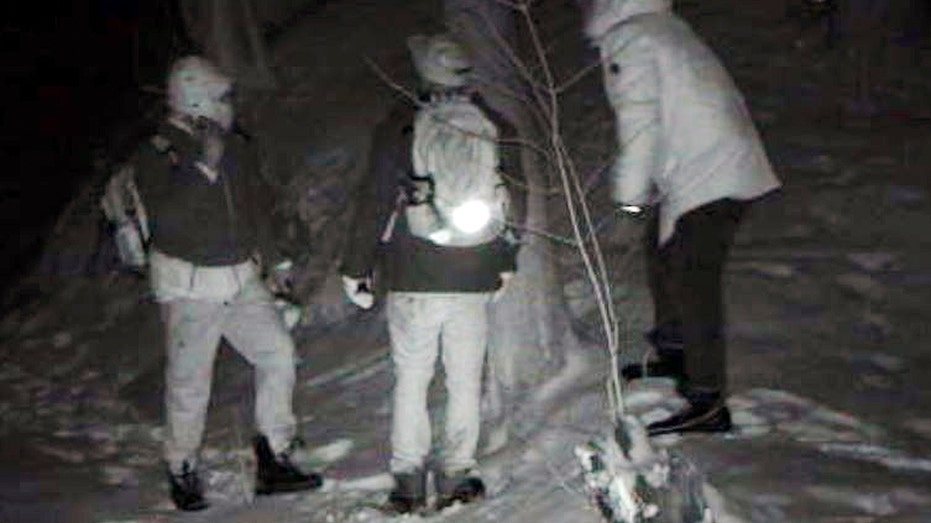
The United States is using its leverage in trade negotiations with Canada to demand serious action on northern border security, as drug trafficking, illegal crossings, and organized crime networks escalate along the world's longest undefended border. Homeland Security Secretary Markwayne Mullin recently testified that individuals from 78 nations have been apprehended crossing the northern border, and U.S. agents are arresting a terrorist on the watch list nearly every week. Over the past year alone, enough fentanyl to kill 17 million Americans has been seized coming through Canada, as cartels pivot north in response to intensified enforcement along the southern border.
The Trump administration declined to renew the United States-Mexico-Canada Agreement (USMCA) in its current form on July 1, opting instead for annual reviews until the agreement expires in 2036. Ottawa and Mexico City had sought a 16-year extension, but Washington refused. Roughly $900 billion in trade moves across the U.S.-Canada border every year, making Canada deeply dependent on predictable access to American markets. The administration has made clear that a new USMCA framework and the trade certainty Canada wants are available, but only if Canada commits to serious border enforcement, real resources, closed loopholes on small-package drug shipments, and accelerated passage of legal tools for Canadian law enforcement.
Canada's trade practices have long been a point of contention. The country's dairy supply management system functions as a government-sanctioned cartel, setting production quotas, controlling prices, and throttling foreign competition behind tariff walls that can exceed 200 percent. U.S. dairy producers have filed repeated USMCA dispute complaints over Canada's manipulation of tariff-rate quotas, arguing that Ottawa deliberately underfills import access in ways that violate the agreement's terms. In telecommunications, Canada has maintained legislative restrictions on foreign ownership for its Big Three carriers since 1993, producing some of the highest wireless prices in the developed world. American telecom companies cannot meaningfully compete in Canada. The same dynamic governs Canadian aviation, where roughly 78 percent of domestic flights are operated by Air Canada or WestJet, with foreign carriers locked out by restrictions that prevent American airlines from serving routes within Canada. Canada's own Competition Bureau has recommended opening the market, but Ottawa has not acted.
The northern border is becoming a genuine national security concern. Federal prosecutors have unsealed a string of recent cases documenting organized smuggling networks operating directly through the northern border. These networks are the front edge of a corridor that cartels and transnational criminal organizations are actively developing. Canada's illicit cigarette market is one of the most sophisticated contraband networks in North America, and it runs directly through the same corridors being used to move hard drugs and people. When law enforcement executed Manitoba's largest drug bust in history in May 2026, police found 1.35 million contraband cigarettes sitting in the same evidence locker. Investigators with decades of experience tracing illicit tobacco networks have noted that contraband cigarette revenues are a consistent funding stream for the same organized crime networks moving fentanyl south. Ottawa has known for years that the illicit tobacco pipeline and the drug pipeline share infrastructure, financing, and personnel, but the enforcement response has not matched the scale of the problem.
Congressional Republicans are raising the alarm, holding hearings and pressing Canada for action. The Trump administration has been direct about the trajectory: what happened on the southern border, where cartels have immense power and control nearly every crossing point, will come north unless cooperation deepens and hardens fast. Canada is a close ally and the relationship is worth protecting, but close allies do not get permanent exemptions from accountability, especially when fentanyl is flowing, cartels are scouting, and the border remains vulnerable. The United States has leverage, and the question is whether Canada will finally take action.
97