Memorandum
- From
- Delaney Sawyer via Carscoops
- Date
- Filed
- Business·4 min to read
- Re
California Used-Car Buyers Get Three-Day Return Window Under New Law
ReCalifornia Used-Car Buyers Get Three-Day Return Window Under New Law
California's Combating Auto Retail Scams Act took effect October 1, granting buyers of qualifying used vehicles priced at $50,000 or less a three-day right to cancel. Dealers may charge up to $750 in restocking and mileage fees, and the law also targets misleading pricing and unwanted add-ons.
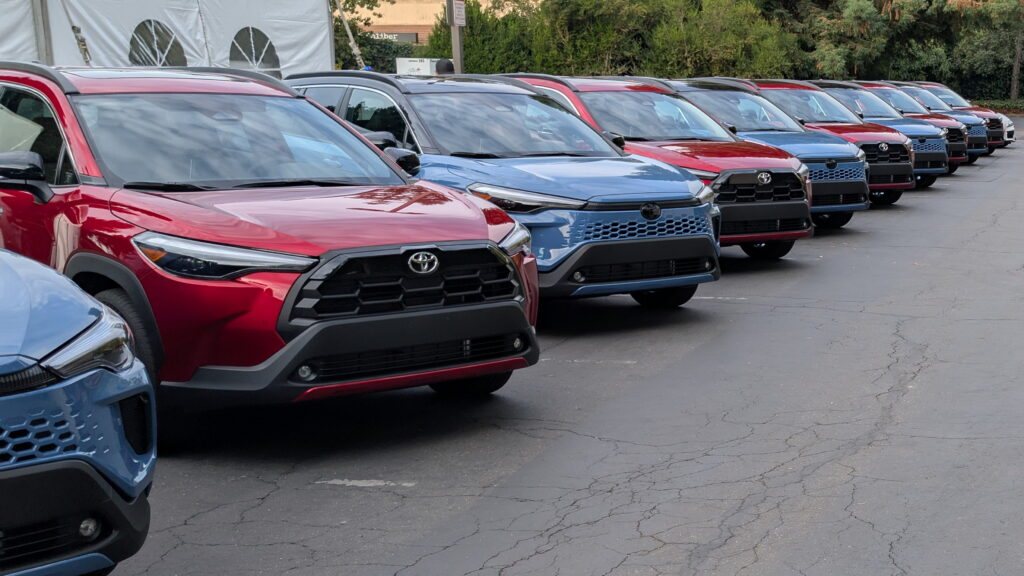
Californians who buy a used car from a licensed dealer now have three calendar days to change their minds, under a new state law that took effect October 1. The Combating Auto Retail Scams Act makes returns an automatic right for qualifying used vehicles priced at $50,000 or less, covering both purchases and leases. The law also targets misleading advertised prices and unwanted add-ons, and state officials estimate its pricing provisions could save buyers $234 million annually.
The return window is not a free weekend rental. The three-day clock starts the day after the contract is signed, and weekends count. If the dealership is closed on the final day, the deadline moves to its next open day. Buyers must bring the vehicle back to the selling dealer during business hours after driving no more than 400 miles. The car must be in essentially the same condition, though reasonable wear and mechanical problems that appear after delivery and were not caused by the buyer do not invalidate the return.
The law comes with a notable catch: dealers can charge a restocking fee of 1.5 percent of the vehicle's sale price, with a minimum of $200 and a maximum of $600. If the buyer drives more than 250 miles, the dealer can add $1 per mile beyond that point, up to another $150. Returning a $40,000 car after 400 miles could therefore cost $750. If the dealer paid for shipping, it can retain its actual shipping cost instead of the basic restocking fee, subject to the same cap.
Several vehicle types are excluded from the return right. New cars, private-party sales, motorcycles, and qualifying auction sales do not fall under the provision. The rule applies only to transactions through licensed dealers, and buyers no longer have to pay in advance for a separate cancellation option.
The law also addresses trade-ins. Dealers generally must give a customer's trade-in back. If they have already sold it or started transferring its title, they must pay the greatest of its agreed trade-in value, sale price, or fair market value, subject to any outstanding loan. After a valid cancellation, dealers generally have 48 hours to undo the contract and issue a refund, though payment verification can delay that deadline.
California officials have framed the measure as the strongest car-buying protection package in the country. In a social media post as the law took effect, Rohit Chopra said Californians would enjoy the strongest car-buying protections in the nation and that the state was eradicating junk fees and bait-and-switches that cost families money. The law was signed last year and drew attention from dealers ahead of its implementation, with compliance guidance circulating on how to advertise vehicles, price dealer addendums, present rebates, and quote payments.
For shoppers, the return provision offers something beyond fee limits: a way out of a purchase that looked better on the lot. The used-car market can be unpredictable, and buyers can spend weeks researching only to discover a troubling issue on the drive home. The new rules give them a short but formal window to reverse a deal, provided they stay within the mileage and condition limits and accept the potential restocking cost.
4