
Memorandum
- From
- Caroline Mercer via Fast Company
- Date
- Filed
- Business·5 min to read
- Re
AI Coach Brian Evergreen Tells Corporate America: Leaders Must Set the Vision
ReAI Coach Brian Evergreen Tells Corporate America: Leaders Must Set the Vision
Brian Evergreen, a former Microsoft Research executive, has built a fast-growing coaching practice teaching companies like Lululemon that AI cannot supply vision — leaders must. His message arrives as firms prepare to spend over $1 trillion on AI while only 6% see returns within a year.
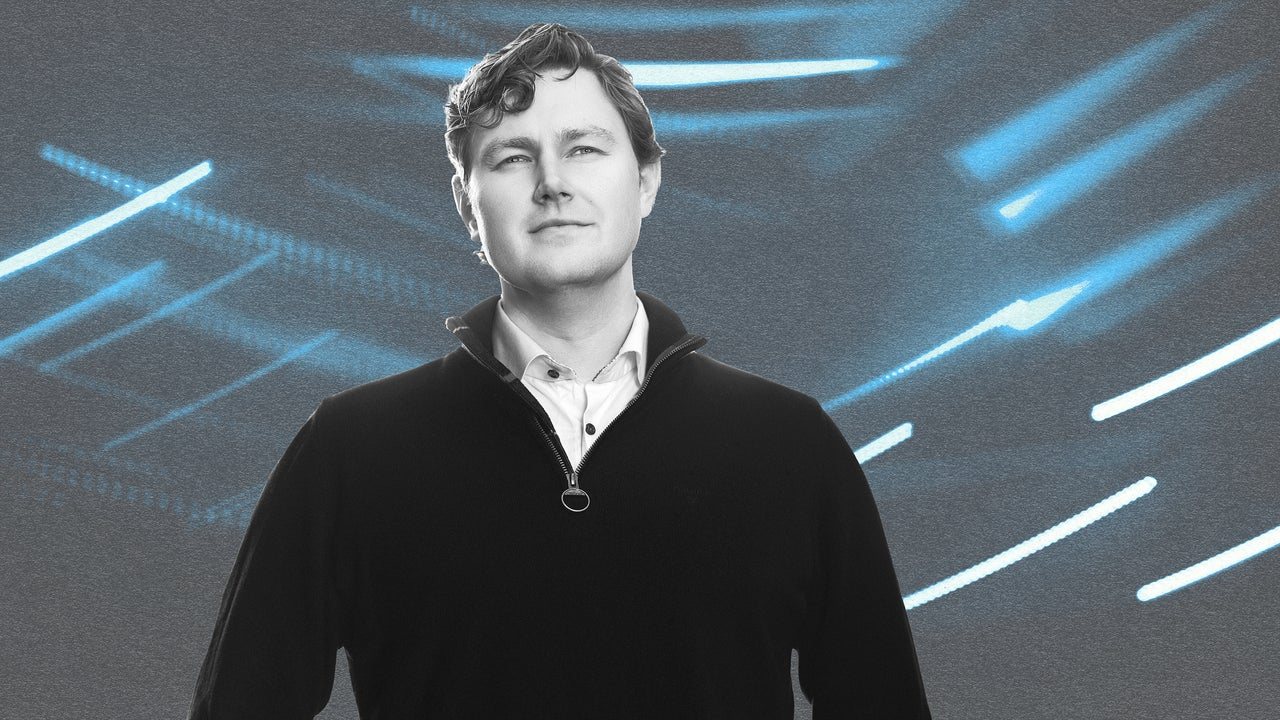
Brian Evergreen has a message for corporate America that he delivers with the persistence of someone who will not let a four-hour dinner end until it lands: artificial intelligence does not have vision. Leaders do. And until executives choose the future they want to build, their AI investments will keep producing incremental improvements on legacy systems rather than meaningful transformation.
Evergreen, a former global head of autonomous AI co-innovation at Microsoft Research and author of «Autonomous Transformation: Creating a More Human Future in the Era of Artificial Intelligence», has turned that conviction into a coaching practice that has grown by 200% each year since he started it in 2023. His client list includes Microsoft, Accenture, Amazon Web Services, Salesforce, IBM, and NASA. Clients credit him with saving them billions of dollars, and one leader of a global building-materials manufacturer described Evergreen's value as «at least 20x what we paid,» saying he redirected the leadership team away from work that added no value and toward what needed to get done. Two years later, the company still uses his framework.
That framework, which Evergreen calls Future Solving and has trademarked, rests on two ideas. First, the key to using AI effectively is choosing the future you want to build and then creating a strategy to get there with the resources you have. Second, that future depends on humans being empowered by AI, not replaced by it. Evergreen points to McDonald's removing human cashiers at some locations, only to see customers drive out of their way to a location with a human. «We're all wearing out the 0 button on our phones trying to reach a human,» he says.
The stakes for getting this wrong are enormous. Companies are set to invest over $1 trillion in AI this year, according to an analysis by Goldman Sachs. Yet a separate analysis from Deloitte found that only 6% of companies are seeing a return on their investments within a year. Evergreen argues that most organizations solve for problems, which yields only incremental gains, instead of solving for the future they want to create.
One company hoping to reverse that pattern is Lululemon. The athleisure brand has faced heightened competition from Alo and Vuori, agitation from founder Chip Wilson against the company's direction, and a leadership vacuum after new CEO Heidi O'Neill was hired in April 2026 but could not start for five months. Its chief AI officer, Ranju Das, left in August after less than a year on the job, and in early September the stock price fell to $102, an eight-year low.
Shadi El Baba, Lululemon's vice president of guest support, first encountered Evergreen last year and was struck by his example of Expedia charging a premium for letting customers talk to a human about travel plans. That inspired El Baba to make the internal case to work with Evergreen and «fully lean into the human element of customer support,» turning the function from a cost center into a revenue driver. He invited Evergreen to Lululemon headquarters to run a workshop for about 15 direct reports and other leaders, followed by a fireside chat with roughly 100 employees. El Baba's goal is to crystallize a vision for delivering a premium guest experience at a moment when the company is losing customers.
Evergreen is unfazed by the pressure. «I always welcome the opportunity to work with brands that have had a great deal of influence,» he says. «Lululemon has faced some headwinds, but I'm excited to see if Future Solving can help them surge to new growth.»
His broader point is that the AI conversation has been dominated by questions about capability and risk while the more important question goes unasked: what future do you actually want? Evergreen notes that there are 27 different types of AI, according to Gartner, and that machine learning and reinforcement learning have already delivered returns — for example, allowing manufacturing engineers to test process improvements digitally without physical waste. Generative AI, by contrast, has not delivered as much for his clients. He is also skeptical of the idea that AI will kill us, urging people to pay attention to who is making such claims and what incentives they have.
For leaders, the lesson is straightforward. Technology can execute, optimize, and scale, but it cannot decide what is worth doing. That choice, Evergreen argues, remains a human responsibility — and the companies that make it deliberately will be the ones that turn a trillion-dollar spending wave into something more than expensive experimentation.
6