Memorandum
- From
- Derek Weston via fox - Most Popular
- Date
- Filed
- Sports·4 min to read
- Re
NFL warns clubs they cannot sign any player who returns to college football for 2026 season, memo says
ReNFL warns clubs they cannot sign any player who returns to college football for 2026 season, memo says
The NFL has reminded its 32 clubs that any player who returns to college football after being cut from an NFL roster will be ineligible to sign with a team for the 2026 season, according to a league memo obtained by ESPN.
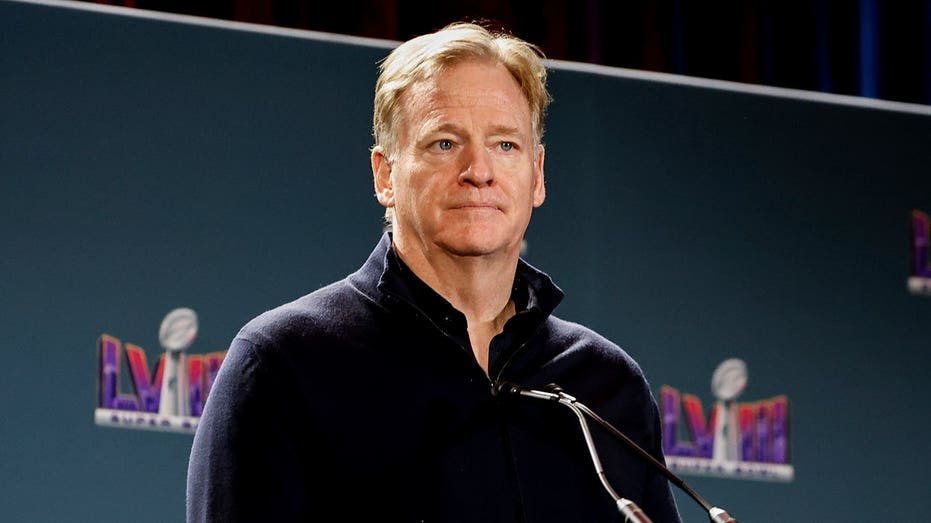
The NFL has formally reminded its clubs that any player who returns to college football after being released from an NFL roster will be barred from signing with a team for the 2026 season. The league issued a memo Wednesday, obtained by ESPN, reiterating existing rules that classify any player cut from an NFL contract as a free agent — but with a critical restriction: if that player chooses to go back to college, they cannot be signed by any NFL club for the remainder of the season.
The memo comes amid growing uncertainty in the college football landscape, as multiple players who briefly entered the professional ranks are now attempting to return to college athletics. Among them is tight end Dae’Quan Wright, who cleared waivers after being released by the Cleveland Browns this week. Wright was expected to sign with LSU, where he would reunite with his former Ole Miss coach, Lane Kiffin. Defensive lineman Zxavian Harris, who was cut by the New Orleans Saints, is also expected to join Kiffin at LSU. Both players were teammates during Ole Miss’ College Football Playoff run last season, before Kiffin took the LSU vacancy mid-season following the firing of Brian Kelly.
The NFL’s memo also clarifies that any player cut by an NFL team who returns to college for the 2026 season will still be considered a free agent and will not be eligible to enter a future NFL Draft. That provision effectively closes the door on players trying to preserve both their college eligibility and their professional prospects simultaneously.
Wright and Harris had received a temporary restraining order that allowed them to return to college football, granting them an extra year of eligibility. However, hours after Wright cleared waivers, the SEC and Big Ten — which will soon be joined by the ACC and Big 12 — announced new eligibility guidelines that would prevent players who have participated in professional sports from reentering college athletics. Under those new policies, any athlete who has signed with an NFL team, declared for the NFL Draft, or participated in any type of professional training camp will be ineligible for conference competition.
The new conference rules have sparked a legal backlash. Attorney Ryan Downton, who represents a number of players trying to get back into the college landscape, told OutKick’s Trey Wallace on Tuesday night that they are currently “working on a legal strategy” to challenge both the NCAA and the conferences that enacted the new guidelines. “The SEC’s actions put the NCAA in contempt of multiple court orders,” Downton said. “It is cartel-like conduct when NCAA conferences attempt to create their own spur of the moment rules in response to Courts enjoining those same rules at the NCAA level.”
The situation highlights the ongoing tension between the NFL, college athletics, and the courts over player eligibility and the boundaries between amateur and professional sports. As players like Wright and Harris attempt to navigate the shifting rules, the league’s memo serves as a clear warning that returning to college football carries significant professional consequences.

57