Memorandum
- From
- Connor Quincy via fox - Most Popular
- Date
- Filed
- Sports·4 min to read
- Re
Dodgers Acquire Tarik Skubal in Blockbuster Trade That Exposes MLB's Competitive Divide
ReDodgers Acquire Tarik Skubal in Blockbuster Trade That Exposes MLB's Competitive Divide
The Los Angeles Dodgers acquired AL Cy Young Award winner Tarik Skubal from the Detroit Tigers in a three-player deal that reignited debate about competitive balance across Major League Baseball.
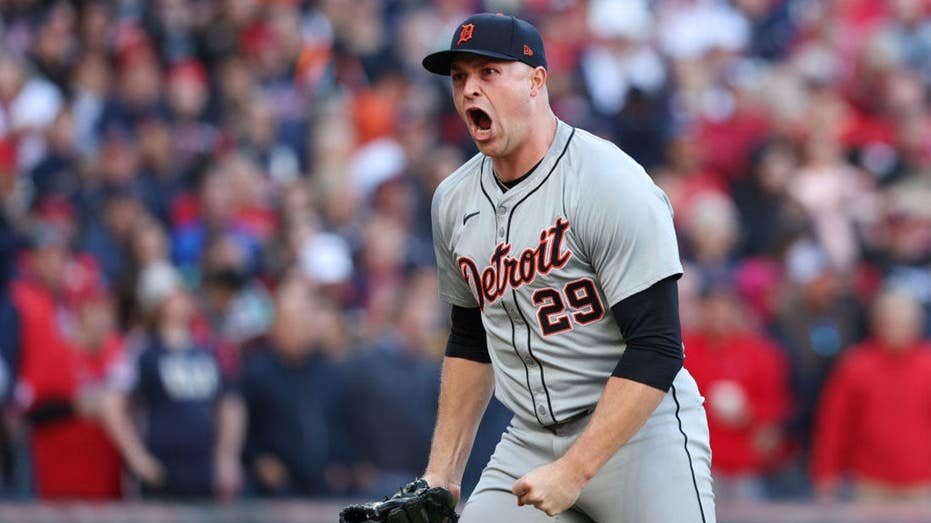
The Los Angeles Dodgers acquired Tarik Skubal, the reigning American League Cy Young Award winner, from the Detroit Tigers in a blockbuster late-night trade that sent three young players to Detroit and sent shockwaves through baseball fan social media.
Heading to the Tigers are outfielder Zyhir Hope, right-hander River Ryan, and minor league pitcher Brady Smith. Hope, 21, is regarded as one of the sport's top prospects after hitting.293 with a.369 on-base percentage and a.530 slugging percentage in 94 games at Double-A, with 23 home runs and 18 stolen bases. Ryan has already started his major league service-time clock and is viewed as ready to pitch in a rotation now, with a « monster » fastball and strong underlying metrics despite an ERA inflated by batted-ball luck. Smith was striking out more than 14 batters per nine innings in the minors as of last week and has drawn praise for his raw stuff.
The immediate reaction was fierce. Many fans were bewildered that the Tigers did not receive more, while others responded with familiar calls to cancel the season, cancel the next one, and push for a lockout. But the deal looks different when measured against how modern front offices value players and control.
Skubal's contract expires at the end of the season, meaning the Dodgers traded for roughly nine or ten regular-season starts and a five-day exclusive negotiating window rather than for the rest of his career. That makes Detroit's return significant. Hope has yet to reach the majors, so the Tigers will control him for six seasons at well below market rates. Ryan is under control for years to come, and his peripheral numbers are considered impressive.
A long-term deal in Los Angeles is hardly guaranteed. The Dodgers have traded for elite players before and let them leave in free agency, including Manny Machado in 2018, Max Scherzer and Trea Turner in 2021, and Yu Darvish in 2017. Homegrown star Corey Seager also departed, signing with the Texas Rangers after the 2021 season. Skubal is represented by Scott Boras, whose clients rarely sign extensions and generally wait for the open market to determine their value.
That context points to what many observers see as MLB's real problem. The Dodgers did not acquire Skubal because they outspend everyone; any team could afford the remainder of his salary. They made the move because they are one of a handful of organizations that treat winning as the primary goal in competitive sports. The Brewers, Rays, Braves, and Cubs may have been able to top Los Angeles' offer, but they were not willing to do so.
Milwaukee offers the clearest example. The Brewers have been the best team in baseball over the past two seasons, and they had a better record than Los Angeles this season while also finishing four games ahead of the Dodgers in 2025. Their rotation is not at full strength, with Brandon Woodruff out for the season and Kyle Harrison on the injured list. Adding Skubal would have given Milwaukee a postseason rotation built around him and Jacob Misiorowski, with Harrison and Logan Henderson as support.
Instead, Skubal joins a Dodgers club that remains the favorite in the National League. The broader lesson of the trade may be less about Los Angeles' dominance and more about how many teams are willing to turn premium prospect depth into a genuine chance at a championship. Flags fly forever, and championship banners last forever. Surplus prospect value does not.