
Memorandum
- From
- Caroline Mercer via fox - Most Popular
- Date
- Filed
- Sports·4 min to read
- Re
Caitlin Clark Addresses Transgender Athlete Controversy Without Taking a Side
ReCaitlin Clark Addresses Transgender Athlete Controversy Without Taking a Side
Indiana Fever star Caitlin Clark responded to questions about teammate Sophie Cunningham's comments on transgender athletes in women's sports, saying the issue should be left to leagues and governing bodies.
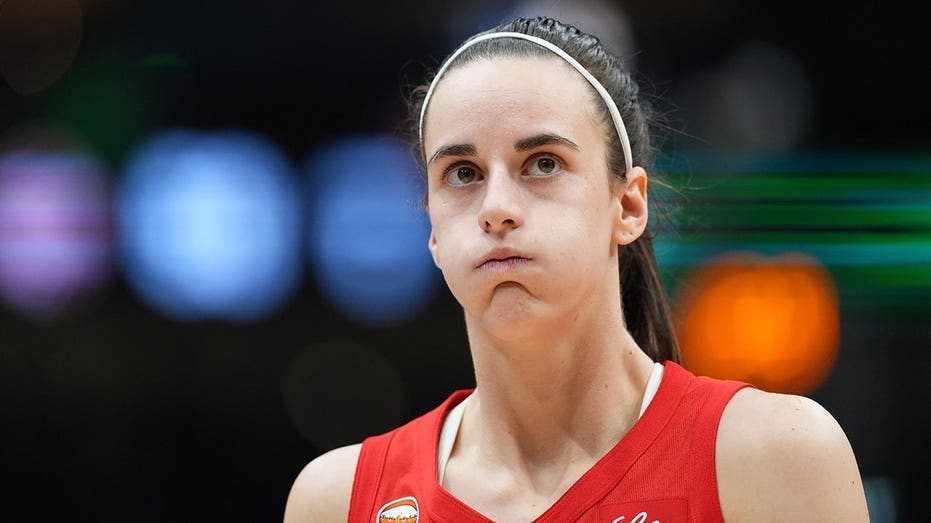
After days of silence, Caitlin Clark has publicly addressed the transgender athlete debate sweeping the WNBA, and she did so without endorsing either side.
The Indiana Fever star spoke Sunday following her team's 108-100 loss to the Minnesota Lynx, when a reporter asked about teammate Sophie Cunningham's recent statement that biological males should not compete in women's sports. «I think it's for leagues and governing bodies to work with their athletes to find solutions», Clark said. «Our focus is on basketball. That's what we talk about and how we can get wins and obviously we didn't do that tonight.»
When the reporter pressed for a personal reaction, Clark responded: «I just answered.» She did not say whether she agrees with Cunningham that women's sports should be reserved for female athletes, nor did she side with Lynx coach Cheryl Reeve, who wore a «Trans kids belong» shirt during Sunday's game.
The exchange capped a turbulent road trip for Indiana. Cunningham set off the controversy when she said young girls «shouldn't have to go against biological men» and argued that female athletes deserve protection in locker rooms and competition. Her comments followed the Fever through Seattle, Portland and Minneapolis, where supporters and critics gathered outside arenas. Cunningham was loudly booed, while opposing players and coaches wore shirts expressing support for transgender inclusion.
Clark had stayed quiet through that stretch. The Fever kept her away from the postgame podium after the first two games of the trip. Following a victory in Seattle, Indiana sent Kelsey Mitchell and Monique Billings to speak alongside head coach Stephanie White. After Clark recorded a triple-double in Friday's win over Portland, she still did not appear; Aliyah Boston and Makayla Timpson took questions instead. When a reporter tried to ask Boston and Timpson about Cunningham's comments, a Fever public relations representative ended the news conference, saying, «We're going to wrap up here.»
On Sunday, Clark was at the podium with Mitchell and White. Her answer was measured and disciplined, and it left neither side of the debate with a sound bite to celebrate. Transgender rights supporters may argue that the biggest star in women's sports should have used her platform to voice support for inclusion. Advocates for maintaining female-only competition may argue that Clark should have defended the category in which she built her career.
Clark has more to lose than most players by taking a firm public position. She holds major sponsorships, sells sneakers, appears in commercials and attracts a fan base that extends well beyond the WNBA's traditional audience. A definitive answer on either side would almost certainly alienate part of that audience. Clark has also faced hostility from players inside the league, which makes the safest response understandable.
The «our focus is on basketball» line may ring hollow in a league that has encouraged players and coaches to make social and political statements. Reeve delivered hers on the sideline. Other players made theirs with pregame shirts. Cunningham made hers in an interview. Clark chose not to play along, and her response was polished enough to avoid giving either side a definitive answer.