Memorandum
- From
- Delaney Sawyer via Fortune | FORTUNE
- Date
- Filed
- Society·6 min to read
- Re
Wealthy donors give generously but often without a clear plan
ReWealthy donors give generously but often without a clear plan
A former nonprofit fundraiser turned philanthropic advisor says many wealthy donors give reactively, through personal relationships, leaving charities vulnerable as trillions in wealth changes hands.
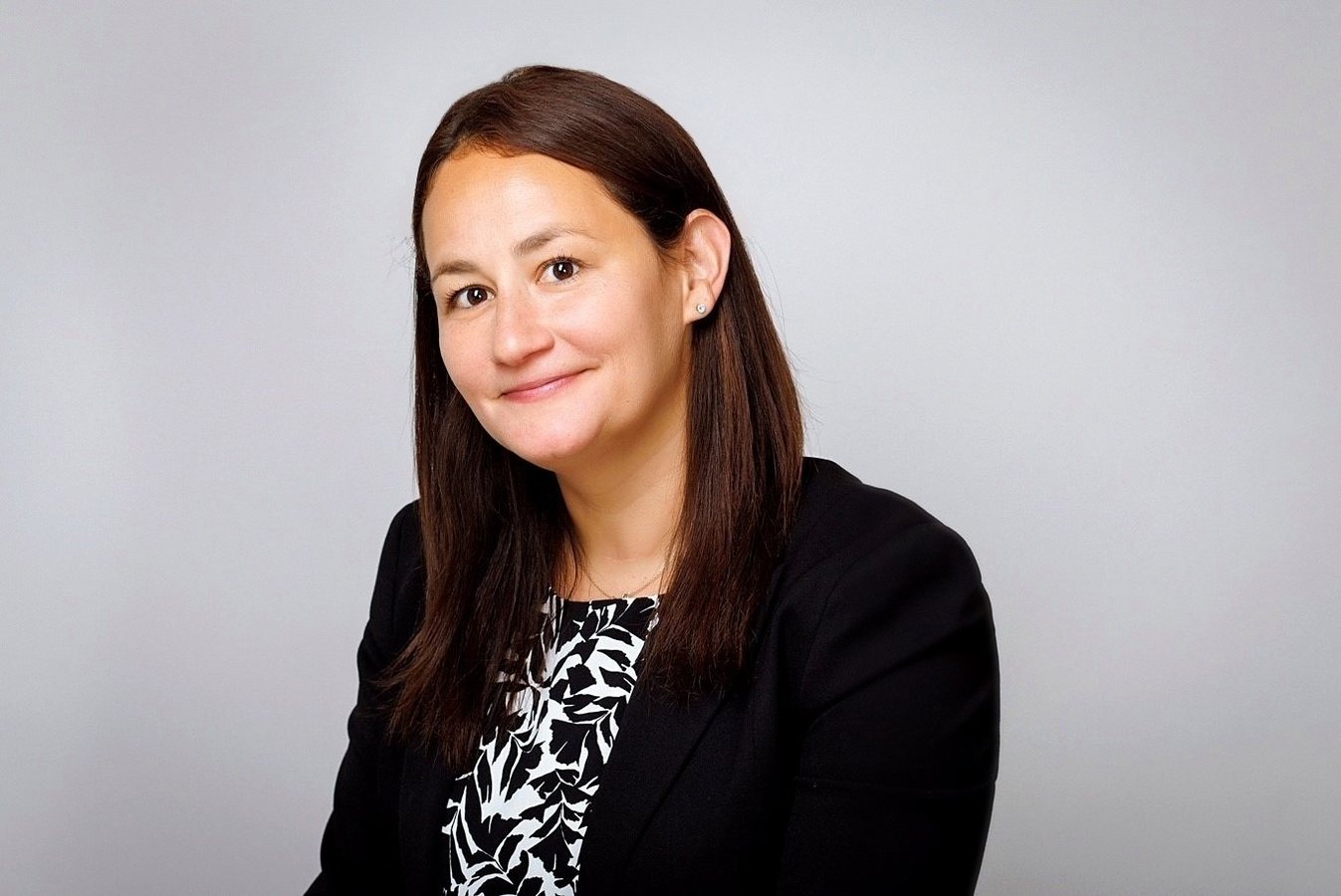
Wealthy donors are not short on generosity. What many of them lack, according to a longtime nonprofit fundraiser who now advises philanthropists, is a plan. After two decades of making the case for gifts to organizations serving children and families, the author says the pattern was consistent: money tended to follow whoever happened to make the request, rather than the mission the organization was trying to advance.
The author describes a recurring phone call from donors who regretted not giving more in a given year, because their charitable plans had been pushed aside by other priorities. Many donors, the author says, bought tables at friends' galas out of obligation rather than because the cause fit their goals. Philanthropy was central to how these families saw themselves, yet many could not articulate what their giving was meant to achieve.
The stakes are rising. The author cites an estimate from Cerulli Associates that $124 trillion will change hands by 2048, most of it passing to heirs, with roughly $18 trillion expected to go to charity. The author argues that the reactive, relationship-driven and year-to-year way many families give is not built for impact at that scale. Without change, the next generation would give the way their parents did, only with far more money involved.
The author says the problem is visible in the donor relationships they managed. Some gifts were made because a friend or business associate on the board asked. When that board member rotated off, the gift often went with them. Those donors had not lost faith in the organization's work; their connection had been to a person rather than the mission. In the author's account, the cost was concrete. Renovations to an after-school site were postponed, and families waited for services while staff scrambled to replace the lost funding.
The donors who remained over time were those who had connected directly with the work. In one example the author gives, a donor visited in person, met the young people served and understood what the gift made possible. At that point, the author writes, the relationship ran through the mission rather than the board member, and it outlasted any board term. The author says such a connection had to be direct and specific to last.
The risk is greatest for smaller organizations, often those closest to communities with the greatest need. In these groups a single donor can account for a large share of the budget, and when that donor steps away, the money goes too. Rebuilding a funding base one relationship at a time can take years, and many small organizations do not have that time. The author argues that across thousands of nonprofits the problem becomes broader, because giving that follows relationships rather than mission sends money to the best-connected boards, not necessarily to the groups doing the most important work.
Even well-funded organizations, the author says, struggle to plan more than a year ahead when gifts can leave with a single board member. Staff spend time replacing money instead of serving people, and young people wait longer for commitments they were already promised.
The author also points to donor-advised funds, or DAFs, which function as charitable savings accounts: donors take a tax deduction now and decide where the money goes later. Assets in these funds more than quadrupled in under a decade, reaching $326 billion in 2024. The author notes that many donors use DAFs well, but because a DAF requires no payout and no plan, money can sit for years while needs grow. The author attributes this partly to donors being busy, frequently solicited and worried about getting their decisions wrong.
When donors asked nonprofits what they needed, the author says the answer was almost always the same: unrestricted dollars and trust in leadership to direct the gift where it was most needed. The author writes that the message they often wanted to deliver, but rarely could, was simply to trust the organization and not be afraid to give.
The author's proposed remedy starts with families. Philanthropists should bring children and grandchildren into giving decisions, commit to multiyear, unrestricted support for trusted organizations, and treat a charitable plan with the same seriousness as an estate plan. Wealth managers, estate attorneys and DAF sponsors can help by asking every client whether they have a giving plan. The author stresses that such a plan does not mean giving less. Families can begin with a few questions: what values matter most, whether they have seen the work they fund, which organizations they trust enough to support in general operating terms, and whether their children understand why the family gives.
The author concludes that trillions of dollars are about to change hands, and that families who pass down the reasons behind their giving, not just the amounts, will leave an inheritance worth more than the money itself.
30

Source: Wealthy donors don’t lack generosity. They lack a plan