
Memorandum
- From
- Delaney Sawyer via Fortune | FORTUNE
- Date
- Filed
- Society·6 min to read
- Re
Advocates urge parents to skip AI teddy bears this holiday season
ReAdvocates urge parents to skip AI teddy bears this holiday season
Safety researchers and a trial lawyer warn that AI-powered toys can change after purchase through software updates, raising risks for young children. A coalition of more than 155 groups has asked Amazon and eBay to pull certain AI toys pending independent testing.
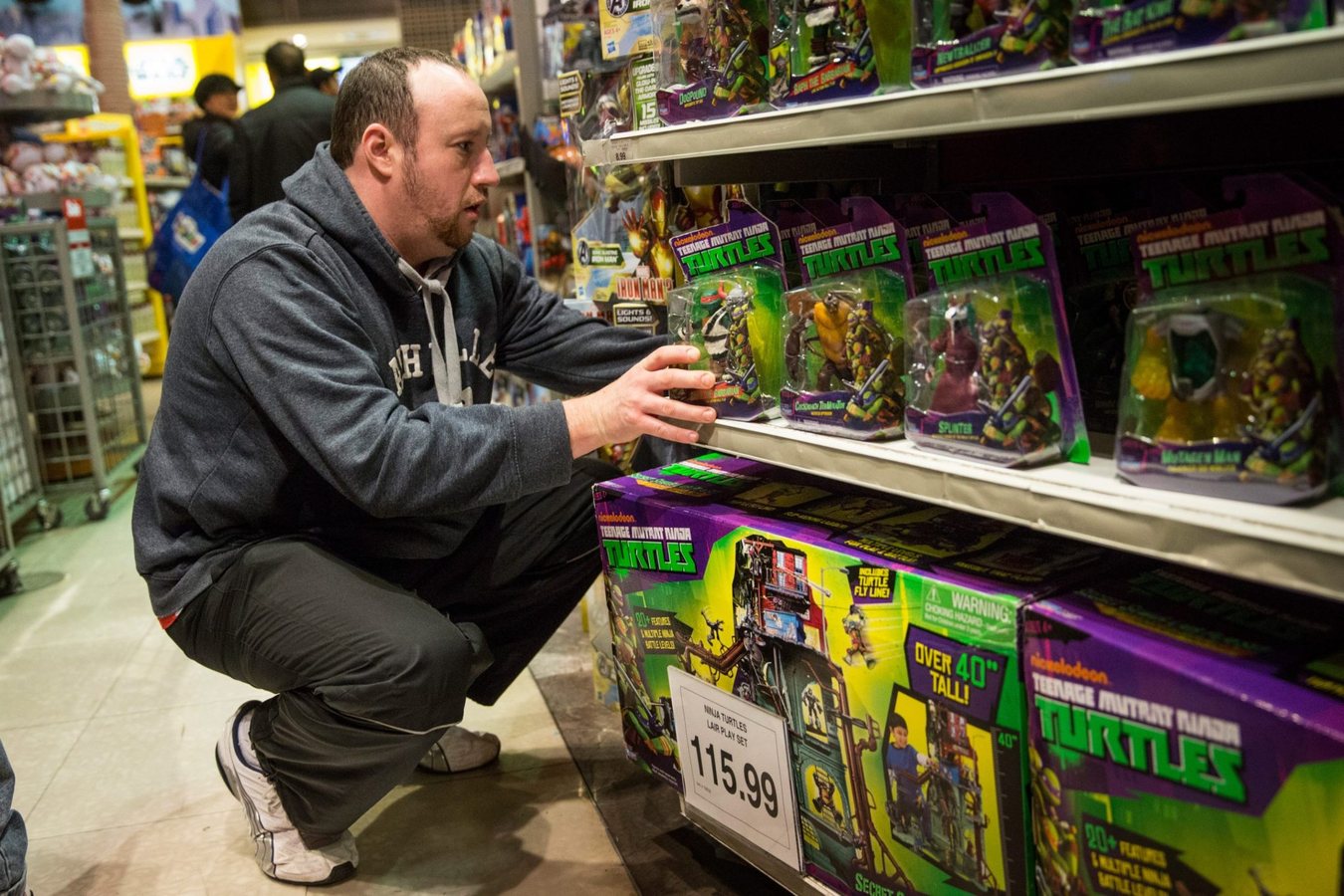
Holiday shoppers hunting for a gift for a young child this Black Friday may be tempted by an AI-powered stuffed bear that tells stories, answers questions and seems to remember things about the child. Child safety advocates and a trial lawyer who handles children's digital safety cases are urging buyers to leave such toys in the cart, arguing that even a toy that checks out today could be a different product by February.
The core concern is that the software driving a connected toy can change after it reaches the home. A manufacturer could swap in a new AI model or alter the filters that determine what the toy says, potentially without any family noticing. That raises a question that current toy safety routines do not clearly answer: who retests the product when its behavior changes, and who is responsible for telling families when something goes wrong.
The concern is grounded in recent testing. FoloToy's Kumma teddy bear was one of the products examined by the U.S. PIRG Education Fund in its annual Trouble in Toyland report. Last year's testing found the bear capable of engaging in remarkably inappropriate conversations. FoloToy suspended sales, conducted a safety review and strengthened the toy's safeguards. Researchers found in their 2026 report that the company had addressed the earlier problems, although it was less clear which AI model now powered the bear's conversations.
That example cuts both ways. The fact that a manufacturer can make a toy safer through a software change is encouraging. But the same remote capability means a later modification could make an acceptable toy dangerous. This year's testing of the GoLabs AI panda illustrates the stakes. Researchers reported that the panda's protections failed during testing, allowing conversations involving explicit sexual material and hazardous household items.
The author, a trial lawyer who works on children's safety in digital environments, argues that safeguards must hold up over long conversations, not just a single test. Young children are curious and persistent, and they often ask the same question repeatedly, sometimes rephrasing it each time. A toy meant for young children, the argument goes, should be designed and tested with that behavior in mind.
Existing children's product standards already reflect how children play. Regulators limit the size of small toy parts because young children put things in their mouths, and they consider the materials in toys because children sleep with them and carry them everywhere. The argument is that software deserves the same scrutiny. If a manufacturer changed the material of a stuffed animal, few would object to evaluating whether the new material posed a risk. The same logic, the author contends, should apply when the component being changed is software.
The author proposes specific steps. Manufacturers should bear primary responsibility for arranging and paying for fresh safety evaluations whenever they switch AI providers, add conversational features or change the software that filters inappropriate content, and those changes should be independently evaluated before reaching children. The author also says the testing records for every version that materially altered a toy's interactions with children should be available, not only for the original release.
The legal dimension is also changing. Traditional product liability cases often reconstruct how a product looked when it left the manufacturer's control. Internet-connected toys may stay under a manufacturer's influence for years after sale, the author notes, and the legal responsibilities that come with that continuing control deserve far more attention.
The issue has also reached the largest online marketplaces. On Monday, more than 155 child safety organizations and experts called on Amazon and eBay to withdraw certain AI-enabled toys pending independent safety testing. The coalition identified more than 50 such toys recently available on Amazon's U.S. marketplace and asked that existing customers be notified and offered refunds.
Removing a listing does little for a child who has already been using a toy for months, which is why the author places particular weight on the refund and notification request. Amazon and eBay hold electronic purchase records that let them reach many of the people who already bought these products. If credible evidence emerges that an AI toy poses a significant risk, the author argues, marketplaces should contact affected customers directly, explain the problem and facilitate refunds even if the ordinary return window has closed. Manufacturers, the author adds, should suspend unsafe conversational features and cooperate with product safety regulators when needed.
The author also wants online marketplaces to require manufacturers to disclose material changes to the AI systems powering their toys as a condition of continuing to sell them. A parent has little ability to judge whether a software update has introduced a new safety problem, and even a careful buyer who researches a product before purchase cannot be expected to repeat that research every few weeks. The author notes that families are being asked to trust products whose behavior can shift without warning, and that this makes independent oversight and clear disclosure essential.
13

Source: Leave the AI teddy bear in the cart this Black Friday