
Memorandum
- From
- Caroline Mercer via FOX News
- Date
- Filed
- Society·4 min to read
- Re
Tuskegee University president defends dress code as workplace preparation
ReTuskegee University president defends dress code as workplace preparation
Tuskegee University President Dr. Mark Brown defends the school's renewed dress code and conduct standards, arguing the policy prepares students for professional life. Critics, including free speech advocates, say the rules restrict personal expression, while Brown emphasizes job readiness and notes that 70% of recent graduates had jobs lined up.
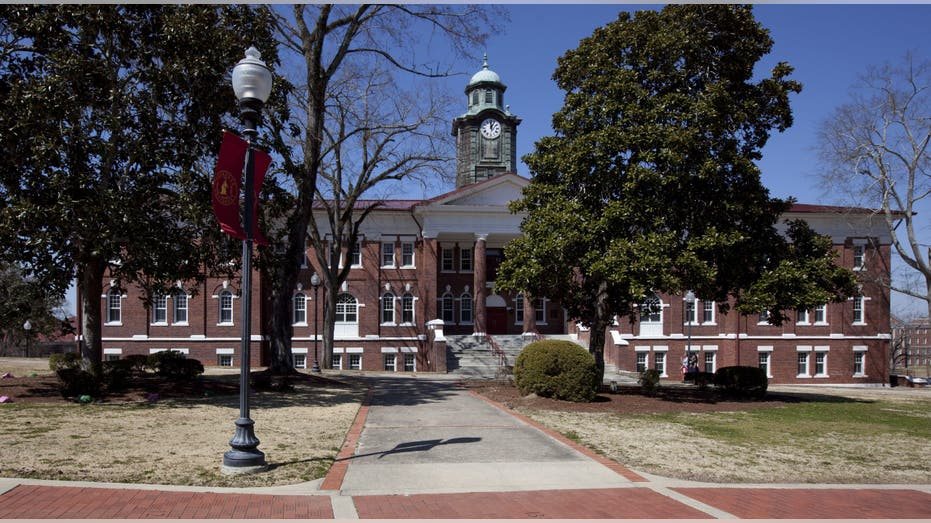
Tuskegee University President Dr. Mark Brown is defending the historically Black university's renewed emphasis on student dress and conduct standards, saying the policy is aimed at preparing students for the workplace rather than policing personal style. "If you raise the bar, students will reach it," Brown said in an interview. "Why don't we raise the bar? That's what I think we ought to do. We're unapologetic about that part."
The policy, which requires business suits for business-like meetings, professional dress in classrooms, and bars non-religious head coverings, has drawn criticism from freedom of expression advocates. The Foundation for Individual Rights in Education (FIRE) has objected to restrictions on items such as durags and bonnets, framing the rules as an overreach. "Tuskegee can't promise students broad freedom of expression while enforcing a sweeping dress code that regulates ordinary, non-disruptive expression," FIRE Senior Program Counsel Haley Gluhanich said in a statement. "Preparing students for professional life is a legitimate goal, but it does not hinge on requirements about what adults wear to class or lunch."
Brown, a retired Air Force major general, said the dress code should be viewed as one part of a broader push toward student success that includes punctuality, attendance, internships, professional certifications, interview preparation and workplace readiness. "The focus is how do I make you a professional in whatever space you want to go in?" he said. "Any higher education institution in the country that's not focused on student success, no matter what type of university that is, is not focused where they should be. That's why we exist."
The policy itself is not new, Brown said, but Tuskegee is placing "greater emphasis" on it as part of an effort to ensure graduates leave campus prepared not only with a degree, but with the habits employers expect. "It's not the world we wish you were going into, it's the world you're going to go into," he said. "It's not the way that we wish an employer would perceive you. It's the way the employer will perceive you."
Brown said the debate over whether college is worth the cost has put greater pressure on universities to demonstrate that students are being prepared for what comes after graduation. He pointed to punctuality as one example of a habit that may appear minor in the classroom but can carry significant consequences in the workplace. "Would it be sad for us to allow a student to come to class late, practice that for four to five years, and then find out that no matter how great they were with their 4.0 or 3.8 GPA, it won't keep them that job?" he said.
Critics have also questioned whether professional dress requirements could place an added financial burden on students. Brown said Tuskegee is prepared to address that concern directly. About 70% of students on campus are Pell Grant eligible, he said, and the university's Golden Tigers Community Closet is available to students who need help obtaining professional clothing. "If a student needs help with that, we're going to help them," Brown said. "That's not going to be the barrier between compliance and getting ready. We're going to remove that barrier."
The university also plans to bring in a professional several times during the school year to teach students the details of business attire, including how to button a coat and properly wear a tie. Brown pointed to the school's recent employment numbers as evidence that its approach is producing results. He said roughly 70% of students who graduated in May already had jobs lined up. "Seven out of every 10," Brown said. "That is the challenge. That's what we should be debating."
112