Memorandum
- From
- Delaney Sawyer via fox - Opinion
- Date
- Filed
- Society·5 min to read
- Re
John Quincy Adams Urged Bible Reading as Key to Good Citizenship
ReJohn Quincy Adams Urged Bible Reading as Key to Good Citizenship
As civic literacy declines, John Quincy Adams's letters to his son argue that biblical education is essential for forming citizens capable of self-government, a lesson with renewed relevance on Constitution Day.
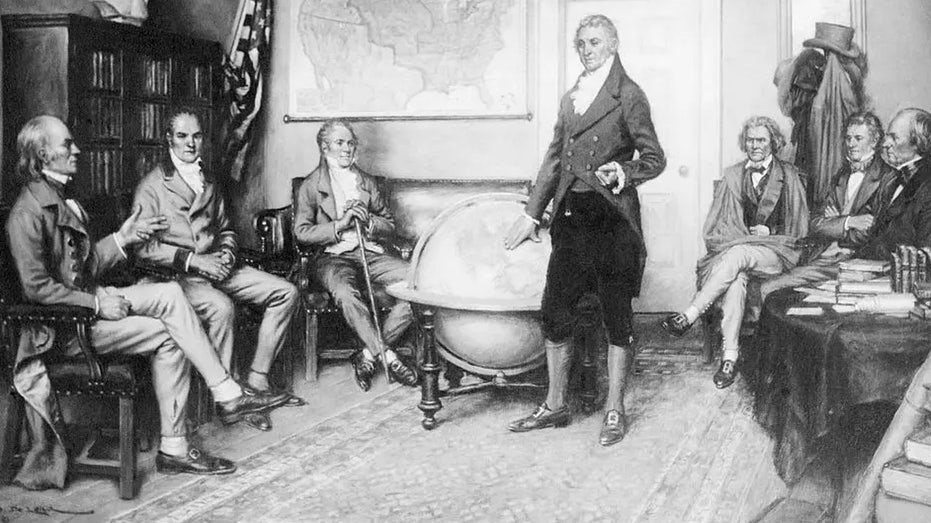
As debates over civics education intensify and Constitution Day passes with little notice in many schools, the example of John Quincy Adams offers a striking counterpoint. While serving as U.S. minister to Russia, Adams wrote a series of letters to his son that focused not on career advice or wealth, but on a single daily assignment: read the Bible.
Adams believed no education could be complete without Scripture. He wrote that the Bible, when «duly read and meditated on,» is «of all books in the world, that which contributes most to make men good, wise, and happy.» More importantly, he saw it as the foundation for citizenship. Children formed by Scripture, he argued, would become «useful citizens to their country» and «respectable members of society.»
His conviction carries weight today as educators and parents ask whether students should memorize the Constitution, study the three branches of government, or read the Federalist Papers. All are vital, but Adams understood something often overlooked: the Constitution details how a free people govern themselves, yet it cannot teach rising generations how to become worthy of that freedom.
That is why Adams spent letter after letter introducing his son to the New Testament and the Hebrew Bible—to Genesis, Exodus, the Ten Commandments, and the Law of Moses. He argued the Mosaic Law represented the greatest moral revolution of the ancient world because it united justice with humanity. Unlike the legal systems of Greece and Rome, which emphasized civic order or individual virtue, the Hebrew Scriptures taught something unprecedented: duties toward other people were also duties toward God. The laws protecting the stranger, the widow, the orphan, and even enemies reflected a moral vision unlike anything the secular world had produced.
Adams admired the Hebrew Bible because it accomplished what no human legislature could. It recognized individual merit and responsibility. It legislated for human nature. Governments can punish theft, but they cannot eliminate envy. They can outlaw murder, but they cannot command honor, gratitude, humility, or self-control.
His letters were never simply about raising his own successful children. They were about transmitting civilization itself to all America's children. Too many fathers today have outsourced the most important conversations about duty, morality, and character to schools, government institutions, coaches, or celebrities. Mothers play an indispensable role in raising virtuous children, but there is no substitute for the unique influence of an engaged father who teaches his son what it means to be an honorable man.
The consequences of absence are all around us. Young Americans increasingly struggle to distinguish rights from responsibilities. They know how to demand respect but not always how to earn it. They have been taught self-esteem more often than self-government. They build professional résumés but little aptitude for disappointment, mental resilience, or duty.
This is not merely an educational, civic, or cultural problem. It is a fatherhood problem. For centuries, American fathers understood that one of their highest callings was to introduce their children to the moral inheritance that made liberty possible—not because government required it, but because freedom required it.
The Hebrew Bible teaches children that human beings are capable of both good and evil. Actions have consequences. Morality matters. And it teaches that every person bears the image of God. The Founders knew constitutions cannot preserve themselves. Republics depend upon citizens capable of governing themselves before they presume to govern others.
John Quincy Adams understood this better than most. His letters to his son were, in many ways, a manual for raising a free citizen. Perhaps that is the lesson we most need today: if we want stronger schools, we need stronger families. If we want better citizens, we need fathers who teach virtues. If we want to renew American civics, we should certainly continue teaching the Constitution. But we should also recover the book Adams believed came first: the Bible. Because before America can produce good presidents, good judges, or good citizens, it must first produce men and women of character.