
Memorandum
- From
- Caroline Mercer via TIME.com
- Date
- Filed
- Society·5 min to read
- Re
How to Cut Food Waste in Your Child’s School Lunchbox
ReHow to Cut Food Waste in Your Child’s School Lunchbox
American school cafeterias discard an estimated 530,000 tons of food annually. Experts share practical strategies for parents to reduce lunchbox waste, from observing what comes home to packing the right portions.
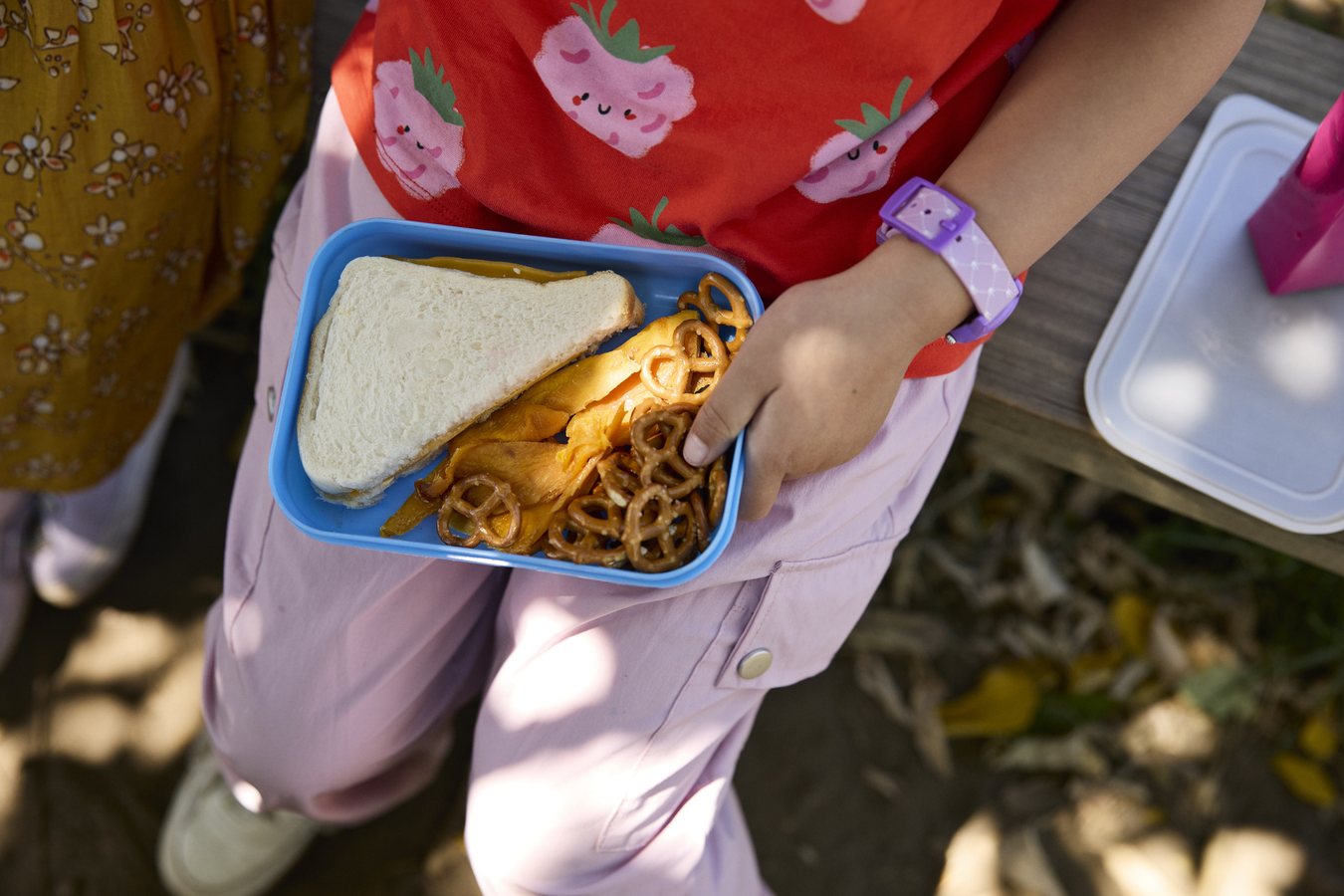
School cafeterias across the United States are a major source of food waste, with the average child throwing away about 39 pounds of uneaten food each year. That figure, roughly the weight of a typical 4-year-old, adds up to an estimated 530,000 tons of discarded sandwiches, fruit, and snacks annually. The problem is widespread, but experts say families can make a meaningful difference by changing how they pack lunches.
“If you eat food, you’re part of this whether you like it or not,” says Lauren Click, founder of the nonprofit Let’s Go Compost, which runs food-waste programs in more than 600 schools, libraries, and community centers. The good news, she adds, is that parents are also in a position to waste less, starting with a packed lunch, one of the few parts of the food system a family fully controls.
The first step is to observe what actually comes home. For a couple of weeks, parents should note which foods are untouched, which are partially eaten, and which never leave the wrapper. Patterns often emerge quickly. “If you pack based on what actually comes home, not what seems balanced on paper, you can track it each week and adjust over time,” says Lizzie Horvitz, founder and CEO of Finch, a platform that evaluates products for sustainability. Horvitz suggests that after a few weeks of attention, waste should drop significantly.
But seeing what comes home is only half the job. Parents also need to understand why food is being rejected, and guessing is rarely reliable. Click has heard countless stories of children suddenly refusing apples, only for parents to discover that a classmate declared apples uncool. “You can’t make assumptions, because you’ll never guess what’s going on in the mind of a 5-year-old,” she says. Instead, parents should ask their children about lunchtime: who they sit with, how much time they have to eat, and what their friends bring. The answer might be that an orange takes too long to peel, a container is hard to open, or a friend shares a sandwich every day.
Experts also advise against using lunch as a time to introduce new foods. School cafeterias are often loud, rushed, and chaotic, not ideal for tasting unfamiliar vegetables. “Maybe this isn’t the time to have a really balanced, try-new-things meal,” Horvitz says. “Let’s save that for meals at home.” Lunch should mostly consist of foods the child already likes, with experiments reserved for dinner when parents can encourage them.
Choosing the right containers matters too. Compartmentalized bento boxes are popular, but they may not match what a child actually eats. Lindsey Schoenfeld, a registered dietitian nutritionist and co-author of To Your Taste: How to Eat Well and Feel Better for Your Whole Life, suggests starting with the food and then selecting containers that fit it. She also recommends checking existing cabinets before buying new gear. “There’s so many containers that we have around the house,” she says. “Maybe they don’t have a lid right now. Maybe we need to dig through a few shelves.” Reusable containers only help if they are used repeatedly, so cleanup should be easy, with many silicone bags and containers being dishwasher-safe.
Portion size is another common issue. Oversized containers often lead to overpacking. Schoenfeld suggests a rough guide: for younger elementary students, about half a cup of fruit or one small piece of whole fruit, a quarter to half cup of vegetables, and one serving of grains, such as a slice of bread or a 6-inch tortilla. Middle-schoolers may need more, and high-schoolers might eat a full cup of produce and two servings of grains. But children are not measuring cups, and their appetites vary with growth and activity levels. If the same amount keeps coming back, parents should try sending less before concluding the child has rejected the food.
Finally, parents should find out what time lunch starts. Schools often stagger lunch periods by grade, and some children may be eating as early as 10:30 a.m., which can affect appetite. Knowing the schedule can help parents pack the right amount and type of food.
85