Memorandum
- From
- Delaney Sawyer
- Date
- Filed
- Society·5 min to read
- Re
How to Check a Vitruvias Bottle in the U.S. Thyroid Recall
ReHow to Check a Vitruvias Bottle in the U.S. Thyroid Recall
The Vitruvias recall affects one 30 mg thyroid-tablet lot. Patients should verify the NDC, lot number and expiration date before contacting their clinician or pharmacy.
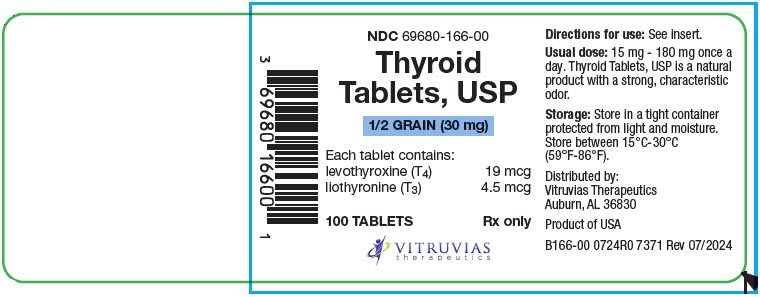
A new U.S. thyroid medication recall comes down to three identifiers on the bottle. Vitruvias Therapeutics is recalling Thyroid Tablets, USP 30 mg with NDC 69680-166-00, lot 504950 and an expiration date of September 30, 2026 because testing found the product may be superpotent.
Vitruvias announced the voluntary recall on August 21, and the U.S. Food and Drug Administration published it on August 24. The affected lot was distributed nationwide to the company’s direct accounts from January 31 through September 30, 2025. The company reported 3,655 units released and 1,955 sold.
For a patient, the practical first question is whether the bottle actually belongs to that lot. The recall is not a blanket withdrawal of every Vitruvias thyroid product or every strength. The 30 mg tablets are the affected strength, and lot 504950 is the identifying batch.
The second question is why the potency issue matters. Thyroid replacement medicine is designed to replace hormones that the body is not making in sufficient amounts. Vitruvias Thyroid Tablets are derived from porcine thyroid glands and contain two hormones: levothyroxine, or T4, and liothyronine, or T3. The 30 mg label lists 19 micrograms of levothyroxine and 4.5 micrograms of liothyronine in each tablet.
If a tablet delivers more hormone than intended, a patient being treated for an underactive thyroid can develop symptoms associated with an overactive thyroid. FDA’s recall notice lists weight loss, intolerance to heat, fatigue, nervousness, muscle weakness, high blood pressure, chest pain, rapid heart rate and abnormal heart rhythms.
Older adults, pregnant women and infants are specifically identified as higher-risk groups, particularly when excessive exposure continues over time. The reason is that the consequences of too much thyroid hormone can extend beyond temporary discomfort. In older patients, excess thyroid hormone is associated with cardiovascular harm. During pregnancy, overtreatment has been associated with premature delivery and low birth weight. In infants, excessive treatment may affect growth and development.
As of the recall announcement, Vitruvias said it had not received reports of adverse events known to be connected with this lot.
The third question is what to do if the identifiers match. FDA and Vitruvias advise patients not to stop the recalled medicine without first speaking with a healthcare provider. Thyroid replacement is often a long-term treatment, and abruptly interrupting it can create a different problem. A clinician can decide how the medication should be replaced and whether any follow-up testing is appropriate for the individual patient.
The broader regulatory context is also worth knowing. FDA says animal-derived thyroid medications, often described as desiccated thyroid extract, are not FDA approved. DailyMed lists Vitruvias Thyroid Tablets as a prescription product with the marketing status “unapproved drug other.” FDA has said the biological source of animal-derived thyroid products can create potency and quality challenges, and professional medical society guidelines recommend synthetic levothyroxine as the preferred treatment for hypothyroidism.
That does not mean every patient should switch medications on their own. Treatment choices depend on medical history, laboratory values, response to therapy and clinician judgment. For the current recall, the immediate task is narrower: confirm whether the bottle matches NDC 69680-166-00 and lot 504950.
Patients who experience symptoms or other problems that may be related to the medication should contact a healthcare professional. Adverse reactions or product-quality concerns can also be reported to FDA MedWatch. For someone with a matching bottle, the safest sequence is to verify the label, contact the prescriber or pharmacy and arrange a clinician-guided replacement rather than simply skipping the next dose.
67