Memorandum
- From
- Caroline Mercer via Fast Company
- Date
- Filed
- Society·4 min to read
- Re
Fitbit founders launch family health tracking system with new wearable
ReFitbit founders launch family health tracking system with new wearable
Fitbit cofounders James Park and Eric Friedman introduced Luffu, a health tracking platform with the Luffu Link bracelet, designed to centralize family health management, medication schedules, and emergency alerts.
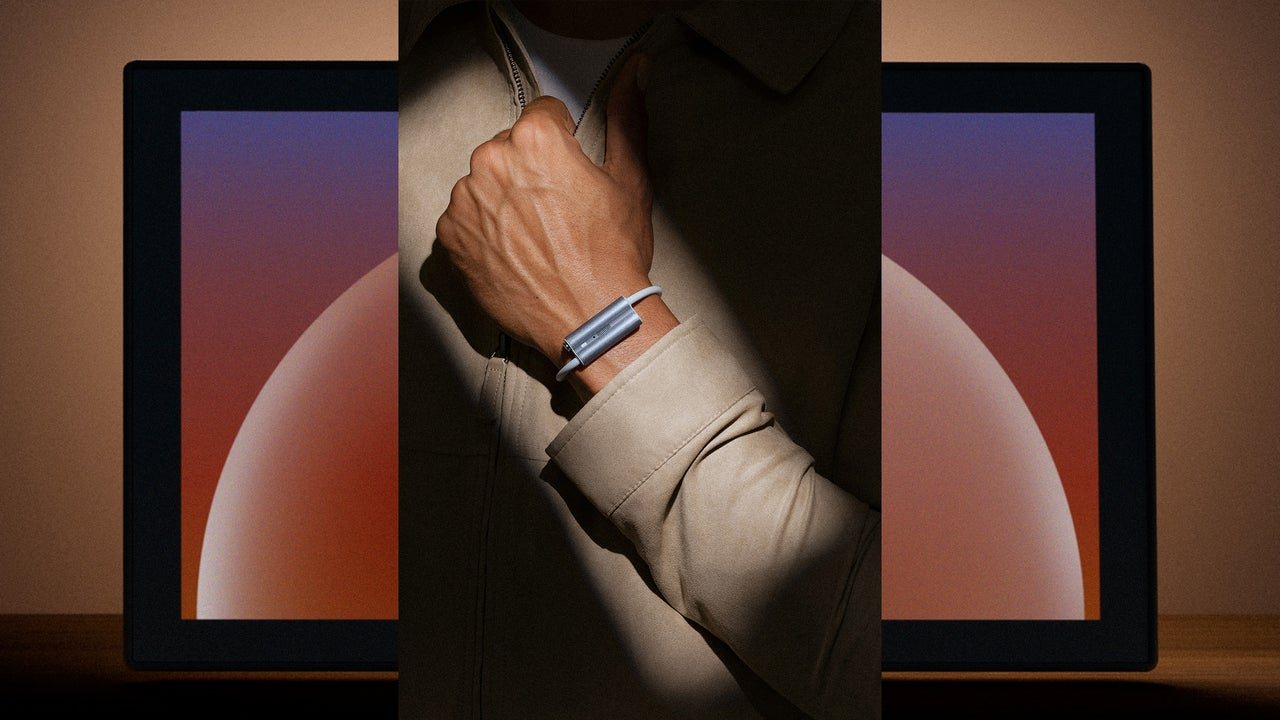
Fitbit cofounders James Park and Eric Friedman have unveiled their first hardware product since leaving the fitness tracker company: a family-focused health monitoring system called Luffu, anchored by a wearable bracelet designed to combine activity tracking, medication reminders, and emergency alerts in one device.
The Luffu Link, available for preorder at $249.99 and expected to ship in early 2027, merges the passive health sensing that made Fitbit famous with the emergency response functionality popularized by Life Alert pendants. The screenless bracelet tracks standard metrics such as activity, calories burned, sleep, resting heart rate, heart rate variability, and breathing rate, while also offering voice logging, GPS, and a dedicated emergency button.
Luffu itself is a centralized health management platform launched earlier this year, now in public beta testing. It pulls together data from medical providers, wearable monitors, medication schedules, appointment calendars, and self-logged details about meals and emotions. Artificial intelligence processes the information to identify patterns and generate proactive insights and alerts for each family member.
Park described the system as a command center for family health. It integrates health data, safety information, and coordination tasks, then highlights what is most urgent for the family to see and act on at any given moment. The concept grew out of the founders' own experiences managing the care of aging parents and relatives, some of whom lived in different cities or states. They found it increasingly difficult to juggle patient portals, medication schedules, appointments, dietary requirements, and routine check-ins.
There are not many great tools available for this kind of care coordination, Park said, describing existing options as piecemeal solutions. Luffu aims to consolidate that management into a single system with individual profiles for every member of a family, including children, adults, aging relatives, and even pets.
The Luffu Link extends the platform into the physical world. Users can press a button to voice-log observations, such as noting that a parent seemed agitated while taking medication, or to check off daily medications. The AI processes these notes and can take follow-up actions, such as setting a reminder to refill a prescription when a user reports having only two pills left.
Park emphasized the value of capturing observations in the moment, rather than requiring a caregiver to pull out a phone and open an app while busy. The system can also detect changes in physiological signals that users do not actively log, such as combinations of heart rate variability and activity levels that may indicate stress or imbalance. Over time, Luffu can share these ambient signals with family members.
Most information arrives through a daily briefing, such as a morning update on the health of every family member. More urgent alerts are reserved for genuinely critical situations, which Park acknowledged is one of the bigger design challenges. Most alerts will be gentle prompts, like checking in on Dad or renewing a prescription, while others could be emergency-related, either generated by the system or triggered when a user presses the button on the bracelet.
That emergency functionality, dating back to the Life Alert era, remains essential for situations where someone has fallen and cannot get up. The Luffu Link is designed to bridge that gap, combining the passive monitoring that made Fitbit a household name with the active safety net that families have relied on for decades.
174