Memorandum
- From
- Connor Quincy via Slate Magazine
- Date
- Filed
- Society·5 min to read
- Re
Families of Slain Civil Rights Workers Urge Supreme Court to Protect Voting Rights Act
ReFamilies of Slain Civil Rights Workers Urge Supreme Court to Protect Voting Rights Act
Relatives of Andrew Goodman and other freedom fighters killed during the 1960s struggle for voting rights are calling on the Supreme Court to uphold the Voting Rights Act in an upcoming case that could weaken key protections.
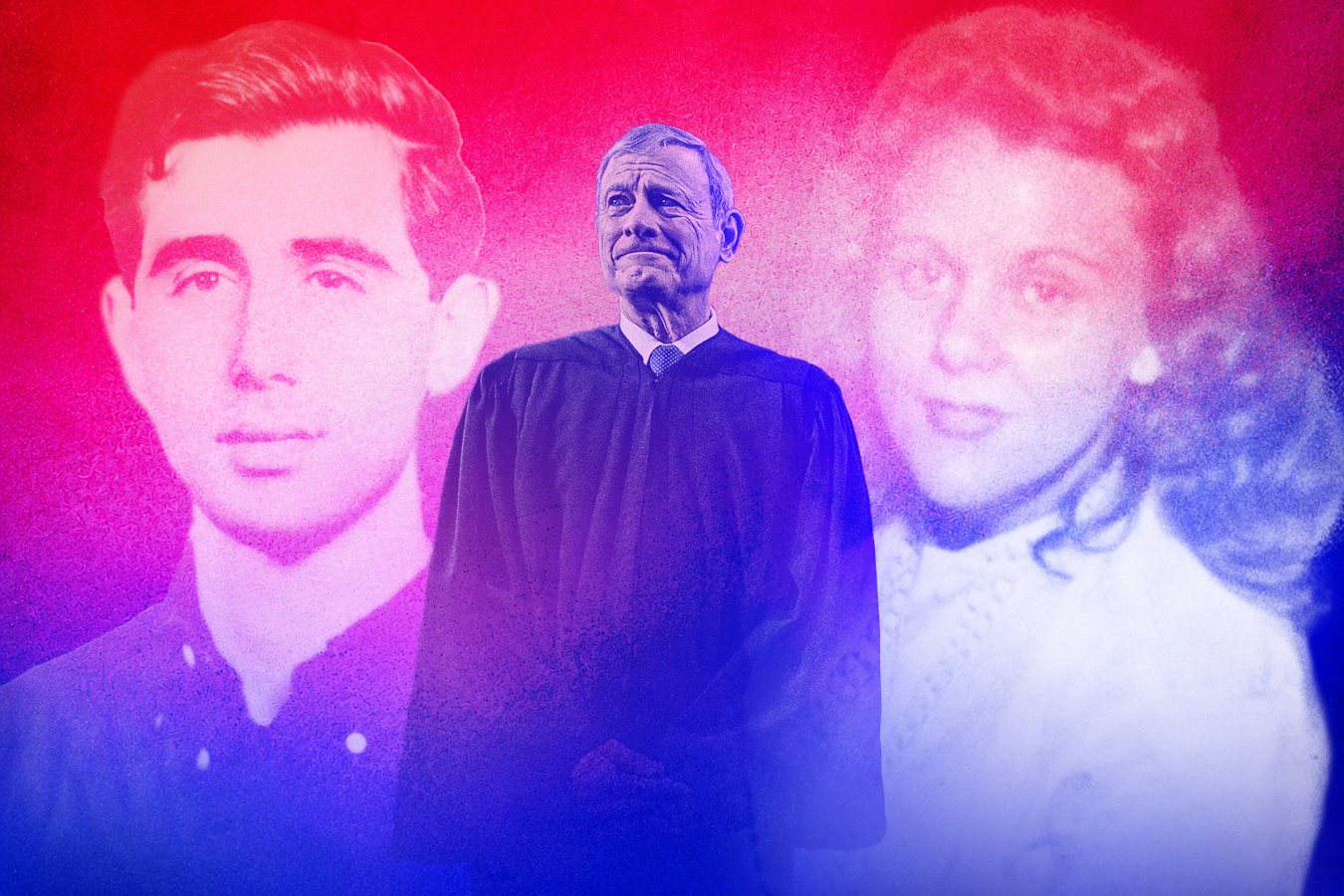
Families of civil rights workers who were murdered for their efforts to secure voting rights for Black Americans are warning the Supreme Court against weakening the Voting Rights Act. In a case that could reshape federal voting protections, relatives of Andrew Goodman, James Chaney, and Michael Schwerner — three activists killed in Mississippi in 1964 — have issued a direct appeal to the justices, urging them to preserve the law that their loved ones died to help create. The families are speaking out ahead of the Court’s consideration of Callais v.
Louisiana , a challenge that many voting rights advocates fear could gut Section 2 of the Voting Rights Act, which prohibits racial discrimination in voting. The statute has been under steady legal assault since the Court’s 2013 decision in Shelby County v. Holder , which struck down the preclearance formula that required jurisdictions with a history of discrimination to obtain federal approval before changing voting laws. Andrew Goodman was 20 years old when he, along with Chaney and Schwerner, was abducted and killed by Ku Klux Klan members near Philadelphia, Mississippi, during the Freedom Summer voter registration drive.
Their murders galvanized national support for the Voting Rights Act, which President Lyndon B. Johnson signed into law in August 1965. The law dismantled barriers such as literacy tests and poll taxes that had disenfranchised millions of Black voters across the South. Now, more than six decades later, the families say the promise of that law is at risk. “Our brother gave his life so that every American could vote without fear or obstruction,” David Goodman, the brother of Andrew Goodman, said in a statement.
“The Supreme Court must not allow that sacrifice to be undone.” The Goodman family and other relatives have submitted an amicus brief to the Court, detailing the historical context of the violence that preceded the Voting Rights Act and the ongoing need for robust federal oversight. The Callais case centers on Louisiana’s congressional map, which a lower court found to have diluted Black voting power by packing Black voters into a single district. The state has appealed, arguing that Section 2 of the Voting Rights Act unconstitutionally requires race-based redistricting.
If the Supreme Court sides with Louisiana, it could severely restrict the ability of minority voters to challenge discriminatory maps under Section 2, effectively weakening the central enforcement mechanism of the law. Civil rights groups have warned that such a ruling could open the door to a wave of voting restrictions across the country. Since 2021, at least 20 states have enacted laws that voting rights advocates say make it harder for minorities and low-income voters to cast ballots, including strict voter ID requirements, limits on mail voting, and reductions in early voting hours.
The Justice Department has also filed lawsuits challenging several of these laws as racially discriminatory. The families of the slain civil rights workers are not alone in their opposition. Former U.S. Attorney General Eric Holder, who now leads the National Democratic Redistricting Committee, has called the Callais case “the most serious threat to voting rights in a generation.”o Legal experts say that even if the Court does not strike down Section 2 outright, it could impose a narrow reading that makes it far more difficult for plaintiffs to prove discrimination. The justices are expected to hear oral arguments in the fall, with a decision likely in early 2027.
For the families of the Freedom Summer martyrs, the stakes are deeply personal. “When we see these attacks on the right to vote, we see the same hatred that killed our loved ones,” said Ben Chaney, brother of James Chaney. “The Court must not turn its back on history.” The call to protect the Voting Rights Act comes as the nation observes the 62nd anniversary of the March on Washington and the 59th anniversary of the Selma-to-Montgomery marches, events that also helped spur passage of the landmark law.
Activists are planning rallies outside the Supreme Court on the day of the oral arguments, and a coalition of more than 100 organizations has urged the justices to uphold the lower court’s ruling. At a time when public confidence in democratic institutions is under strain, the families’ message carries a moral weight that transcends politics. They remind the country, and the nine justices, that the Voting Rights Act was bought with blood — and that preserving it is not merely a legal question, but a testament to the enduring struggle for equality.
80